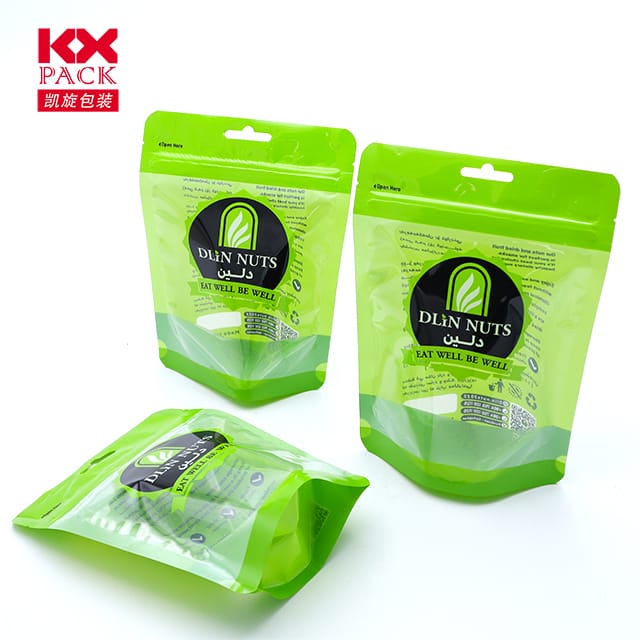
향 주머니 물 포장 필름: 안전한 식수 접근성의 이름없는 영웅
향 주머니 물 포장 필름
세계 여러 지역에서, 특히 깨끗한 식수에 대한 접근이 제한적인 지역에서는, 향 주머니 물 생명줄로 떠올랐다. 이 작은, 입수 가능한, 노점상이나 지역 시장에서 종종 판매되는 휴대용 물 주머니는 중요하면서도 과소평가되는 재료로 포장되어 있습니다.: 향 주머니 물 포장 필름. 과학을 풀겠습니다, 지속 가능성, 이 혁신적인 포장 솔루션의 사회적 영향.
1. 향 주머니 물 포장 필름이란 무엇입니까??
향 주머니 물 포장 필름 유연하다, 먹는 물의 순도와 안전성을 보존하도록 설계된 다층 소재. 일반적으로 구성:
- 폴리에틸렌 (체육): 내구성, 외부 껍질을 형성하는 방습층.
- 폴리에스테르 (애완 동물): 강도를 높이고 취급 중 펑크를 방지합니다..
- 알루미늄 또는 EVOH 배리어 레이어: 산소를 차단합니다, 빛, 그리고 오염 물질, 저장 수명 확장.
- 접착성 라미네이트: 레이어를 매끄럽게 결합합니다., 누출 방지 구조.
이 복합 필름은 소비될 때까지 물이 멸균 상태를 유지하도록 보장합니다., 열악한 환경 조건에서도.
2. 왜 향 주머니 물이 중요한가요?
개발도상국에서는, 향 주머니 물 포장 필름 (서아프리카와 같은 지역에서는 "순수한 물"이라고도 불립니다.) 중요한 격차를 해결합니다:
- 경제성: 한 봉지는 종종 1페니보다 저렴합니다., 저소득층이 깨끗한 물을 이용할 수 있도록.
- 이식성: 경량, 일회용 형식은 이동 중에도 소비하기에 이상적입니다., 깨끗하지 않은 용기로 인한 수인성 질병 위험 감소.
- 위생: 공장에서 봉인된 봉지는 끓이거나 화학적 처리가 필요하지 않습니다., 즉각적인 안전 제공.
세계보건기구에 따르면 (WHO), 봉지 물은 가나와 같은 지역에서 설사병을 줄이는 데 중추적인 역할을 했습니다., 나이지리아, 케냐.
3. 영화 뒤에 숨은 과학
그만큼 향 주머니 물 포장 필름의 디자인은 재료 공학의 마스터클래스입니다.:
- 장벽 속성: 알루미늄 또는 EVOH 층은 UV 광 분해 및 산소 유입을 방지합니다., 박테리아 성장을 촉진할 수 있는.
- 씰 무결성: 고급 열 밀봉 기술로 완벽한 밀봉 보장, 누출 및 오염 방지.
- 인쇄 성: 브랜드는 종종 로고를 인쇄합니다., 안전 인증, 만료 날짜를 필름에 직접 표시, 투명성과 신뢰도 제고.
제조업체는 엄격한 규제 표준을 준수해야 합니다. (예를 들어, FDA, EU 식품 등급 인증) 영화의 안전을 보장하기 위해.
4. 지속가능성 과제와 혁신
향 주머니 물은 부인할 수 없는 이점을 제공하지만, 일회용 특성으로 인해 환경 문제가 발생합니다.. 수백만 개의 봉지가 매립되거나 쓰레기로 버려집니다., 플라스틱 오염에 일조. 하지만, 산업이 발전하고 있다:
- 생분해 성 필름: 일부 회사에서는 PLA를 실험하고 있습니다. (폴리 락트산) 또는 기존 플라스틱보다 빠르게 분해되는 전분 기반 재료.
- 재활용 이니셔티브: 아크라, 라고스 같은 도시에서는, NGO와 정부는 필름을 포장 블록이나 가구와 같은 품목으로 재활용하기 위해 향 주머니 수집 프로그램을 홍보하고 있습니다..
- 리필 가능 모델: 몇몇 스타트업에서는 리필 스테이션이 있는 재사용 가능한 봉지를 테스트하고 있습니다., 편의성과 친환경성의 균형.
5. 향 주머니 물 포장의 미래
장기적인 지속가능성을 보장하기 위해, 업계는 세 가지 기둥의 균형을 맞춰야 합니다.:
- 소재 혁신: 저렴한 개발, 안전을 위협하지 않는 퇴비화 가능 필름.
- 소비자 교육: 적절한 폐기 및 재활용 습관 장려.
- 정책 지원: 정부는 친환경 포장을 장려하거나 재활용이 불가능한 봉지에 세금을 부과할 수 있습니다..
다음과 같은 기술수용성 필름 (물에 무해하게 용해되는) 또는식용 포장 (해초 추출물로 만든) 약속을 지키되 추가 R이 필요함&D 비용 및 내구성 요구 사항 충족.
결론: 작은 패키지, 큰 영향
향 주머니 물 포장 필름은 재료 과학이 공중 보건을 어떻게 변화시킬 수 있는지에 대한 증거입니다. 수백만 명이 깨끗한 물에 접근할 수 있도록 민주화했습니다., 그러나 환경에 미치는 영향에 대한 긴급한 관심이 필요합니다.. 혁신가와 정책 입안자가 협력하면서, 목표는 분명하다: 생태학적 피해를 최소화하면서 향 주머니 물의 생명을 구하는 이점을 보존합니다..
다음 번에 향 주머니 물을 파는 노점상을 보면, 기억하세요. 그 보잘것없는 주머니는 엔지니어링의 복잡한 교차점을 나타냅니다., 경제학, 환경 관리.
향 주머니 물 포장의 접근성과 지속 가능성의 균형에 대해 어떻게 생각하십니까?? 의견에서 논의합시다! 🌍💧