인쇄 영화의 예술과 과학: 디자인부터 내구성까지(4)
인쇄 필름
In the world of visual communication, 영화는 창의성과 기능성 사이의 다재다능한 다리 역할을 합니다.. 당신이 그래픽 디자이너이건 간에, 포장 제조업체, 아니면 텍스타일 프린터나, 인쇄 필름의 역할과 잠재력을 이해하면 프로젝트를 평범한 것에서 특별한 것으로 끌어올릴 수 있습니다.. 인쇄 필름의 세계, 즉 종류에 대해 알아봅시다., 응용 프로그램, 이익, and how it’s transforming industries.
인쇄 필름이란??
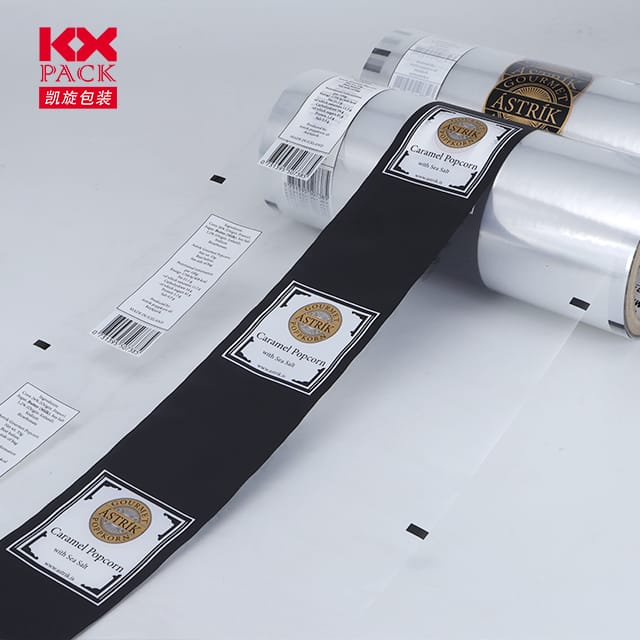
Priting film, 종종 “transfer film” 또는 “print media film,” 얇다, flexible substrate used to transfer images, 디자인, or text onto various surfaces. Unlike traditional paper, printing film is engineered to withstand heat, 화학, or physical wear, making it ideal for applications requiring durability and precision.
Types of Printing Film
- Heat Transfer Film: Used in textile printing (예를 들어, custom T-shirts, sportswear) and hard-surface applications (예를 들어, mugs, phone cases). Heat presses melt the film’s adhesive layer, bonding the design to the substrate.
- Water-Slide Decal Film: Ideal for ceramics, 유리, or metal. The design is printed onto the film, soaked in water, and then slid onto the surface for a seamless finish.
- Laser/Inkjet Printable Film: Compatible with standard printers, these films allow direct printing of designs for signage, 스티커, or overlays.
- Reflective Film: Enhances visibility for safety signs, 차량 랩, or outdoor advertising.
- Protective Overlay Film: Adds a scratch-resistant or UV-protective layer to printed materials.
산업 전반에 걸친 응용
- 직물 & 의복: Heat transfer films enable vibrant, full-color designs on fabrics without cracking or fading.
- 포장: Labels and stickers made from printing film resist moisture, 화학, 그리고 마모.
- 자동차 & 전자제품: Reflective films or protective overlays ensure durability in high-wear environments.
- Promotional Products: Custom mugs, keychains, or phone cases use water-slide or heat transfer films for branded merchandise.
- Architectural Signage: Laser-printable films create long-lasting outdoor displays.
Advantages of Printing Film
- 내구성: 퇴색 방지, 긁는 것, 그리고 환경파괴.
- 다재: Works on curved, uneven, 또는 질감이 있는 표면 (예를 들어, 유리, 금속, 직물).
- 비용 효율성: Reduces waste compared to traditional priting methods, especially for small batches.
- 맞춤화: Enables intricate designs, gradients, and photographic-quality prints.
- Quick Turnaround: Direct-to-film printing speeds up production for time-sensitive projects.
How to Choose the Right Printing Film
- Surface Compatibility: Ensure the film adheres to your material (예를 들어, 구조, ceramic, 플라스틱).
- Printing Method: Match the film type to your printer (원자 램프, inkjet, solvent) or heat press.
- Environmental Conditions: Opt for UV-resistant or waterproof films for outdoor use.
- 마치다: 광택, 매트, or textured finishes alter the aesthetic and functionality.
Emerging Trends in Printing Film
- 친환경 옵션: Biodegradable or recyclable films cater to sustainable brands.
- 스마트 영화: Temperature-sensitive or interactive films add functionality to packaging or displays.
- 3D Printing Films: Specialized films enable raised textures or embossed effects for tactile marketing.
DIY Tips for Using Prining Film
- Test First: Always trial a sample on your target surface to check adhesion and color accuracy.
- Layering: Combine multiple films (예를 들어, reflective base + color overlay) for unique effects.
- Post-Processing: Seal heat-transferred designs with a clear protective film for extra longevity.
결론: Printing Film—Where Creativity Meets Function
From personalized apparel to high-visibility safety signs, printing film is redefining how we bring designs to life. Its adaptability, 내구성, and eco-conscious innovations make it a must-have tool for modern creators. 취미로 하시는 분이든 전문가이시든, exploring priting film opens doors to endless possibilities.
Ready to experiment? Share your favorite printig film projects or ask questions in the comments—we’d love to hear how you’re using this dynamic material! 🎨🖨️
What’s your next printig film idea? Let’s spark some creativity!