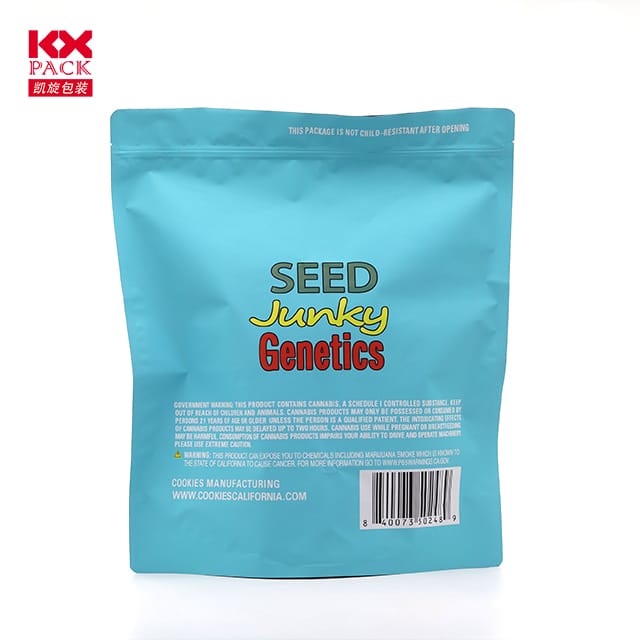
플라스틱 포장 필름의 진화와 영향: 기능 및 지속 가능성의 균형
플라스틱 포장 필름
오늘날의 빠르게 진행되는 소비자 환경에서, 플라스틱 포장 필름 have become ubiquitous, 신선한 농산물부터 전자제품까지 모든 것을 조용히 보호합니다.. 이러한 다재다능한 재료, 가벼운 내구성으로 유명한, 내습성, 비용 효율성, 제품이 소비자에게 도달하는 방식에 혁명을 일으켰습니다.. 아직, 그들의 환경 발자국은 열띤 논쟁을 불러일으켰습니다. Let’s unpack the world of plastic packaging films—exploring their benefits, 도전, and the innovative strides toward a greener future.
1. The Workhorses of Modern Packaging
Plastic packaging films, 폴리에틸렌 포함 (체육), 폴리 프로필렌 (PP), 그리고 폴리 에스테르 (애완 동물), are engineered to meet diverse needs.
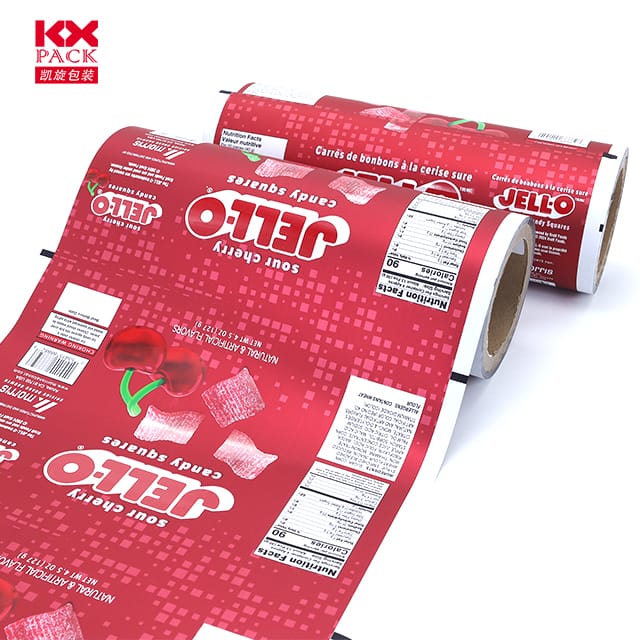
- 식품 보존: 같은 영화 BOPP (이축 방향 폴리 프로필렌) are staples in snack packaging, offering transparency, 수분 장벽, 인쇄 성. 예를 들어, potato chip bags rely on multi-layered films to maintain crispness and shelf life.
- Agricultural Applications: LDPE (저밀도 폴리에틸렌) films shield crops from pests and weather, extending growing seasons and reducing food waste before harvest.
- Industrial and Medical Uses: Stretch films secure pallets during transit, while sterilized medical-grade films protect surgical instruments.
Their adaptability across industries underscores their indispensability—but at what cost?
2. 환경 역설
While plastic films excel in performance, their drawbacks are hard to ignore:
- 일회용 폐기물: A staggering 36% of all plastic produced globally is used in packaging, 한 번 사용한 후 대부분이 폐기됨. Films like cling wrap or shopping bags often end up in landfills or oceans, taking centuries to decompose.
- 재활용 장애물: Many films are challenging to recycle due to contamination, multi-layer compositions, or lack of infrastructure. 예를 들어, composite films used in coffee packaging (예를 들어, foil-lined pouches) are rarely accepted in curbside programs.
- 미세한 오염: Degraded films fragment into microplastics, infiltrating ecosystems and even human food chains.
3. 지속 가능성을 주도하는 혁신
The packaging industry is racing to address these challenges with cutting-edge solutions:
- 생분해 성 및 퇴비 필름: 회사가 좋아합니다 바디 녀석 그리고 노바몬트 are pioneering compostable films made from plant-based materials (예를 들어, corn starch or algae). These break down in industrial composting facilities within weeks, 전통적인 플라스틱에 대한 실행 가능한 대안을 제공합니다.
- Recyclable Mono-Material Films: Brands are shifting to single-polymer films (예를 들어, 100% PE or PP) 재활용성을 향상시키기 위해. 예를 들어, ProAmpac'에스 ProActive Recyclable films are designed for easy sorting and reprocessing.
- Chemical Recycling Breakthroughs: Advanced recycling technologies, such as pyrolysis, convert mixed plastic waste into fuels or raw materials for new films, closing the loop on circularity.
- Barrier Coatings from Nature: Innovators are using 키토산 (from crustacean shells) 또는 셀룰로오스 나노 섬유 to create biodegradable barriers, reducing reliance on fossil-fuel-based chemicals.
4. Consumer and Corporate Responsibility
The transition to sustainable packaging isn’t just a manufacturer’s job—consumers and policymakers play pivotal roles:
- Educating Shoppers: Clear labeling (예를 들어, “Home Compostable” vs. “Recyclable”) and awareness campaigns can reduce contamination in recycling streams.
- 기업의 약속: Giants like 유니레버 그리고 기분 좋게 눕다 have pledged to slash virgin plastic use and invest in recyclable/compostable packaging by 2025.
- Policy Levers: 생산자의 책임 확대 (EPR) laws in the EU and U.S. hold brands accountable for waste, incentivizing eco-design.
5. 앞으로 도로: 하이브리드 접근 방식
While no single solution will solve the plastic crisis, a hybrid approach shows promise:
- 재사용 가능한 시스템: Refill stations and returnable packaging (예를 들어, Loop’s durable containers) minimize single-use waste.
- 스마트 영화: Temperature-sensitive or RFID-tagged films could optimize supply chains, reducing over-packaging.
- Global Collaboration: Cross-industry partnerships (예를 들어, 그만큼 Ellen MacArthur Foundation의 새로운 플라스틱 경제) are accelerating innovation and standardization.
결론: Rethinking the Role of Plastic Films
Plastic packaging films are here to stay—but their future must be redefined. By prioritizing재활용 가능성, compostability, and reduced material use, the industry can curb its environmental impact without sacrificing functionality.
소비자로서, we hold power too: Choose brands committed to sustainability, recycle diligently, and advocate for systemic change. 결국, the films that wrap our daily lives should protect both our products and our planet.
플라스틱 포장 필름에 대해 어떻게 생각하시나요?? Share your thoughts or tips for sustainable swaps below! 🌍🛍️♻️
키워드: 플라스틱 포장 필름, 지속 가능성, 생분해성 포장, 재활용, 순환경제, 식품 포장, 환경에 미치는 영향.