현대 상거래에서 플라스틱 필름 포장의 중요성과 영향(2)
플라스틱 필름
분주한 현대 상업 세계에서, 포장은 보호에 중추적인 역할을 합니다., 발표, 제품을 홍보하고. 다양한 종류의 포장재 중에서, 플라스틱 필름 포장은 다용도로 돋보입니다., 내구성, 비용 효율성. 이 블로그 게시물에서는 플라스틱 필름 포장의 중요성에 대해 자세히 설명합니다., 그것의 다양한 응용, 환경 문제, 미래를 형성하는 혁신적인 트렌드.
플라스틱 필름 포장은 다양한 형태로 제공됩니다., 폴리에틸렌 포함 (체육), 폴리 프로필렌 (PP), 폴리 비닐 클로라이드 (PVC), 그리고 폴리 에스테르 (애완 동물). 이러한 재료는 다양한 요구 사항을 충족하는 다양한 특성을 제공합니다.. 예를 들어, PE 필름은 유연성과 내습성으로 잘 알려져 있습니다., 식품 포장에 이상적입니다.. 반면에, PET 필름은 투명도가 높고 찢어짐에 강합니다., 화장품 및 전자제품 포장에 적합합니다..
플라스틱 필름 포장의 주요 기능은 운송 및 보관 중 제품이 손상되지 않도록 보호하는 것입니다.. 습기를 차단하는 역할을 합니다, 산소, 그리고 오염 물질, 부패하기 쉬운 상품의 유통기한을 연장합니다.. 추가적으로, 쿠셔닝과 충격 흡수 기능을 제공합니다., 파손 및 찌그러짐 방지.
프레젠테이션 및 브랜딩
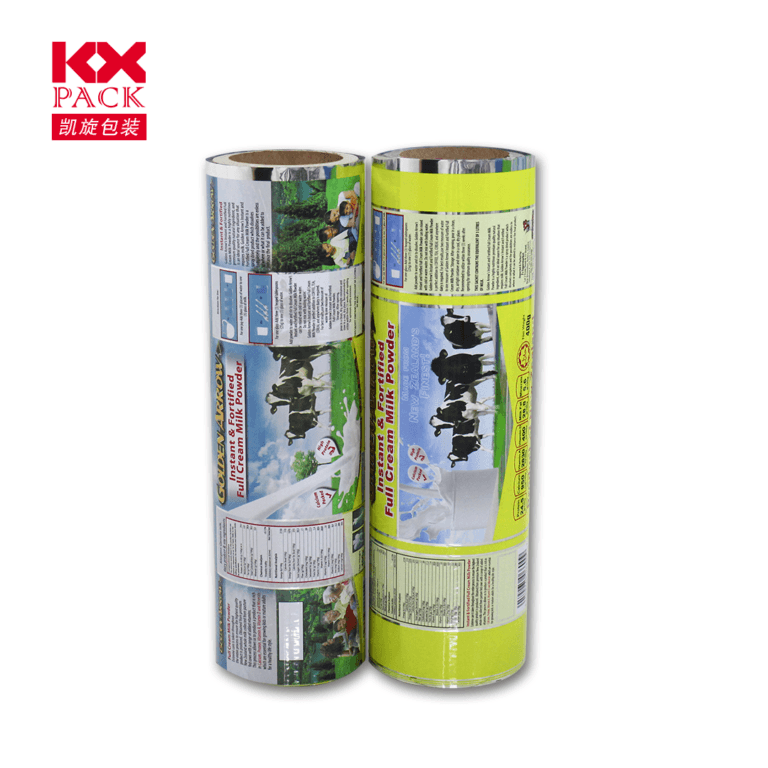
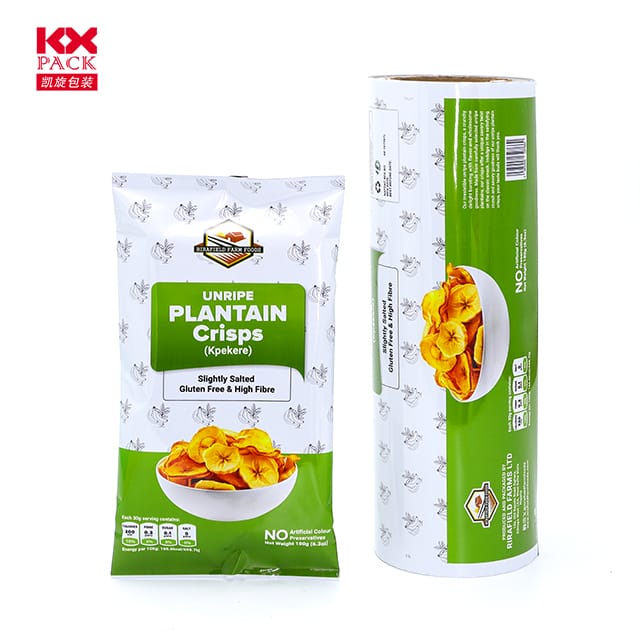
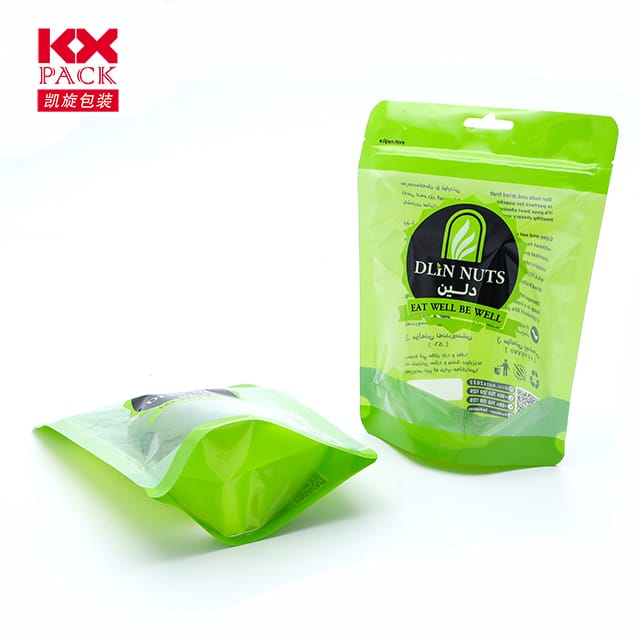
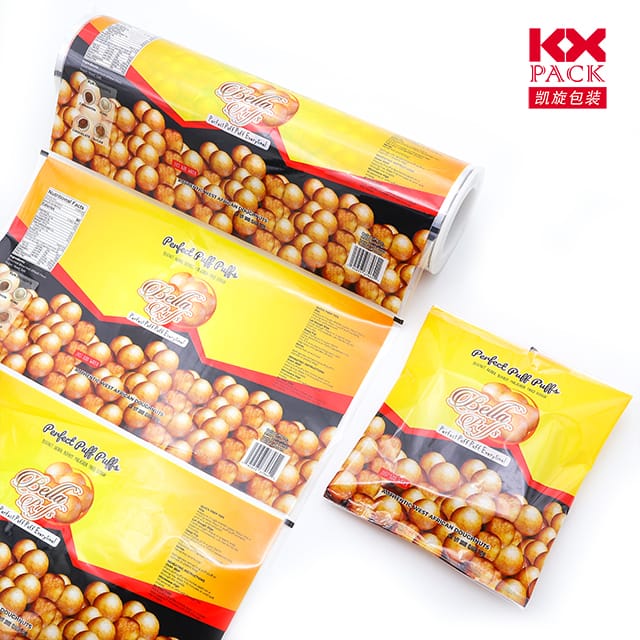
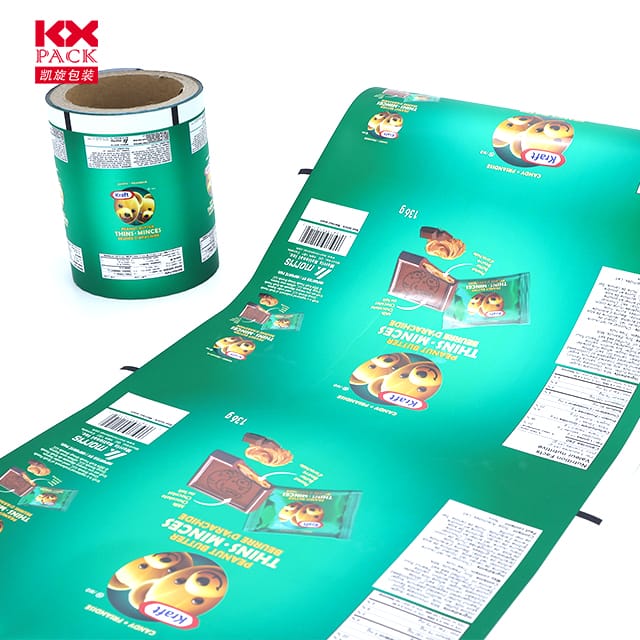
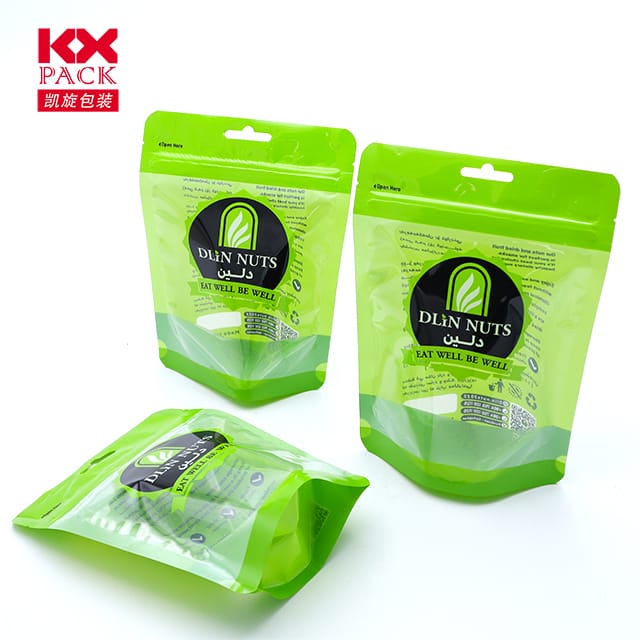
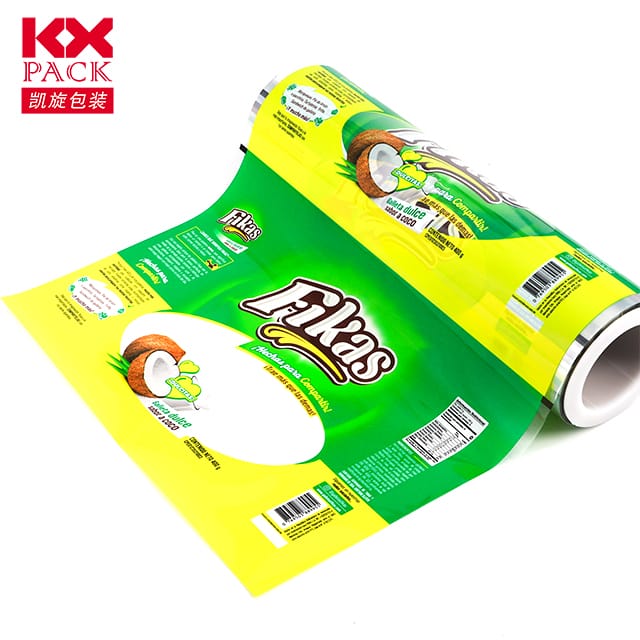
보호를 넘어, 플라스틱 필름 포장은 소비자에게 제품을 소개하는 데 중요한 역할을 합니다.. 인쇄기술의 발달로, 이제 플라스틱 필름에 고해상도 그래픽을 인쇄할 수 있습니다., 생생한 색상, 그리고 자세한 정보. 이를 통해 제조업체는 브랜드 아이덴티티를 보여줄 수 있습니다., 제품 특징을 강조하다, 성분 등 소비자에게 꼭 필요한 정보를 제공합니다., 사용 지침, 재활용 기호.
효과적인 포장 디자인은 구매 결정에 큰 영향을 미칠 수 있습니다.. 매력적인 포장으로 소비자를 사로잡다’ 주목, 제품의 가치를 전달하다, 브랜드 충성도를 구축하고. 플라스틱 필름 포장, 맞춤형 성격을 지닌, 혼잡한 시장에서 제품을 차별화할 수 있는 강력한 도구를 제조업체에 제공합니다..
환경 문제
많은 장점에도 불구하고, 플라스틱 필름 포장은 환경 문제로 인해 정밀 조사를 받고 있습니다.. 단일 사용 플라스틱, 특히, 플라스틱 오염에 기여하고 해양 생물에 위협이 됩니다.. 문제는 플라스틱 포장의 편리성과 효율성과 지속 가능한 관행의 필요성 사이의 균형을 맞추는 것입니다..
제조업체는 생분해성 및 퇴비화 가능한 플라스틱 필름과 같은 친환경 대안을 점점 더 많이 채택하고 있습니다.. 이 물질은 특정 조건에서 자연 분해됩니다., 포장 폐기물의 환경 발자국 감소. 추가적으로, 재활용이 용이한 소재를 사용하고, 분리가 용이한 포장재를 디자인하여 재활용률을 높이기 위해 노력하고 있습니다..
혁신적인 트렌드
플라스틱 필름 포장의 미래는 지속 가능성에 초점을 맞춘 혁신적인 트렌드에 의해 형성됩니다., 스마트 포장, 향상된 기능. 스마트 패키징, 예를 들어, 온도와 같은 제품 상태를 모니터링하는 센서 및 표시기가 통합되어 있습니다., 선도, 그리고 변조. 이 기술은 제품의 안전성을 보장하고 소비자의 신뢰를 향상시킵니다..
향상된 기능은 또 다른 혁신 영역입니다.. 자가 치유 능력과 같은 새로운 특성을 지닌 플라스틱 필름이 개발되고 있습니다., 항균 처리, 제품 유통기한을 연장하기 위해 방부제나 항산화제를 방출하는 활성 포장 시스템.
결론
결론적으로, 플라스틱 필름 포장은 현대 상거래에 없어서는 안될 구성 요소입니다.. 다목적 성, 내구성, 비용 효율성이 뛰어나 보호를 위한 이상적인 선택입니다., 발표, 제품을 홍보하고. 하지만, 플라스틱 포장이 환경에 미치는 영향은 무시할 수 없습니다. 소비자가 지속 가능성 문제에 대해 더 많이 인식함에 따라, 제조업체는 혁신과 환경적 책임의 균형을 맞추기 위해 노력해야 합니다.. 친환경 소재와 관행을 채택함으로써, 포장 산업은 더욱 지속 가능한 미래에 기여하면서 계속해서 성장할 수 있습니다..