식품 포장에 사용되는 플라스틱 필름의 양날의 검: 편의 vs. 지속 가능성
플라스틱 필름
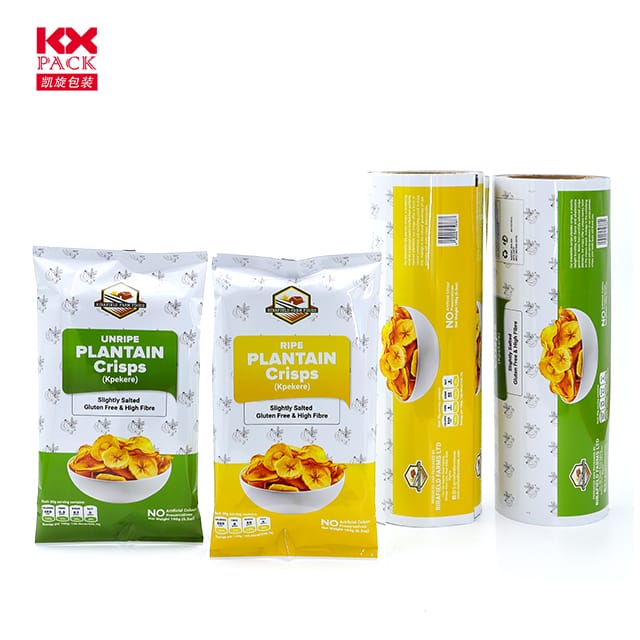
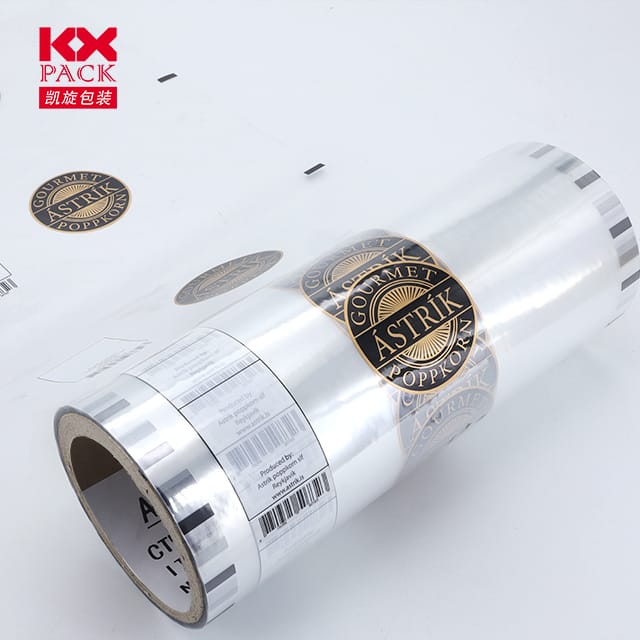
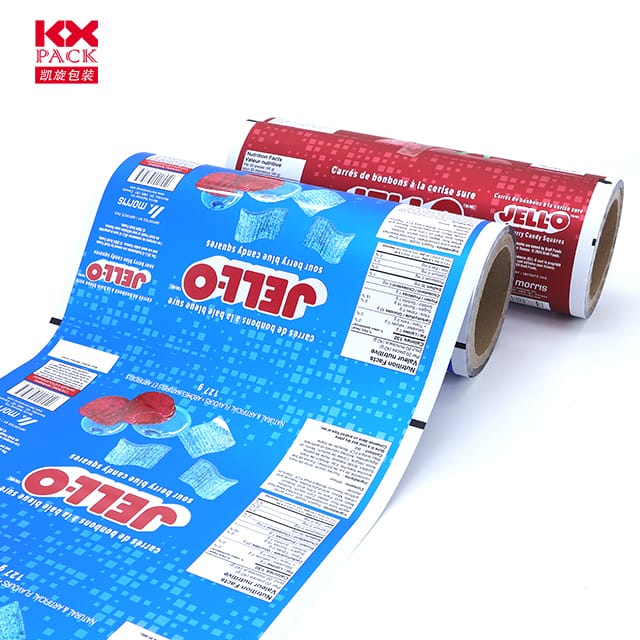
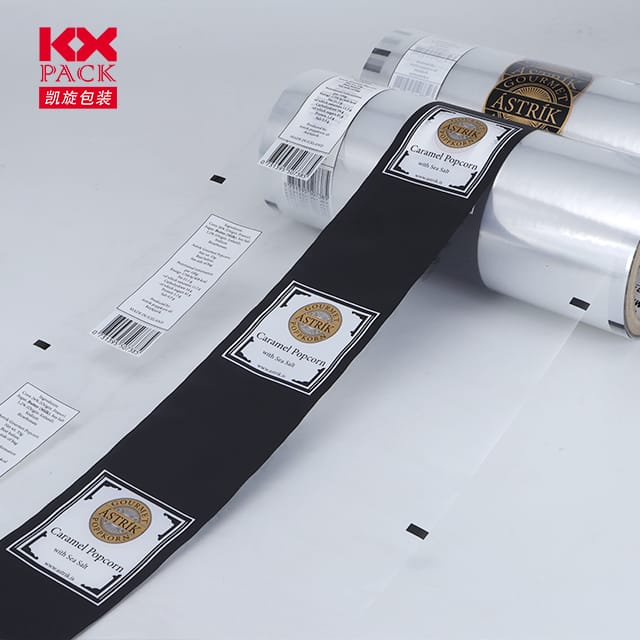
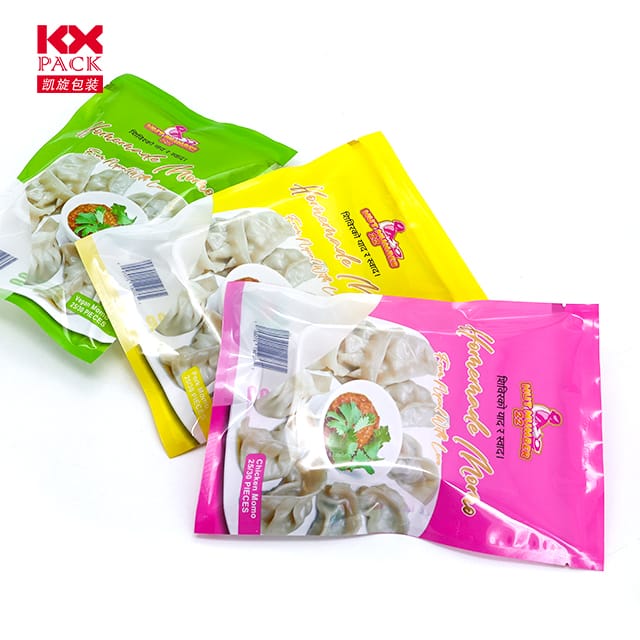
현대식 주방과 슈퍼마켓에서, 식품용 플라스틱 필름—일반적으로 클링 랩으로 알려져 있음, 제안 랩, 또는 식품 포장이 필수품이 되었습니다.. 투명합니다, 신축성, 밀폐성이 있어 신선도를 유지하는 데 이상적입니다., 유출 방지, 그리고 남은 음식 포장하기. 아직, 환경 문제로 인해 마운트, 이 유비쿼터스 주방 도구는 정밀 조사에 직면해 있습니다.. 장점을 살펴보자, 단점, 식품 저장용 플라스틱 필름을 대체하는 친환경적 대안.
1. 플라스틱 필름이 식품 포장을 지배하는 이유
- 보존력: 플라스틱 필름으로 완벽한 밀봉이 가능합니다., 산화 및 박테리아 성장 둔화. 이렇게 하면 농산물의 유통기한이 연장됩니다., 고기, 며칠, 심지어 몇 주 단위로 식사를 준비했습니다..
- 다재: 샌드위치 포장부터 그릇 덮기까지, 유연성을 통해 어떤 모양에도 맞출 수 있습니다..
- 비용 효율성: 단일 롤 비용은 단 몇 달러에 불과하며 몇 달 동안 지속될 수 있습니다., 가정과 레스토랑을 위한 예산 친화적인 선택이 됩니다..
- 위생: 투명하고 일회용, 철저하게 청소할 수 없는 재사용 용기에 비해 교차 오염 위험이 줄어듭니다..
2. 플라스틱 필름의 환경 피해
그 편리함에도 불구하고, 플라스틱 필름은 심각한 환경 문제를 야기합니다:
- 비 생분해 불가: 대부분의 플라스틱 필름은 폴리에틸렌으로 만들어집니다. (체육), 석유를 기반으로 한 물질로 500+ 연령 분해합니다.
- 미세한 오염: 부적절하게 폐기한 경우, 미세플라스틱으로 분해되어 토양에 침투합니다., 수로, 인간의 먹이사슬까지도.
- 재활용 장벽: 많은 도로변 재활용 프로그램에서는 오염 위험으로 인해 플라스틱 필름을 허용하지 않습니다.. 오직 4% 미국의. 플라스틱 랩은 매년 재활용됩니다 (EPA, 2021).
- 일회용 문화: 일반 가정에서 사용하는 1,500 매년 비닐봉지/랩, 대부분은 매립지나 바다로 보내진다.
3. 플라스틱 필름의 친환경 대안
좋은 소식? 지속 가능한 스왑을 쉽게 이용할 수 있습니다.:
ㅏ. 밀랍 랩
- 재료: 밀랍으로 코팅된 면직물, 호호바 오일, 그리고 나무 수지.
- 이익: 최대 1년 동안 재사용 가능, 퇴비화 가능한, 그리고 천연 항균.
- 최고의 대상: 치즈를 감싸는 것, 샌드위치, 아니면 그릇을 덮거나.
- 약점: 비건 친화적이지 않으며 열 근처에서 녹습니다..
비. 실리콘 식품 커버
- 재료: 식품 등급 실리콘 (합성 고무).
- 이익: 식기세척기 사용 가능, 수년간 재사용 가능, 그리고 내열성 (수비드 요리에 딱 좋아요).
- 최고의 대상: 그릇 위로 스트레칭, 팬, 또는 반 자른 농산물.
- 약점: 더 비싼 선불 (10세트당 –20).
씨. 재사용 가능한 패브릭 커버
- 재료: 방수 안감이 있는 면 또는 리넨 (예를 들어, PUL 공장).
- 이익: 세탁기로 세탁 가능, 크기 맞춤 가능, 농산물에 대한 통기성.
- 최고의 대상: 빵 보관, 허브, 또는 반죽을 부풀 때 덮거나.
디. 유리 또는 스테인레스 스틸 용기
- 이익: 기밀, 누출 방지, 그리고 무한히 재활용 가능.
- 최고의 대상: 식사 준비, 나머지, 그리고 냉동고 보관.
4. 오늘날 플라스틱 필름 폐기물을 줄이는 방법
아직 플라스틱 필름을 완전히 버릴 준비가 되지 않았더라도, 작은 변화가 변화를 만들 수 있다:
- 재사용: 플라스틱 랩을 가볍게 세척하고 건조하여 2~3회 재사용 가능.
- 재활용 권리: 플라스틱 필름을 허용하는 반납 장소는 지역 프로그램을 확인하세요. (예를 들어, 식료품점 쓰레기통).
- 대량 구매: 미리 포장된 농산물을 피하세요; 재사용 가능한 메쉬백을 매장에 가져오세요.
- DIY 대안: 젖은 종이 타월을 사용하여 채소를 신선하게 유지하거나 남은 음식을 병에 보관하세요..
5. 식품 포장의 미래
편의성과 지속가능성을 연결하는 혁신이 등장하고 있습니다.:
- 식용 영화: 전분이나 해초로 만들어짐, 이 랩은 먹거나 퇴비로 만들 수 있습니다..
- 식물 기반 플라스틱: 옥수수나 사탕수수에서 추출한 생분해성 필름이 시장에 진출하고 있습니다..
- 스마트 패키징: 필름에 내장된 센서로 식품 부패 감지 가능, 폐기물 감소.
최종 생각: 균형이 핵심이다
식품 안전 및 보존에 있어 플라스틱 필름의 역할은 부인할 수 없습니다., 하지만 환경에 미치는 영향에는 조치가 필요합니다. 가능한 경우 재사용 가능한 대안을 선택하고 플라스틱을 책임감 있게 폐기함으로써, 우리는 식사와 지구를 모두 보호할 수 있습니다.
당신이 선호하는 플라스틱 필름 대안은 무엇입니까?? 아래 댓글로 팁을 공유하세요. 서로 영감을 주어 지속 가능한 교환을 하도록 하세요.! 🌍🥪
출처: EPA, 내셔널 지오그래픽, Treehugger와 같은 지속 가능성 블로그.