플라스틱 필름 포장에 대한 필수 가이드: 유형, 이익, 및 지속 가능한 솔루션
포장 플라스틱 필름
From protecting fresh produce to securing industrial goods, 포장 플라스틱 필름 is a cornerstone of modern logistics and retail. 다목적 성, 비용 효율성, 적응성 덕분에 산업 전반에 걸쳐 필수 불가결한 요소가 되었지만 환경에 대한 우려가 커지고 있습니다., 기업이 기능성과 지속 가능성의 균형을 맞추는 방법? 플라스틱 포장 필름의 세계를 탐험해 보세요, 그들의 응용, 그리고 친환경 혁신.
What Is Packaging Plastic Film?
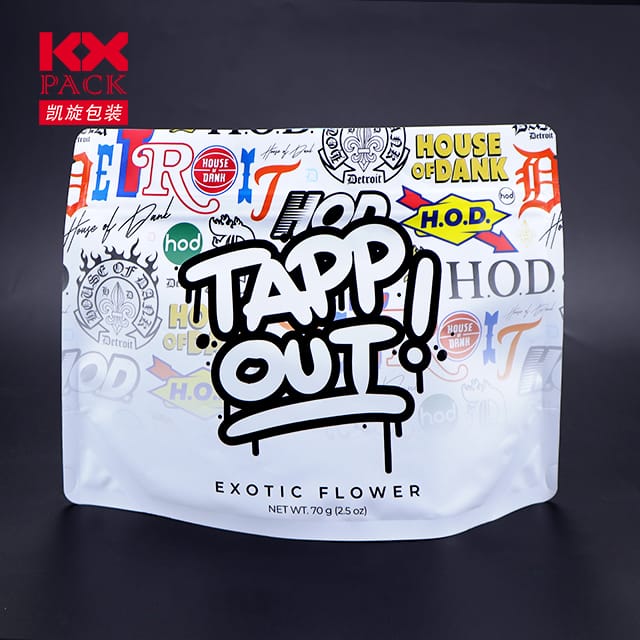
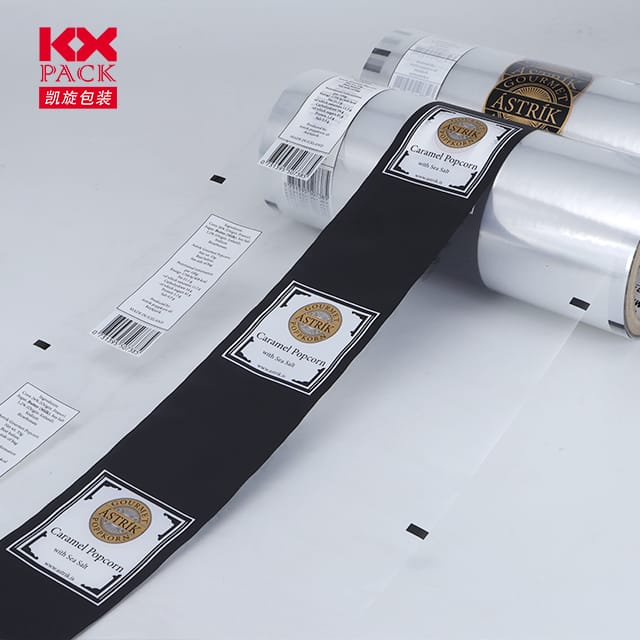
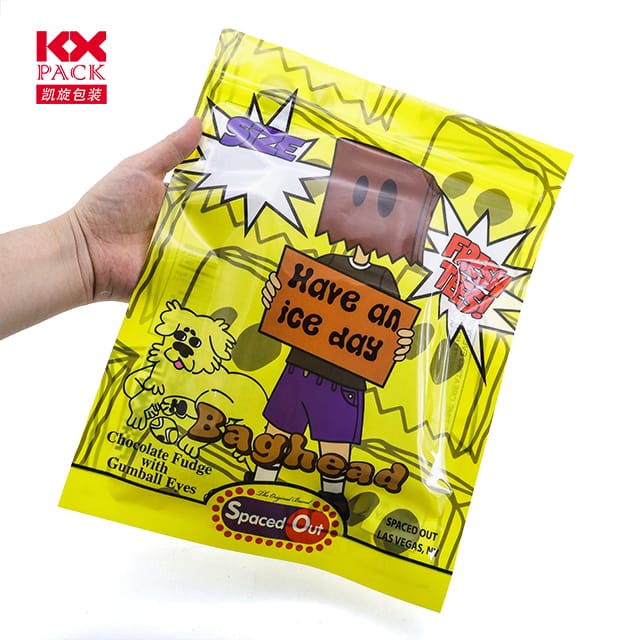
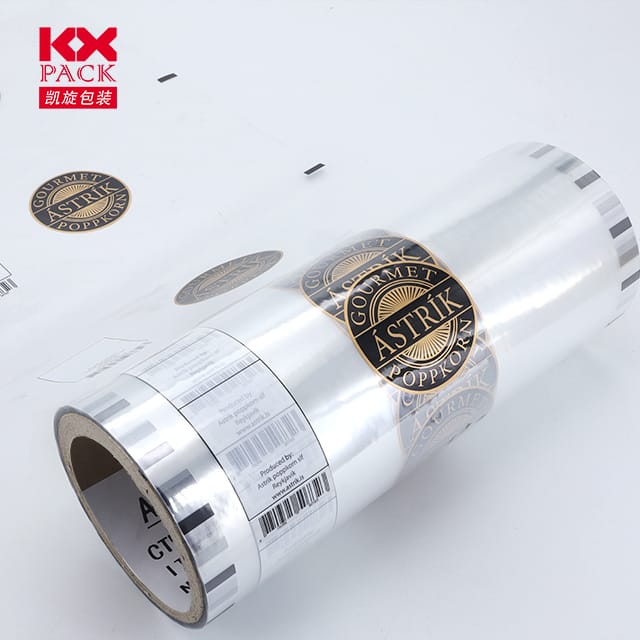
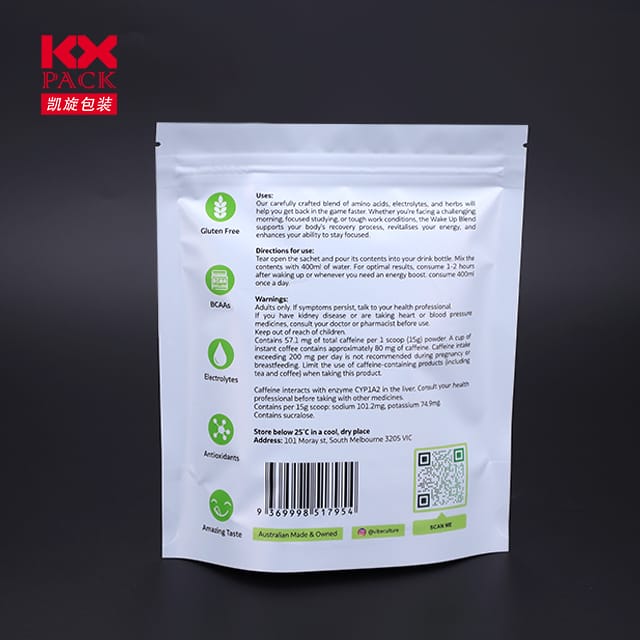
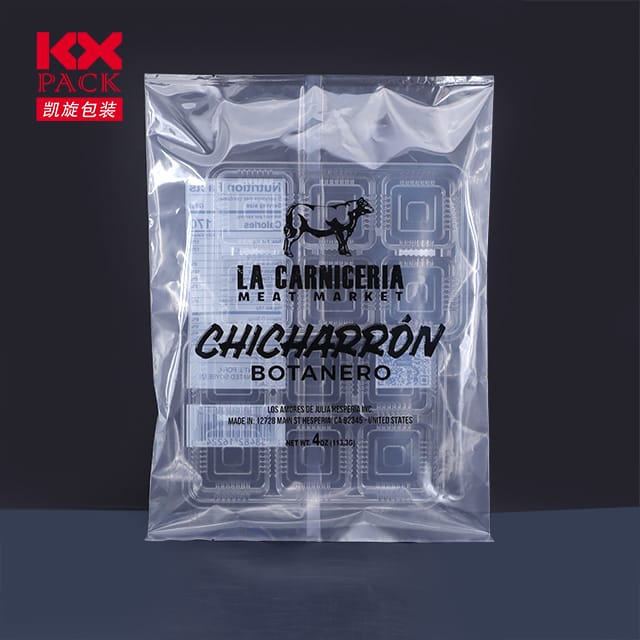
Packaging plastic film refers to thin, flexible sheets made from polymers like폴리에틸렌 (체육), 폴리 프로필렌 (PP), 폴리 비닐 클로라이드 (PVC), 또는 폴리에스터 (애완 동물). These films are engineered to shield products from moisture, 먼지, tampering, and physical damage during storage, 해운, and display. Available in rolls, sheets, or pre-formed bags, they come in varying thicknesses (미크론 단위로 측정됨) to suit different needs.
Common Types of Packaging Plastic Films
- 폴리에틸렌 (체육) 영화
- LDPE (Low-Density PE): Soft and stretchy, ideal for food wrap, pallet shrink wrap, 그리고 농업 뿌리 덮개.
- HDPE (High-Density PE): Rigid and tear-resistant, used for grocery bags, trash liners, 산업용 라이너.
- 폴리프로필렌 (PP) 영화
- Offers excellent clarity and heat resistance, making it perfect for snack packaging, laminated pouches, 및 의료용품.
- 폴리염화비닐 (PVC) 영화
- Durable and transparent, commonly used for blister packaging, 문방구, and construction films.
- 폴리에스테르 (애완 동물) 영화
- High-strength and chemical-resistant, favored for flexible packaging, 라벨, 그리고 전기 절연.
- 생분해 성 필름
- 식물성 폴리머로 제작 (예를 들어, PLA, 파), 이 필름은 특정 조건에서 자연적으로 분해됩니다., 플라스틱 쓰레기 줄이기.
Key Applications of Packaging Plastic Film
- 식품산업
- 신선한 농산물: Stretch films and cling wraps preserve freshness by locking in moisture and preventing contamination.
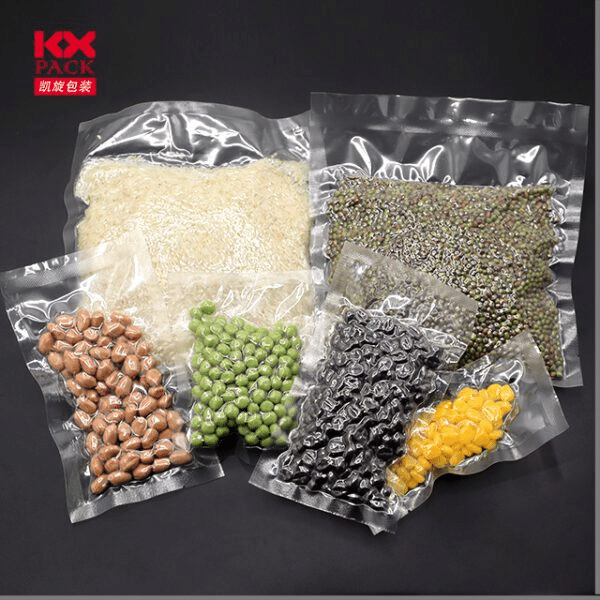
- Meat and cheese: Vacuum-sealed PE or PP films extend shelf life by removing oxygen.
- 스낵: Multi-layered laminated films (예를 들어, PET/PP) maintain crispness and prevent flavor loss.
- 소매 및 전자상거래
- 팔레트 포장: Stretch films secure boxes on pallets during transit, reducing shifting and damage.
- Product displays: Shrink-wrap films create tamper-evident packaging for electronics, 화장품, and toys.
- 산업 및 건축
- Vapor barriers: HDPE films protect buildings from moisture during construction.
- Machine protection: Anti-static PP films shield sensitive equipment from dust and static electricity.
- 농업
- Mulching films: Black PE films suppress weeds and retain soil moisture in farms.
- Silage wraps: UV-resistant films preserve livestock feed by preventing spoilage.
Advantages of Plastic Packaging Film
- 비용 효율적입니다: Lightweight and easy to produce, reducing shipping costs and material waste.
- 사용자 정의 가능: Available in colors, prints, and textures to enhance branding and product appeal.
- 위생: Impermeable to bacteria and moisture, ensuring food safety and product integrity.
- 효율적인: Stretch films can reduce packaging volume by up to 50%, optimizing storage space.
지속 가능성 과제 및 솔루션
플라스틱 필름은 부인할 수 없는 이점을 제공하지만, their single-use nature has raised environmental alarms. 업계의 반응은 이렇습니다:
- 재활용 이니셔티브
- Many PE and PP films are recyclable. Businesses can partner with programs like TerraCycle to collect used packaging.
- Downcycling: Recycled films are often repurposed into products like plastic lumber or trash bags.
- Biodegradable and Compostable Alternatives
- 영화 콘스타치 (PLA) 또는 사탕 수수 (파) decompose in industrial composting facilities within 6–12 months.
- 예: Eco-Flex® by BASF is a compostable film used for organic food packaging.
- 재사용 가능한 시스템
- Some companies adopt returnable packaging (예를 들어, reusable silage wraps or pallet covers) 폐기물을 최소화합니다.
- 더 얇은 필름
- 진출 나노기술 allow manufacturers to create ultra-thin films (예를 들어, 5-micron PE) without sacrificing strength, reducing plastic use by up to 30%.
How to Choose the Right Packaging Film
- Product Requirements:
- Perishable goods? Opt for oxygen-barrier films (예를 들어, EVOH-coated PET).
- Heavy items? Choose high-tensile HDPE or reinforced PP films.
- 환경에 미치는 영향:
- Prioritize recyclable or biodegradable options if sustainability is a priority.
- Cost Constraints:
- Balance upfront costs with long-term savings (예를 들어, reduced damage during shipping).
The Future of Packaging Plastic Film
같은 혁신식용 포장 (해초나 전분으로 만든) 그리고smart films (with embedded sensors to monitor freshness) are on the horizon. 한편, stricter regulations (예를 들어, EU의 일회용 플라스틱 지침) are pushing industries to adopt circular economy models.
최종 생각
Packaging plastic film remains a vital tool for protecting products and reducing waste—but its future hinges on sustainable practices. By opting for recyclable materials, supporting biodegradable alternatives, and optimizing design, businesses can minimize their ecological footprint without compromising performance.
포장을 업그레이드할 준비가 되었습니다.? 아래 댓글로 여러분의 생각이나 질문을 공유해 주세요! 🌍📦
키워드: 포장 플라스틱 필름, 지속 가능한 포장, 생분해성 필름, polyethylene film, plastic recycling.