식품 포장용 플라스틱 필름 롤 리딩의 증가 추세: 글로벌 수출업체의 관점
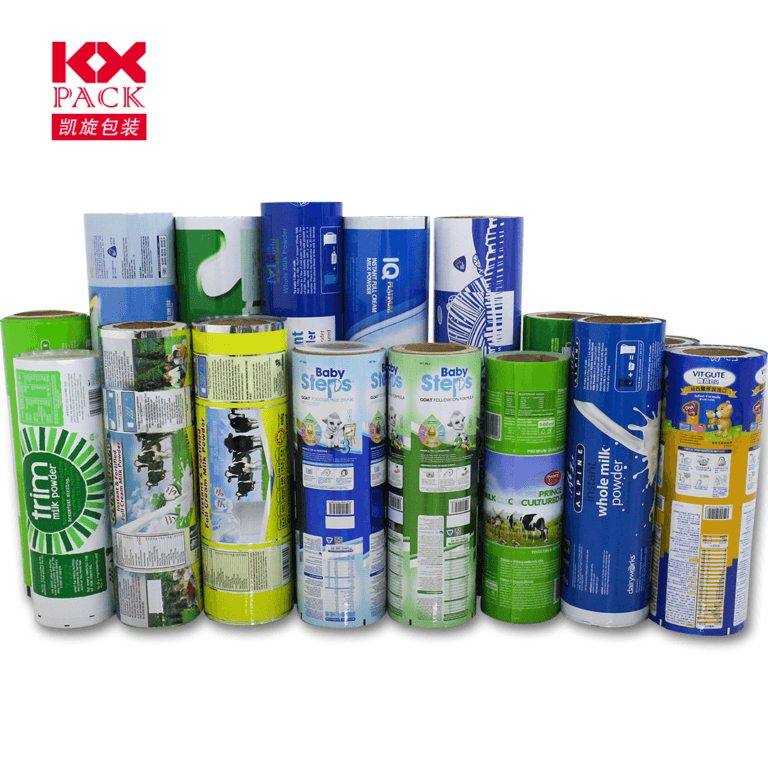
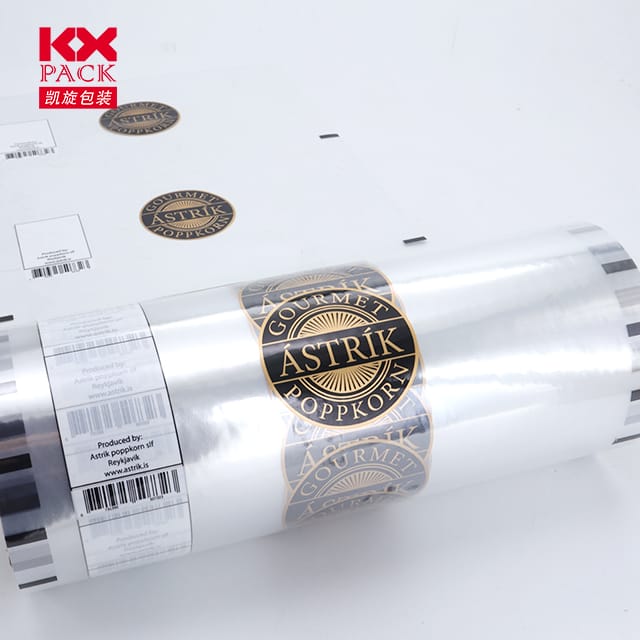
Lidding Plastic Film Roll
식품 포장의 역동적 인 풍경에서, Lidding Plastic Film Roll have emerged as a cornerstone for ensuring product freshness, 안전, 그리고 선반 매력. 이 틈새시장의 선도적인 수출업체로서, 시장 동인 이해, 기술 발전, 규제 환경은 글로벌 무대에서 경쟁력을 유지하는 데 매우 중요합니다..
시장개요: A Thriving Sector
The global food Lidding Plastic Film Roll market reached 35.81710억**~에2023andisprojectedtogrowto∗∗51.968 billion ~에 의해 2030, 와 6.4% CAGR. This growth is fueled by the rising demand for convenience foods, heightened consumer focus on food safety, and innovations in material science. Among packaging materials, 폴리에틸렌 (체육) dominates with a 31.7% 시장 점유율, thanks to its cost-effectiveness and versatility. 하지만, 폴리 아미드 (아빠) 그리고 에틸렌비닐알코올 (에보) films are gaining traction due to their superior barrier properties against oxygen, 수분, and odor—critical for extending product shelf life.
Technological Innovations Driving Demand
Lidding plastic film rolls are no longer mere protective layers; they are now engineered to meet multifunctional needs:
- Barrier Performance: Films with EVOH or PA layers reduce oxygen transmission rates (OTR) to as low as 30 cc/m²/24h, preserving food quality and reducing waste.
- 밀봉성: Advanced sealing ranges (165°C–190°C) ensure robust hermetic seals, 누출 및 오염 방지.
- 지속 가능성: Biodegradable and recyclable materials are increasingly integrated into formulations to align with global environmental regulations.
예를 들어, Zhongsu New Materials Technology’s에보 & PA-based lidding films offer moisture-proof, 부드러운, and FDA-compliant solutions, with thicknesses ranging from35–380 microns. 그들의W&H 11-Layer Casting Line ensures uniform quality, meeting ISO, SGS, and BRC standards.
규제 준수: A Non-Negotiable Factor
Exporting lidding films requires adherence to stringent food contact material (FCM) 규정. The EU, 예를 들어, mandates compliance with(EU) 아니요 10/2011 for plastic FCMs, focusing on limits for substances likeplasticizers, bisphenol A (BPA), and heavy metals. Testing standards such as안에 1186, 안에 13130, and EN 1388 are critical for verifying material safety. 비슷하게, the U.S. FDA and China’s GB standards impose rigorous checks on migration levels and overall material integrity.
Global Export Opportunities
Key markets for lidding plastic film rolls include:
- 북아메리카: 미국. and Canada prioritize high-barrier films for meat, 낙농, 그리고 바로 먹을 수 있는 음식들.
- 아시아 태평양: China’s packaging industry, 가치가 있는 $830.66 10억 (2023), is a major consumer, driven by its growing middle class and e-commerce boom.
- 유럽: 독일, 프랑스, and Italy demand eco-friendly films aligned with the EU’s Green Deal objectives.
- Emerging Markets: India and Southeast Asia present untapped potential, with rising urbanization and a shift toward packaged foods.
Challenges and Strategies for Exporters
- Price Sensitivity: Competitive pricing is essential, especially in price-conscious markets. Exporters must balance material costs with production efficiency.
- 기호 논리학: Ensuring seaworthy packaging (팔레트, 상자) and compliance with HS Code 3920109090 is vital for smooth customs clearance.
- 맞춤화: Offering tailored solutions (예를 들어, 치아 방지, antibacterial coatings) can differentiate products in niche markets.
- 지속 가능성: Partnering with brands committed to circular economy principles (예를 들어, 유니레버, 기분 좋게 눕다) can open doors to premium segments.
미래 전망: Innovation and Adaptation
The lidding plastic film roll market is poised for further growth, 에 의해 구동:
- 스마트 패키징: Integration of sensors and QR codes for traceability and freshness monitoring.
- Advanced Barrier Materials: Development of nanocomposite films with enhanced gas and moisture resistance.
- 원형 경제 모델: Recyclable mono-material structures and chemical recycling technologies.
As an exporter, staying ahead requires continuous investment in R&디, a keen understanding of regional regulations, 그리고 지속 가능성에 대한 약속. By aligning with these trends, businesses can not only meet current demands but also anticipate future market shifts.
결론
The lidding plastic film roll market for food packaging is a vibrant, evolving sector with immense potential. For exporters, navigating its complexities—from technological innovation to regulatory compliance—is key to unlocking global opportunities. As consumer preferences and environmental concerns reshape the industry, those who adapt will lead the way.
Let’s shape the future of food packaging together. 🌍📦