음식 포장 필름에 대한 궁극적 인 가이드: 필수 주방에서 생태 의식 선택에 이르기까지
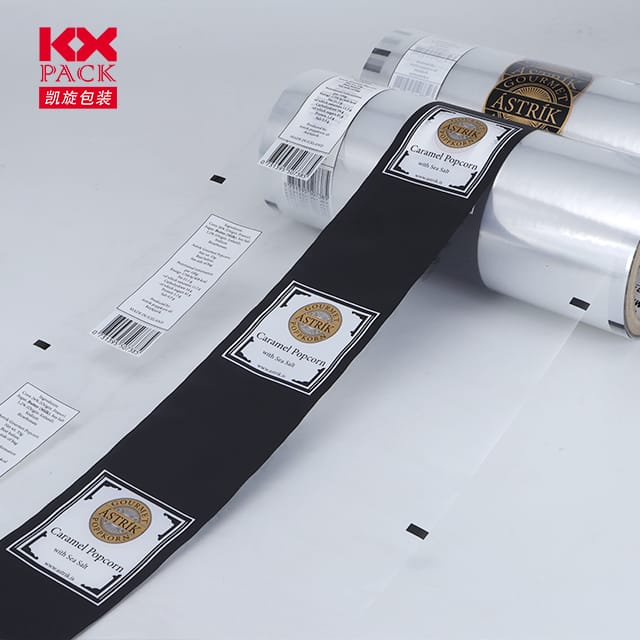
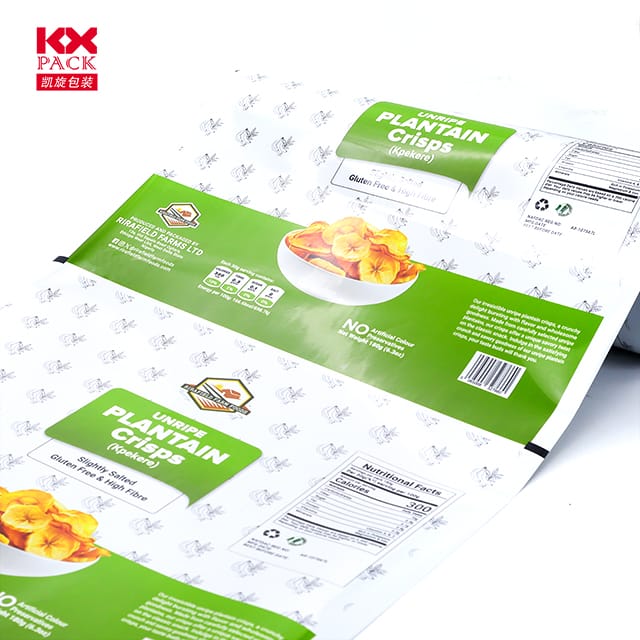
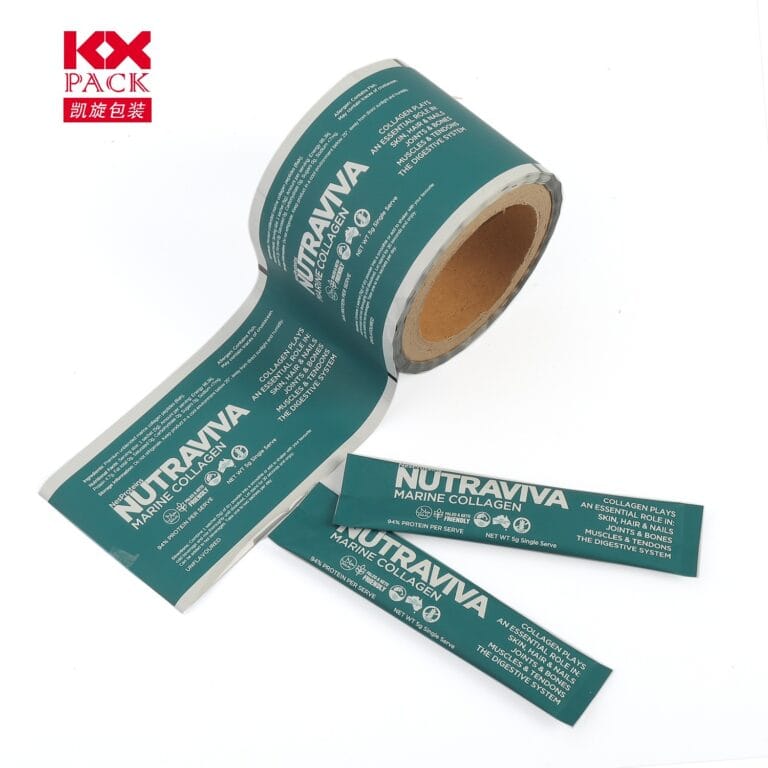
음식 포장 필름
식품 포장 필름(클링 필름이라고도 함), 플라스틱 랩, 또는 사란 랩 - 거의 모든 가정에서 발견되는 주방의 필수품입니다.. 남은 음식을 보존하는지 여부, 고기를 돋보이게합니다, 또는 점심 포장, 이것은 투명합니다, 신축성있는 재료는 필수 불가결 한 것 같습니다. 그러나 당신은 그것에 대해 얼마나 많이 알고 있습니까?? 과학을 풀겠습니다, 지속 가능성, 그리고 그 뒤에는 스마트한 해킹이 있습니다 음식 포장 필름.
1. 식품 포장 필름은 무엇으로 만들어지나요??
대부분의 상업용 플라스틱 랩은 다음과 같은 재료로 제작됩니다. 폴리에틸렌 (체육), 경량, 유연한 플라스틱. 일부 품종 사용 폴리염화비닐리덴 (PVDC) 또는 폴리 비닐 클로라이드 (PVC) 밀착력과 습기 저항성 강화, 환경 문제로 인해 인기가 떨어졌지만(음식 포장 필름둔다
- 온필름: 식품 보관에 안전함, 전자레인지 친화적, 일부 지역에서는 재활용 가능 (현지 가이드라인을 확인하세요).
- PVC/PVDC 필름: 염소와 가소제 함유, 가열하면 음식에 침출될 수 있음. 이제 많은 브랜드가 친환경 대안을 위해 이러한 제품을 단계적으로 폐지하고 있습니다..
2. 플라스틱 랩의 장점과 단점
장점:
- 기밀 씰: 냉동실 화상을 방지하고 식품을 오랫동안 신선하게 유지합니다..
- 다재: 아보카도와 같은 이상한 모양의 품목을 포장합니다., 치즈 웨지, 또는 샌드위치 반쪽.(음식 포장 필름둔다
- 투명도: 뜯지 않고도 내용물을 볼 수 있어요, 폐기물 감소.
단점:
- 일회용 플라스틱: 매립 폐기물 및 미세플라스틱 오염에 기여.
- 대부분의 경우 재활용 불가: "퇴비화 가능" 또는 "재활용 가능" 라벨이 붙지 않은 경우,”종종 소각장이나 바다로 보내집니다..
- 화학적 우려: 일부 연구에 따르면 PVC 랩에 들어 있는 가소제는 시간이 지남에 따라 섭취할 경우 호르몬을 방해할 수 있다고 합니다.음식 포장 필름둔다
3. 기존 플라스틱 랩에 대한 친환경적 대안
지속가능성이 우선시되면서, 많은 가정이 재사용 가능 또는 생분해성 옵션으로 전환하고 있습니다.:
- 밀랍 랩: 밀랍으로 코팅된 면 소재로 제작되었습니다., 이 랩은 빨 수 있어요, 퇴비화 가능한, 그릇을 덮거나 샌드위치를 포장하는 데 적합합니다.. 적절한 관리를 통해 최대 1년까지 지속됩니다.(음식 포장 필름둔다
- 실리콘 식품 커버: 튼튼한, 기밀, 식기세척기 사용 가능, 실리콘 뚜껑이 그릇 위에 딱 맞습니다., 접시, 아니면 반 양파 같은 농산물을 자르거나.
- 탄성이 있는 패브릭 커버: 방수 소재로 안감을 댄 재사용 가능한 천 랩 (예를 들어, 식품등급 PU) 반죽을 부풀리거나 구운 식품을 보관하는 데 이상적입니다..
- 생분해성 필름: 일부 브랜드에서는 이제 옥수수 전분이나 셀룰로오스로 만든 식물성 랩을 제공합니다.. 이는 몇 달 안에 산업 퇴비화 시설에서 분해됩니다..
4. 식품 포장을 사용하는 창의적인 꿀팁
남은 음식 너머, 플라스틱 랩에는 놀라운 2차 용도가 있습니다.:
- 마리네이팅 매직: 고기를 양념 필름에 싸서 양념을 표면에 마사지하면 맛이 더 빨리 흡수됩니다..
- 깔끔한 페인팅: 아이들의 공예 시간 동안 표면을 보호하기 위해 미술 팔레트나 테이블을 플라스틱 랩으로 덮어주세요..
- DIY 아이스팩: 지퍼백에 물을 채워주세요, 플라스틱 랩 안에 밀봉하세요., 유연성을 위해 동결, 재사용 가능한 냉찜질.
- 식물 보호: 미니 온실 효과를 만들기 위해 플라스틱 랩 돔으로 묘목을 덮습니다., 발아율 향상.
5. 식품 포장을 올바르게 보관하는 방법
얽힌 문제로 어려움을 겪은 적이 있습니까?, 쓸모없는 플라스틱 랩 롤? 좌절하지 않고 유지하는 방법은 다음과 같습니다.:
- 차갑게 유지하세요: 롤을 냉장고나 냉동고에 보관하세요.. 냉장 플라스틱 랩은 끈적임이 덜하고 취급이 더 쉽습니다..
- 상자의 톱니 모양 가장자리 사용: 대부분의 플라스틱 랩 상자에는 커터가 내장되어 있습니다.. 가장자리를 따라 필름을 밀어서 청소하세요., 눈물조차.
- 과도한 스트레칭을 피하세요: 너무 세게 당기면 필름이 찢어지거나 접착력이 약해질 수 있습니다.. 팽팽하게 당기지 말고 용기에 부드럽게 눌러주세요..
6. 식품 포장의 미래: 주목해야 할 혁신
- 식용 영화: 연구원들은 전분으로 만든 랩을 개발하고 있습니다, 조류, 또는 음식과 함께 섭취할 수 있는 우유 단백질. 치즈 스틱의 포장을 풀고 생분해성 "플라스틱"도 우적우적 먹는 것을 상상해 보세요.!
- 스마트 패키징: 일부 회사에서는 식품이 상할 때 색상이 변하거나 유통 기한을 연장하기 위해 항균제를 방출하는 필름을 테스트하고 있습니다..
- 버섯 기반 재료: 균사체 (곰팡이 뿌리) 플라스틱의 내구성에 필적하는 퇴비화 가능한 포장재로 성형 가능.
최종 생각: 죄책감을 버리세요, 솔루션 수용
기존의 플라스틱 랩에도 장점이 있지만, 환경에 미치는 영향은 부인할 수 없습니다. 재사용 가능한 대안 또는 퇴비화 가능한 옵션을 선택함으로써, 편의성을 희생하지 않고도 낭비를 줄일 수 있습니다. 그리고 비닐랩을 사용한다면, 책임감 있게 재활용하세요 (가능하다면) 또는 창의적으로 용도 변경.
여러분이 즐겨 사용하는 음식 포장 꿀팁은 무엇인가요?? 아래 댓글로 여러분의 팁을 공유해 주세요! 🌱🍴
추신. 환경 전사를 위한: 면직물로 집에서 나만의 밀랍랩을 만들어 보세요., 갈은 밀랍, 오븐도 있고 생각보다 쉽네요!