식품 포장 필름: 지속 가능성과 신선도를 주도하는 혁신(6)
식품 포장 필름
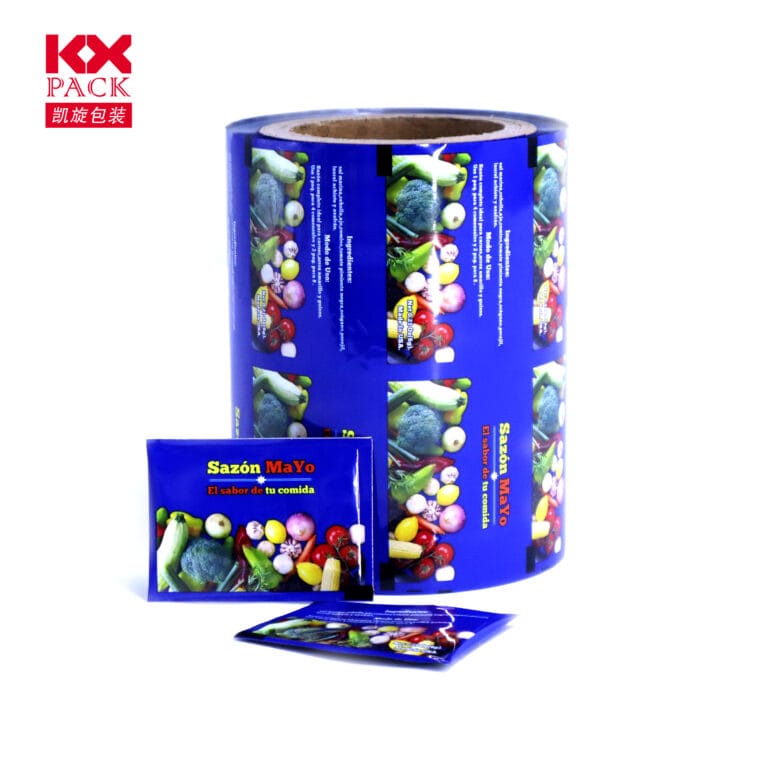
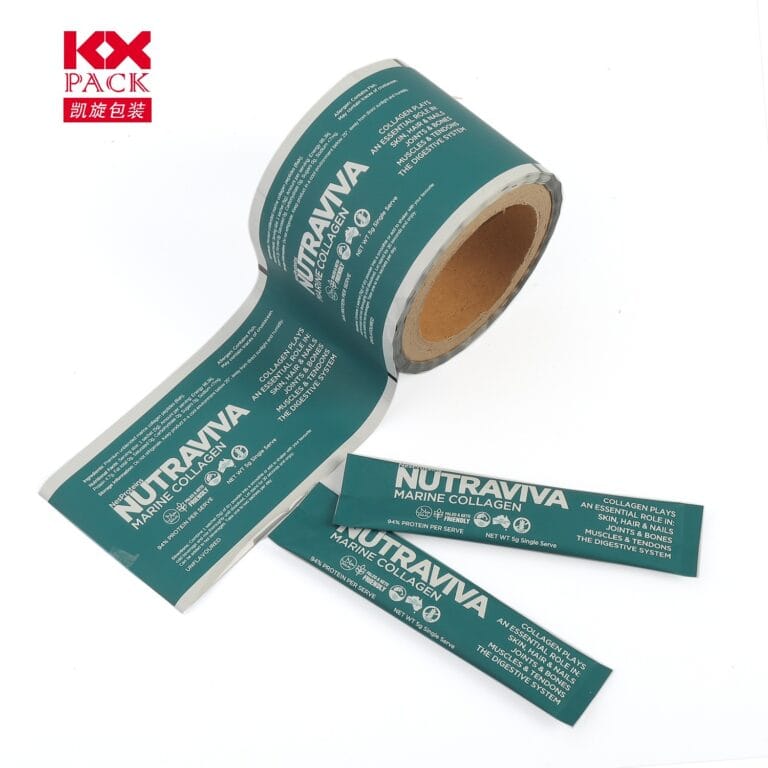
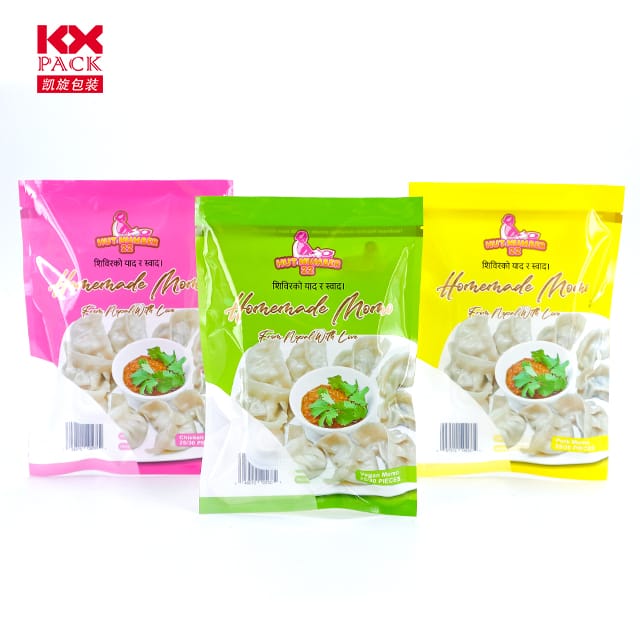
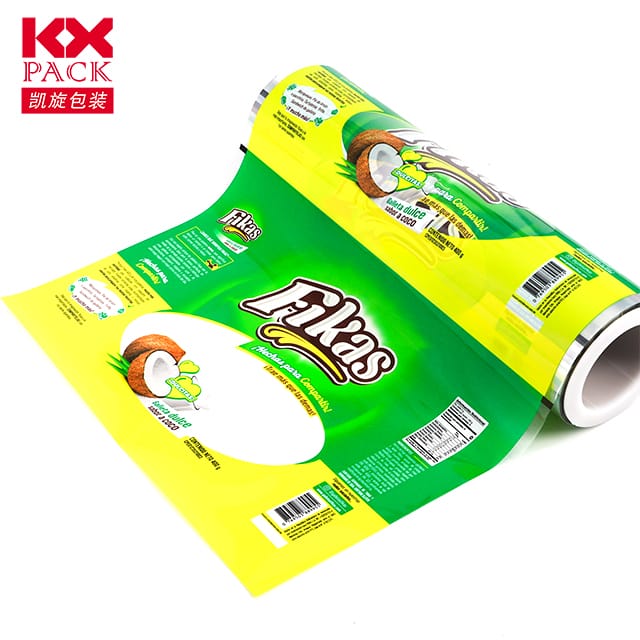
오늘날의 빠르게 진행되는 세상에서, 식품 포장 필름은 단순한 보호층이 아니라 식품 안전의 중요한 구성 요소입니다., 지속 가능성, 소비자 편의성과. 저장 수명 연장에서 폐기물 감소까지, 포장 필름 기술의 발전으로 인해 우리가 보관하는 방식이 바뀌고 있습니다., 수송, 그리고 음식을 즐기세요. 최신 트렌드를 살펴보자, 도전, 이 필수 산업의 획기적인 발전.
식품 포장 필름의 역할
식품 포장 필름은 다양한 용도로 사용됩니다.:
- 보존: 산소로부터 식품을 보호합니다., 수분, 신선도를 유지하기 위한 오염물질과.
- 편의: 손쉬운 취급 가능, 분배, 이동 중 소비.
- 안전: 박테리아와 물리적 손상에 대한 장벽 역할을 합니다..
- 지속 가능성: 현대 영화는 재활용 가능하거나 생분해성 물질을 통해 환경에 미치는 영향을 최소화하는 것을 목표로 합니다..
최첨단 혁신
- 생분해 성 및 퇴비 필름
전통적인 플라스틱 필름, 효과적이면서, 지구 오염에 기여하다. 폴리락트산과 같은 식물성 소재로 만든 친환경 대안을 만나보세요. (PLA), 녹말, 또는 셀룰로오스. 이 필름은 자연스럽게 분해됩니다., 매립 폐기물 감소. 예를 들어, TIPA 및 BioPak과 같은 회사는 스낵용 퇴비화 포장 분야를 선도하고 있습니다., 신선한 농산물, 그리고 커피포트까지. - 능동적이고 지능적인 패키징
수동적 보호를 넘어, "스마트" 필름은 이제 식품과 상호 작용하여 안전성과 품질을 향상시킵니다.:- 산소 청소기: 부패를 방지하기 위해 산소를 흡수하는 물질을 내장한 필름 (육류 및 치즈 포장에 흔히 사용됨).
- 시간-온도 표시기 (TTI): 식품이 안전하지 않은 온도에 노출되면 색상이 변하는 라벨, 신선도 보장.
- 항균 코팅: 박테리아 성장을 억제하기 위해 에센셜 오일과 같은 천연 물질이 주입된 필름.
- 식용 포장
포장지를 버리는 대신 먹는 것을 상상해 보세요.! 해초 등의 재료로 만든 식용 필름, 쌀 전분, 또는 과일 퓨레가 인기를 끌고 있습니다.. Notpla 같은 브랜드 (해초 기반 향 주머니) 그리고 WikiCells (요구르트나 주스용 식용 케이싱) 이 공간을 개척하고 있습니다, 제로 웨이스트 솔루션 제공. - 포장의 나노기술
나노입자를 사용하여 초박형 제품을 만들고 있습니다., 기존 플라스틱보다 성능이 뛰어난 고차단 필름. 예를 들어, 은 나노입자는 항균 특성을 제공합니다., 점토 나노복합체는 강도와 가스 저항성을 향상시킵니다..
지속 가능성 과제
진전에도 불구하고, 업계는 난관에 직면해 있다:
- 비용: 생분해성 소재는 기존 플라스틱보다 가격이 비싼 경우가 많습니다..
- 성능: 일부 친환경 필름은 내구성이나 습기 저항성 문제로 어려움을 겪고 있습니다..
- 재활용 인프라: 퇴비화 가능한 필름에는 산업 시설이 필요합니다., 아직 널리 사용 가능하지 않은 것.
- 소비자 행동: 라벨링에 대한 혼란 (예를 들어, "생분해성" 대. “퇴비화 가능”) 부적절한 폐기로 이어질 수 있습니다..
식품 포장 필름의 미래
순환 경제 원칙으로의 전환이 혁신을 주도하고 있습니다. 주요 트렌드에는 다음이 포함됩니다:
- 단일재료 필름: 단일 유형의 플라스틱을 사용하여 재활용이 더 쉽게 설계되었습니다..
- 수용성 필름: 일회용 봉지에 이상적, 물에 무해하게 용해됨.
- AI 기반 디자인: 기계 학습으로 필름 두께 최적화, 재료 사용, 낭비를 줄이는 기능성.
친환경 선택을 위한 소비자 팁
- "OK Compost" 또는 "생분해성 제품 연구소"와 같은 인증을 찾으세요. (BPI).”
- 가능하다면 일회용 필름보다 재사용 가능한 용기를 우선시하세요..
- 지속 가능한 포장에 전념하는 브랜드 지원.
결론
식품포장필름은 일회용 필수품에서 첨단기술로 진화하고 있습니다., 지속 가능한 솔루션. 친환경 옵션에 대한 소비자 수요가 증가함에 따라, 업계는 환경과 제품을 모두 우선시하는 혁신으로 도전에 나서고 있습니다.. 이러한 발전을 수용함으로써, 우리는 더 신선한 음식을 즐길 수 있어요, 낭비를 줄이다, 더 푸른 미래에 한걸음 더 다가가세요.
지속 가능한 포장에 대해 어떻게 생각하시나요?? 댓글로 여러분의 생각이나 좋아하는 친환경 브랜드를 공유해주세요!