식품 포장에 사용되는 유연한 필름의 진화와 영향
유연한 필름
역동적인 식품 포장 세계에서, 유연한 필름 게임 체인저로 등장했습니다., 제품 보존 방식에 혁명을 일으키다, 발표, 그리고 운송. 혁신과 지속 가능성의 결합, 이 경량, 적응성 소재는 편의성과 친환경 솔루션에 대한 증가하는 소비자 요구를 충족하면서 업계를 재편하고 있습니다..
유연한 필름이란 무엇입니까??
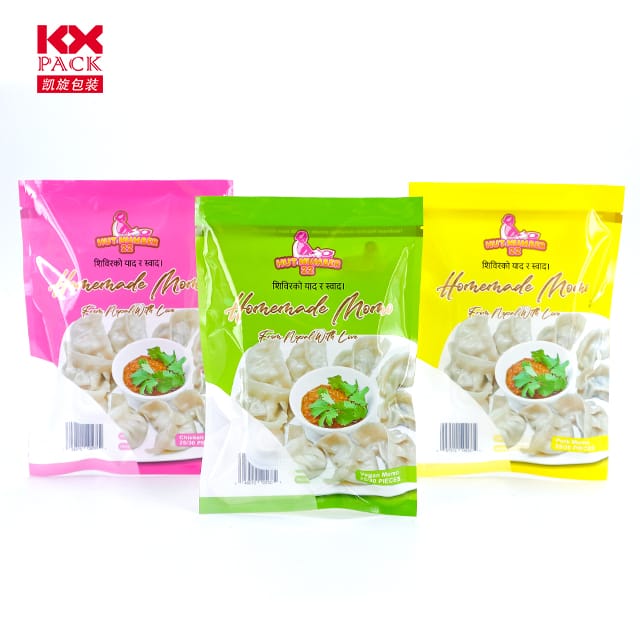
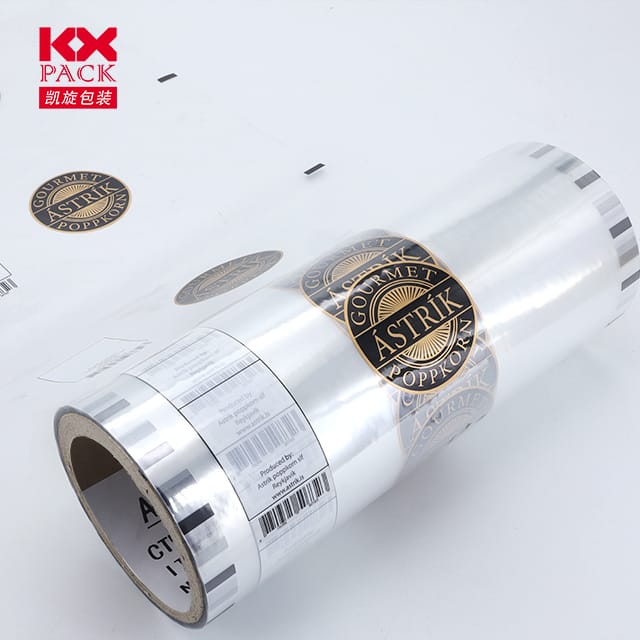
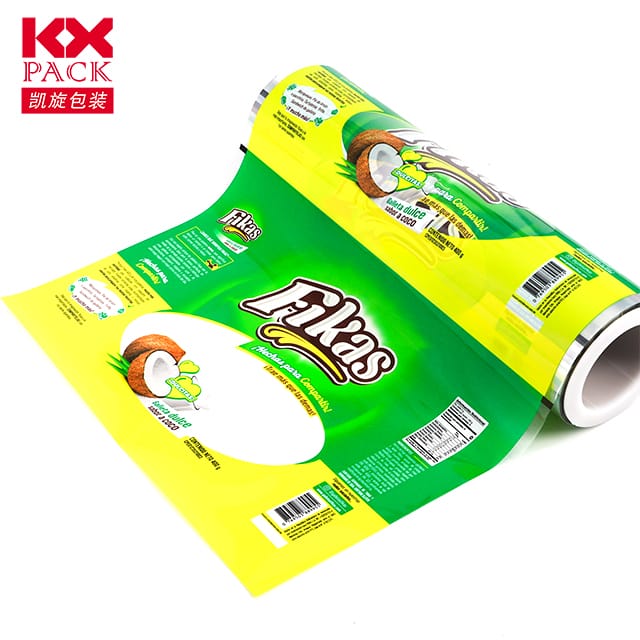
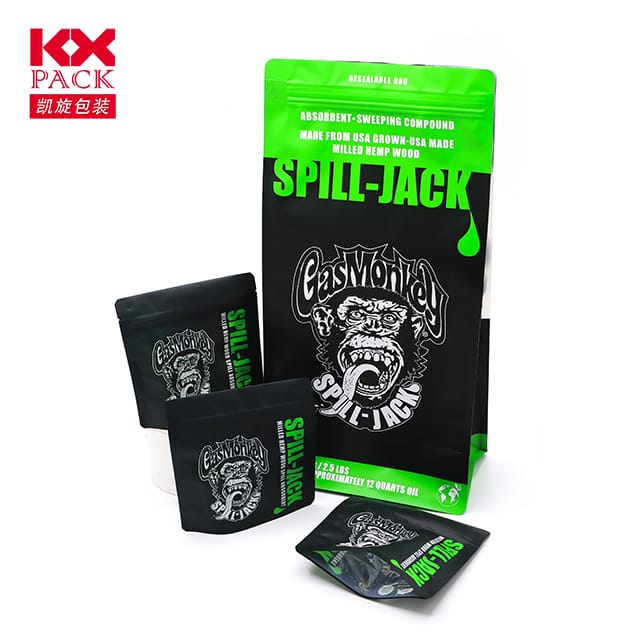
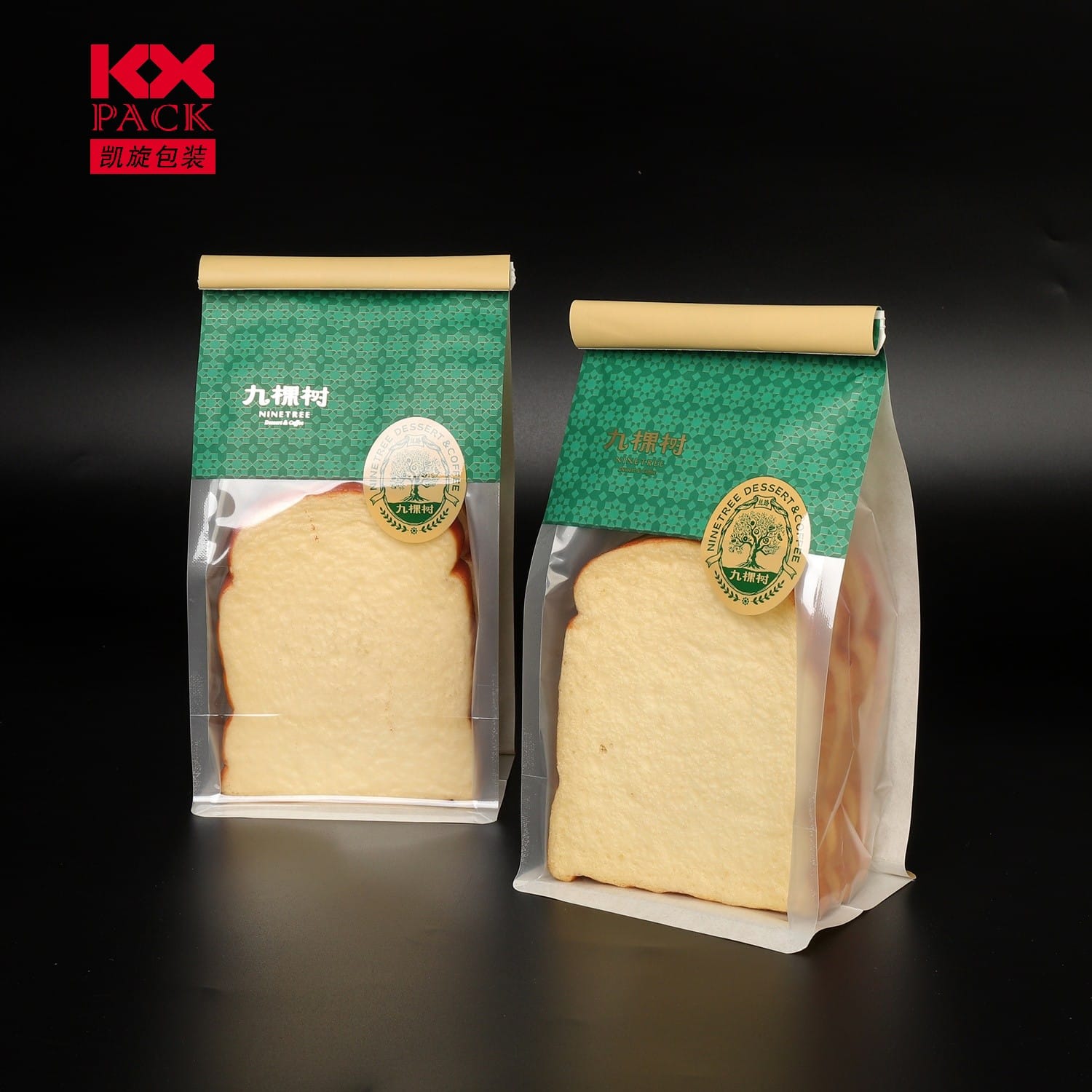
유연한 필름은 얇습니다., pliable sheets made from polymers like polyethylene (체육), 폴리 프로필렌 (PP), 폴리에스테르 (애완 동물), or biodegradable alternatives such as polylactic acid (PLA). Designed to conform to product shapes, they offer versatility unmatched by rigid packaging. Common applications include pouches, 랩, lids, and bags for snacks, 신선한 농산물, 낙농, 그리고 바로 먹을 수 있는 음식들.
Key Advantages of Flexible Films
- 향상된 제품 보호
Flexible films create airtight barriers against moisture, 산소, 그리고 빛, 유통기한 연장 및 음식물 쓰레기 감소. Advanced multilayer structures can incorporate oxygen scavengers or UV filters for superior preservation. - Sustainability Benefits
Compared to traditional materials, flexible films require fewer resources to produce and transport, 탄소 발자국 낮추기. Many are now recyclable or compostable, aligning with global circular economy goals. 예를 들어, Dow’s RecycleReady technology enables recyclable pouches, while companies like TIPA® offer certified compostable films. - Cost-Efficiency and Convenience
경량 및 공간 절약, flexible films reduce storage and shipping costs. Their resealable designs—like zippers or spouts—enhance user experience, catering to on-the-go lifestyles. - Branding and Shelf Appeal
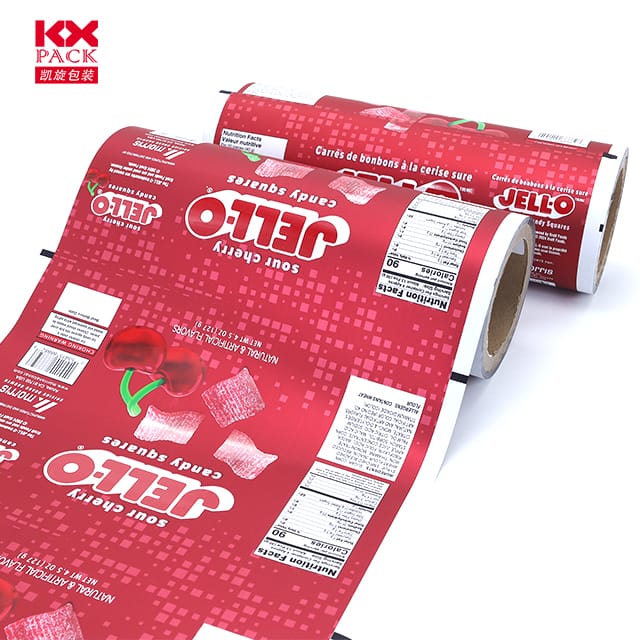
High-definition printing capabilities allow vibrant, customizable designs, helping brands stand out in competitive retail environments.
도전과 혁신
그들의 혜택에도 불구하고, 유연한 필름은 장애물에 직면:
- 재활용 인프라: Single-material films are easier to recycle, but multilayer variants (common in high-barrier packaging) remain problematic.
- Material Complexity: Balancing performance with eco-friendliness requires ongoing R&디.
변화를 주도하는 혁신:
- 생분해 성 폴리머: Materials derived from corn starch or sugarcane are gaining traction.
- 화학적 재활용: Breakthroughs like enzymatic degradation promise to recycle mixed-material films.
- 스마트 패키징: Integration of sensors to monitor freshness or RFID tags for supply chain transparency.
The Future of Flexible Films
The market for flexible food packaging is projected to grow at aCAGR 5.2% ~을 통해 2030 (그랜드뷰리서치), fueled by:
- Rising e-commerce: Demand for durable, lightweight shipping materials.
- Health-Conscious Consumers: Preferences for hygienic, single-serve portions.
- 규제 압력: Stricter bans on single-use plastics are accelerating adoption of sustainable alternatives.
결론
Flexible films represent a bridge between functionality and environmental responsibility. 기술이 발전함에 따라, their role in reducing waste, 식품 안전 강화, and delighting consumers will only expand. Brands that embrace these materials today are not just staying ahead—they’re contributing to a healthier planet.
행동 촉구:
Are you ready to explore flexible packaging solutions for your brand? Share your thoughts or questions in the comments below—let’s discuss how innovation can meet sustainability in the food industry!
Word count: ~550
키워드: 유연한 필름, 식품 포장, 지속 가능성, 혁신, 재활용