식품 포장에 사용되는 유연한 필름의 진화와 영향: 지속 가능한 혁명(3)
유연한 필름
오늘날의 빠르게 진행되는 세상에서, 식품 포장은 더 이상 단순한 봉쇄가 아니라 보존의 균형을 맞추는 과학입니다., 편의, 지속 가능성. 이 변화를 주도하는 혁신 중, 유연한 필름 식품 포장 분야의 판도를 바꾸는 기업으로 등장했습니다.. 가벼운 중량, 변하기 쉬운, 적응력이 있고, 이러한 자료는 우리가 보호하는 방식을 바꾸고 있습니다., 수송, 그리고 음식을 섭취한다. 플렉서블 필름이 산업에 혁명을 일으키고 있는 이유와 미래에 대해 알아보겠습니다..
유연한 필름이란 무엇입니까??
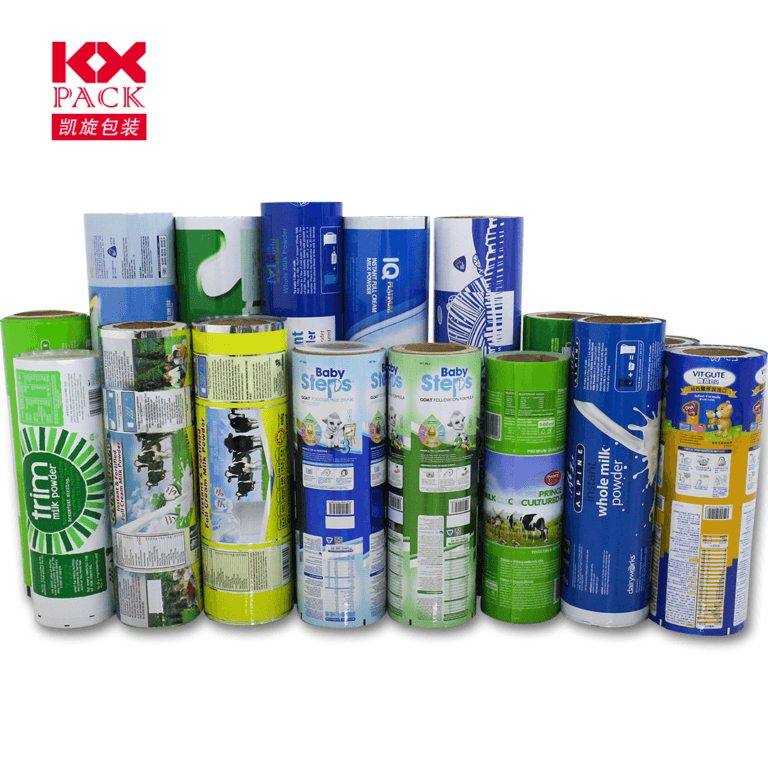
유연한 필름은 얇습니다., 폴리에틸렌과 같은 폴리머로 만든 유연한 재료 (체육), 폴리 프로필렌 (PP), 폴리에스테르 (애완 동물), PLA와 같은 생분해성 대체재 (폴리 락트산). 이 필름은 적층될 수 있습니다., 코팅, 또는 인쇄하여 스낵 및 신선 농산물부터 냉동 식품 및 음료에 이르기까지 특정 식품에 맞는 포장 솔루션을 만들 수 있습니다..
주요 장점? 경량 구조로 배송 시 배출 가스 감소, 맞춤형 장벽 특성으로 유통기한 연장, 그리고유연성으로 공간을 효율적으로 사용할 수 있습니다. 포장 디자인에.
유연한 필름이 식품 포장을 지배하는 이유?
- 향상된 유통기한
유연한 필름은 산소로 가공될 수 있습니다., 수분, 부패를 방지하기 위한 가벼운 장벽. 예를 들어, 높은 장벽 라미네이트로 커피를 신선하게 유지, 수정된 대기 포장 동안 (지도) 영화는 고기와 치즈의 유통기한을 연장시킵니다. - 지속 가능성의 이점
기존의 견고한 포장은 종종 더 많은 재료를 사용하고 더 많은 폐기물을 발생시킵니다.. 유연한 필름, 대조적으로, 생산하고 운송하는 데 더 적은 자원이 필요함. 추가적으로, 발전 재활용 및 퇴비화 가능 필름 (예를 들어, 바이오 기반 PLA 또는 단일 소재 PE 구조) 플라스틱 오염을 줄이고 있습니다. - 편의 & 혁신
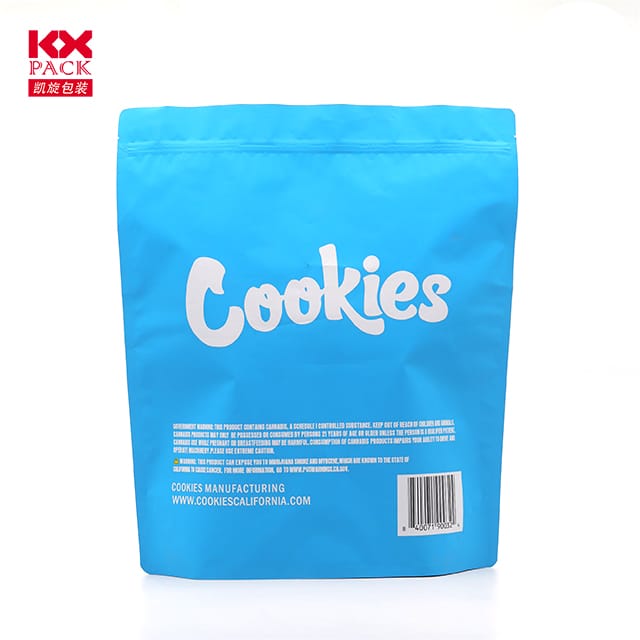
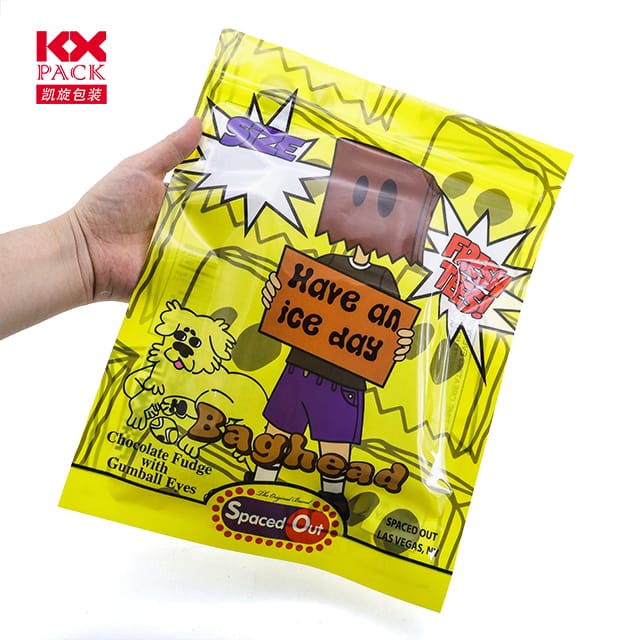
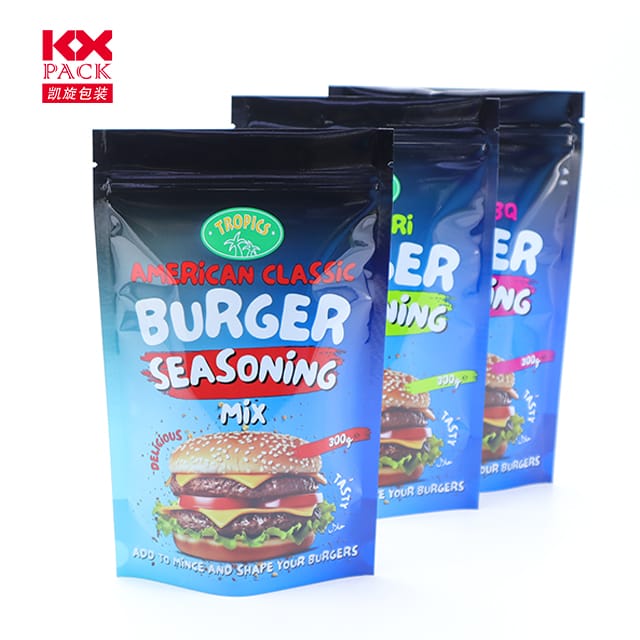
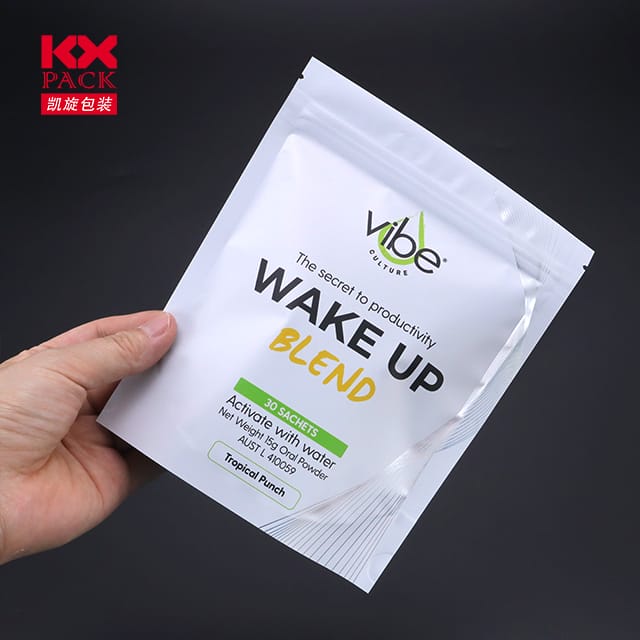
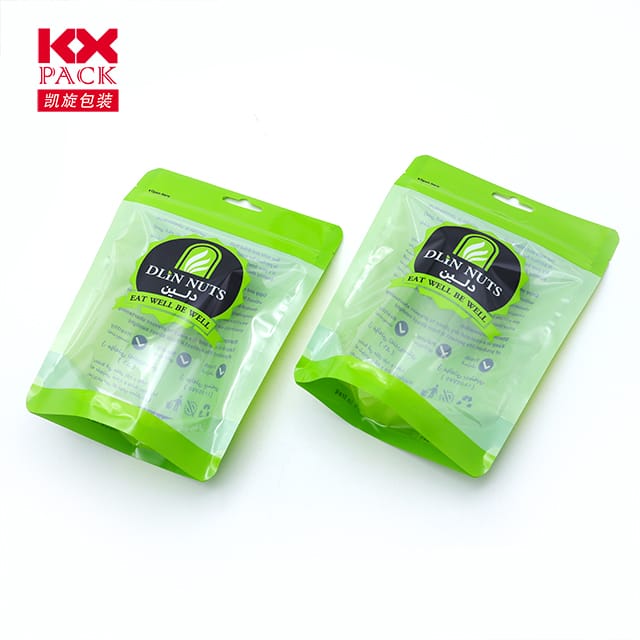
재밀봉 가능한 지퍼, 쉽게 찢어지는 구멍, 스탠드업 파우치를 통해 유연한 포장을 소비자 친화적으로 만들 수 있습니다.. 스낵 회사 및 즉석식품 생산업체와 같은 브랜드는 이러한 기능을 활용하여 사용자 경험을 향상시킵니다.. - 비용 효율성
재료가 가벼워지면 배송비가 낮아집니다., 성형-충전-밀봉 기능 (FFS) 고속 기계의 생산 효율성 향상.
도전 & 앞으로 도로
그들의 혜택에도 불구하고, 유연한 필름은 장애물에 직면:
- 재활용성 복잡성: 다층 라미네이트 (예를 들어, PET/AL/PE) 재활용이 어렵다.
- 소비자 인식: 일부는 여전히 플라스틱을 폐기물과 연관시킵니다., 화학적 재활용이나 퇴비화 가능 필름과 같은 혁신이 존재하더라도.
수평선의 솔루션:
- 단일 재료 구조: 단일 폴리머 유형 사용 (예를 들어, 올 PE 파우치) 재활용성을 향상시킨다.
- 생분해 성 필름: 재생 가능한 자원으로 제작됨, 이것들은 자연스럽게 분해됩니다, 확장성은 여전히 과제로 남아 있지만.
- 스마트 패키징: 신선도를 추적하고 폐기물을 줄이기 위해 센서 또는 QR 코드를 필름에 통합.
미래는 유연하다
글로벌 유연 포장 시장은 다음과 같이 성장할 것으로 예상됩니다.$250 10 억으로 2028, 전자상거래 성장과 지속가능성 요구에 힘입어. 브랜드의 우선순위가 점점 높아지고 있습니다.원형 디자인—재활용 가능한 포장 만들기, 재사용 가능, 또는 설계상 퇴비화 가능.
소비자는 편의성을 희생하지 않으면서 친환경적인 옵션을 요구함에 따라, 유연한 필름은 격차를 해소하는 데 중추적인 역할을 할 것입니다.. 다음 개척지? 같은 혁신식용 영화 (해초나 전분으로 만든) 또는자가 치유 재료 폐기물을 더욱 최소화하는.
결론
유연한 필름은 단순한 포장 그 이상입니다. 현대의 과제를 해결하는 인간의 독창성을 보여주는 증거입니다.. 기능성의 균형을 맞춰, 지속 가능성, 그리고 경제성, 그들은 음식뿐만 아니라 지구도 보호합니다. 기술이 발전함에 따라, 한 가지는 분명하다: 식품 포장의 미래는 유연하다, 그리고 그것은 계속 여기에 있어요.
유연한 필름에 대해 어떻게 생각하시나요?? 아래 의견에 당신의 생각을 공유하십시오! 🌱🍱
키워드: 유연한 필름, 식품 포장, 지속 가능성, 저장 수명, 생분해성, 재활용 가능한, 순환경제