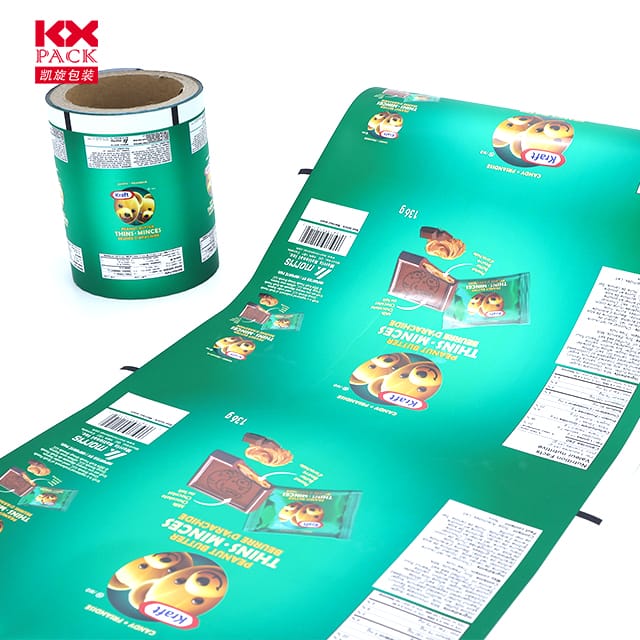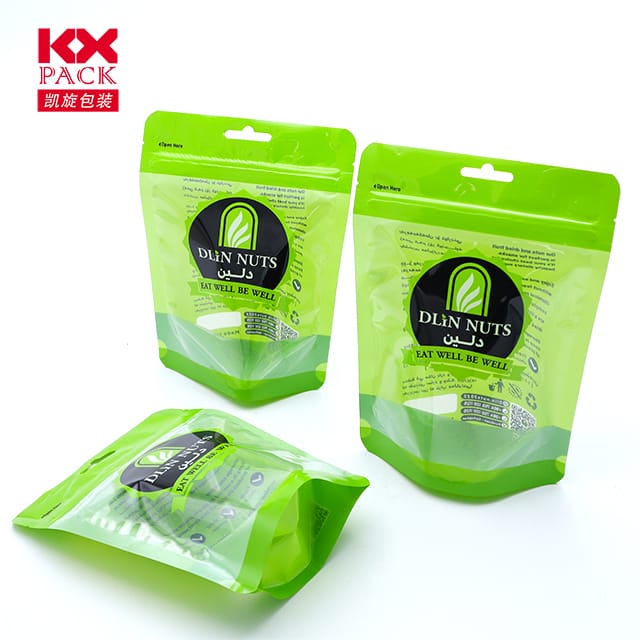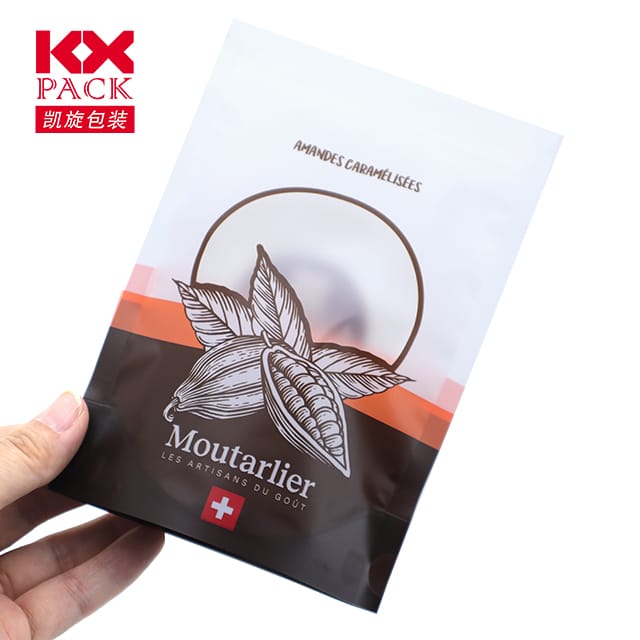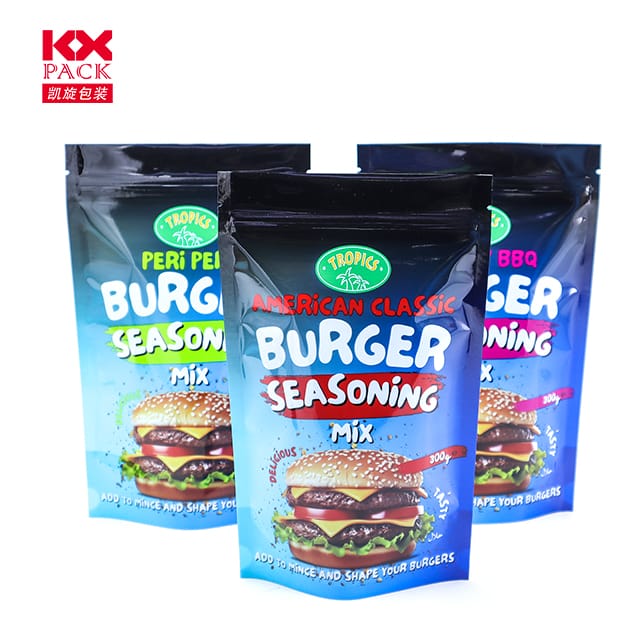
디지털 인쇄 필름의 세계를 공개하다: 응용 프로그램, 이익, 및 동향
디지털 인쇄 필름
빠르게 변화하는 영상 커뮤니케이션의 세계에서, 디지털 인쇄 필름 기업과 창작자 모두를 위한 게임 체인저로 등장했습니다.. 눈길을 사로잡는 매장 그래픽부터 내구성이 뛰어난 제품 라벨까지, 이 다재다능한 매체는 최첨단 기술과 실용성을 결합합니다.. 현대 마케팅과 디자인에서 디지털 인쇄 필름이 필수 도구가 된 이유를 살펴보겠습니다..
1. 디지털 인쇄 필름이란??
디지털 인쇄필름은 얇은 필름을 말합니다., 유연한 플라스틱 시트 (PET처럼, PVC, 또는 폴리 프로필렌) 인쇄 가능한 표면으로 코팅됨. 기존의 잉크젯 용지와는 다르게, 이 필름은 실외 요소를 견딜 수 있도록 설계되었습니다., 이상적으로 만드는 것:
- 단기 프로모션 (예를 들어, 판매 배너, 이벤트 간판).
- 제품 라벨링 (방수복, 내유성 스티커).
- 장식 응용 (창 그래픽, 벽 벽화).
- 산업용 (멤브레인 스위치, 제어판).
마법은 여기에 있다디지털 인쇄 기술, 온디맨드 방식을 허용하는, 인쇄판이나 긴 설정 시간이 필요 없는 고해상도 디자인.
2. 기존 방법에 비해 주요 장점
브랜드가 디지털 필름용 스크린 인쇄를 버리는 이유? 이유는 다음과 같습니다:
| 특징 | 디지털 인쇄 필름 | 전통적인 방법 |
|---|---|---|
| 처리 시간 | 24–48시간 (건조 시간 없음) | 주 (도금, 설정) |
| 비용 효율성 | 소규모 배치에 적합한 가격 | 적은 수량에 대한 높은 설치 비용 |
| 맞춤화 | 풀 컬러 그라데이션, 사진, 가변 데이터 | 제한된 색상 옵션, 복잡하지 않음 |
| 친환경성 | 무용제 잉크, 재활용 가능한 재료 | 가혹한 화학물질, 더 많은 낭비 |
3. 산업 전반에 걸친 주요 애플리케이션
- 소매 & 광고: 생동감 넘치는 창문이 달라붙습니다., 바닥 그래픽, 그리고 걸려있는 현수막.
- 자동차: 맞춤형 자동차 랩, 데칼, 그리고 보호필름.
- 포장: 식품용 내구성 라벨, 화장품, 그리고 전자 장치.
- 건축학: 장식용 벽 필름 및 프라이버시 스크린.
- 헬스케어: 의료기기용 멸균 라벨.
사례 연구: 디지털 필름을 사용하여 계절별 창문 그래픽을 제작한 커피 체인점, 유동인구 증가 30% 휴가 캠페인 중.
4. 올바른 필름 유형 선택
모든 영화가 동일하게 제작되는 것은 아닙니다. 고려해야 할 주요 요소:
- 재료:
- 애완 동물: 광택, 긁힘 방지 (야외 사용에 가장 적합).
- PVC: 유연한, 순응하는 (곡면에 이상적).
- 폴리프로필렌: 무광택 마감, 비용 효율적 (실내 간판).
- 점착제: 영구적인, 이동할 수 있는, 또는 재배치 가능한 접착제.
- 두께: 3스티커는 –500만; 5내구성이 뛰어난 옥외 간판의 경우 –8mil.
- 마치다: 광택, 매트, 또는 촉각적 매력을 위해 질감 처리됨.
5. 주목해야 할 미래 동향
- 지속 가능성: 생분해성 필름 및 수성 잉크.
- 스마트 영화: QR 코드 또는 NFC 태그를 사용한 대화형 인쇄.
- UV 경화 인쇄: 빠른 생산을 위한 순간 경화.
- 3D 텍스처: 가죽이나 직물을 모방한 엠보싱 효과.
시장 통찰력: 디지털 인쇄필름 시장은 성장할 전망 6.8% 매년 통해 2030, 환경을 고려한 브랜딩과 단기 맞춤화 요구에 힘입어.
6. 성공을 위한 모범 사례
- 블리드를 위한 디자인: 트리밍 후 가장자리가 흰색이 되지 않도록 1/8인치의 추가 공간을 남겨두십시오..
- 테스트 샘플: 색상 정확도와 접착력을 확인하려면 소량 주문하세요..
- 라미네이션: 추가적인 UV 보호를 위해 무광택/광택 오버레이를 추가하세요..
- 전문가와 협력: 색상 프로파일링 및 재료 인증을 제공하는 공급업체와 협력.
결론
디지털 프린팅 필름은 단순한 소재가 아니라 창의성과 실용성을 잇는 가교 역할을 합니다.. 저렴한 간판이 필요한 스타트업이든 행운이 있는 스타트업이든 상관없습니다. 500 회사의 제품 라벨 개편, 이 기술은 속도를 제공합니다, 유연성, 그리고 놀라운 비주얼.
다음 프로젝트를 변화시킬 준비가 되었습니다? 오늘날 디지털 인쇄 필름의 무한한 가능성을 탐험해보세요! 🖨️✨