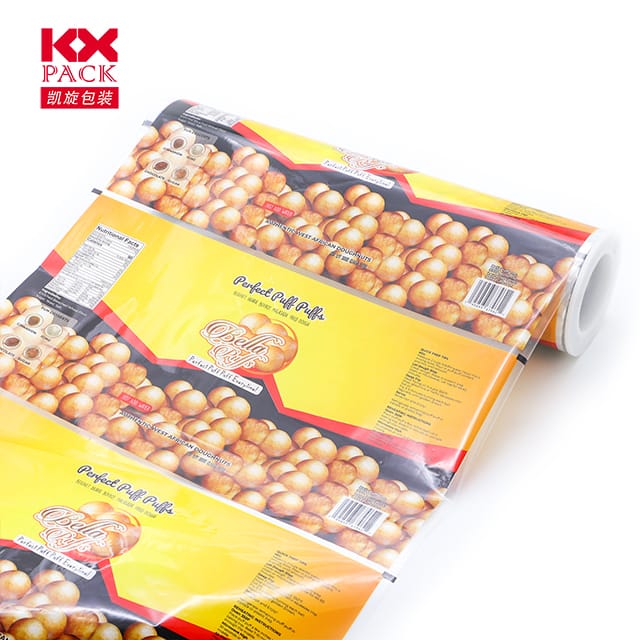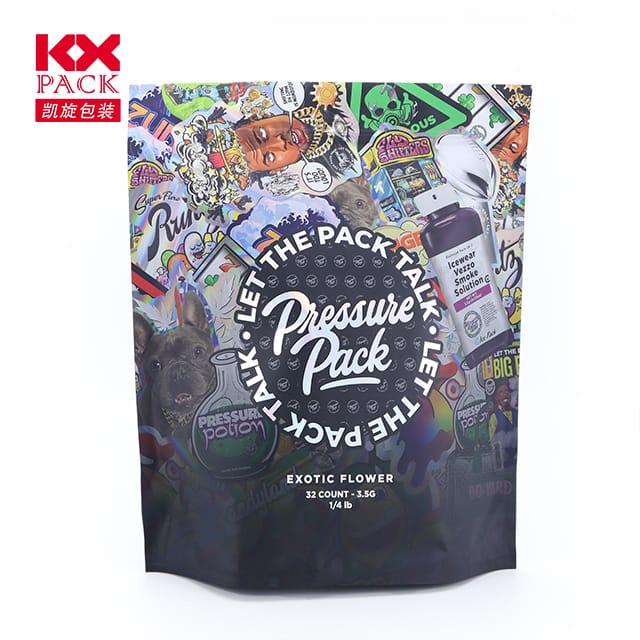
តួនាទី និងការច្នៃប្រឌិតនៃខ្សែភាពយន្តវេចខ្ចប់ប្លាស្ទិកក្នុងឧស្សាហកម្មទំនើប (5)
ខ្សែភាពយន្តវេចខ្ចប់ប្លាស្ទិក
នៅក្នុងពិភពអ្នកប្រើប្រាស់ដែលមានល្បឿនលឿននាពេលបច្ចុប្បន្ននេះ។, ខ្សែភាពយន្តវេចខ្ចប់ប្លាស្ទិក មានគ្រប់ទីកន្លែង ប៉ុន្តែជារឿយៗត្រូវបានគេមើលរំលង. ពីការការពារផលិតផលស្រស់ដល់ការរក្សាគ្រឿងអេឡិចត្រូនិក, ស្តើងទាំងនេះ, សម្ភារៈដែលអាចបត់បែនបានដើរតួនាទីយ៉ាងសំខាន់ក្នុងការការពារផលិតផល, ពង្រីកអាយុកាលធ្នើ, និងកាត់បន្ថយកាកសំណល់. ទោះយ៉ាងណាក៏ដោយ, ក្នុងនាមជាកង្វល់បរិស្ថានម៉ោន, ឧស្សាហកម្មនេះកំពុងវិវឌ្ឍទៅរកតុល្យភាពមុខងារជាមួយនឹងនិរន្តរភាព. ចូរយើងស្វែងយល់ពីវិទ្យាសាស្ត្រ, កម្មវិធី, និងអនាគតនៃខ្សែភាពយន្តវេចខ្ចប់ប្លាស្ទិក.
តើអ្វីជាខ្សែភាពយន្តវេចខ្ចប់ប្លាស្ទិក?
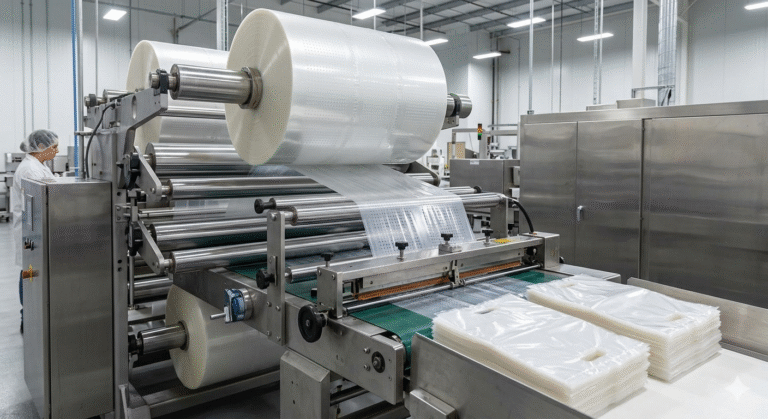
ខ្សែភាពយន្តវេចខ្ចប់ប្លាស្ទិកមានទម្ងន់ស្រាល, វត្ថុធាតុចម្រុះដែលផលិតពីប៉ូលីមែរដូចជាប៉ូលីអេទីឡែន (PE), ប៉ូលីភីលីនលីន (PP), ប៉ូលីវីនីលក្លរ (PVC), ឬ polyester (សត្វពាហនៈ). ពួកវាអាចមានតម្លាភាពឬស្រអាប់, ស្រទាប់តែមួយ ឬច្រើនស្រទាប់, និងត្រូវបានវិស្វកម្មជាមួយនឹងសារធាតុបន្ថែមសម្រាប់លក្ខណៈសម្បត្តិជាក់លាក់ដូចជាធន់នឹងកាំរស្មីយូវី, របាំងសំណើម, ឬថ្នាំកូតប្រឆាំងនឹងឋិតិវន្ត.
លក្ខណៈសំខាន់ៗរួមមាន:
- ភាពបត់បែន: សម្របខ្លួនទៅនឹងរាងមិនទៀងទាត់ (ឧ។, រុំសាច់ស្រស់ ឬបង្អែម).
- លក្ខណៈសម្បត្តិរបាំងឧបសគ្គ: ការពារអុកស៊ីហ្សែន, ចំហាយទឹក។, ឬក្លិនពីផលិតផលដែលខូចគុណភាព.
- ប្រសិទ្ធភាពចំណាយ: ផលិត និងដឹកជញ្ជូនមានតម្លៃថោកជាងការវេចខ្ចប់រឹង.
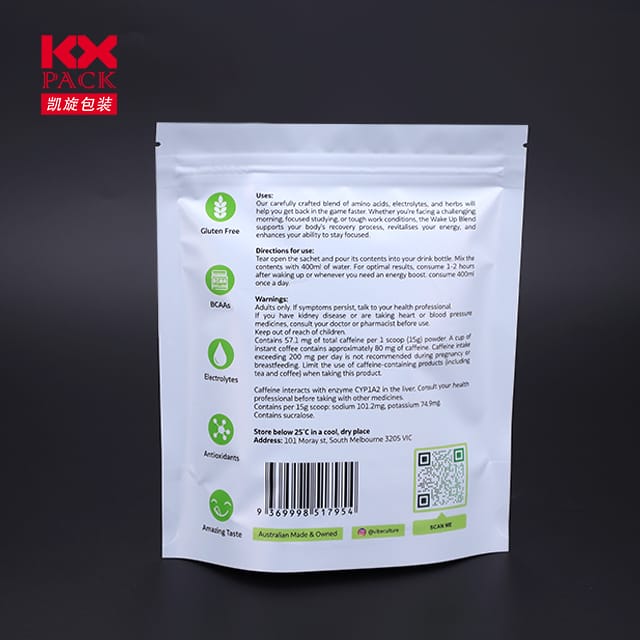
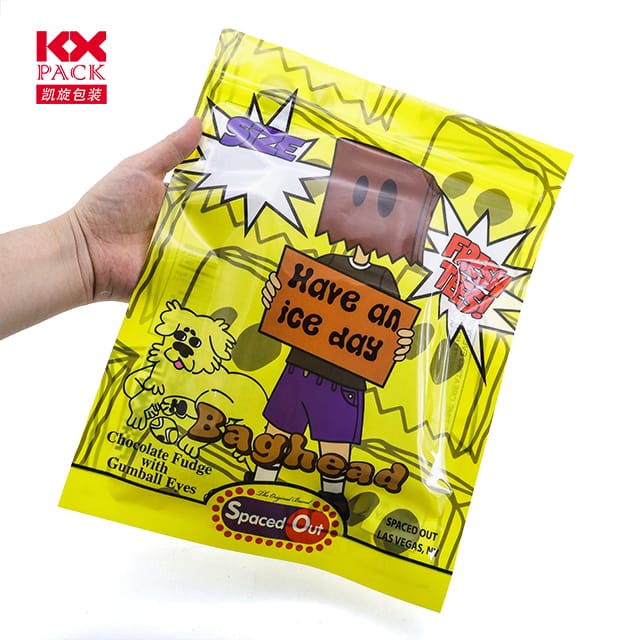
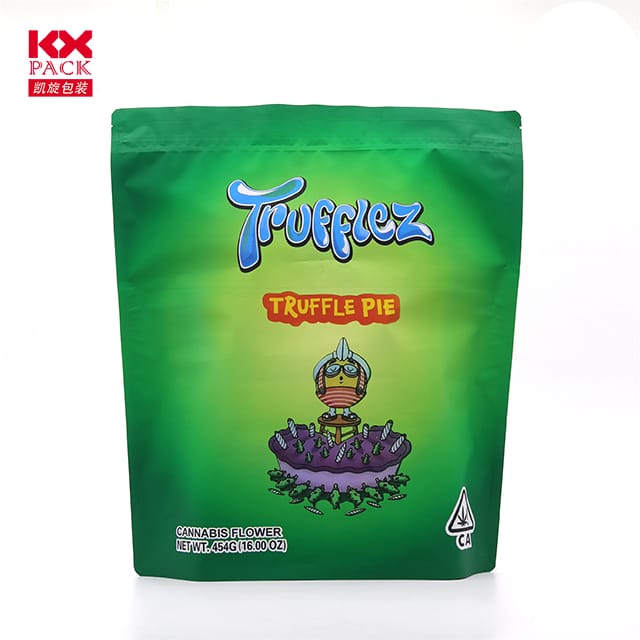
- ដេលផ្លឺការកមបាមង: គាំទ្រម៉ាកយីហោជាមួយនឹងក្រាហ្វិកដែលមានគុណភាពខ្ពស់។.
កម្មវិធីទូទៅនៅទូទាំងឧស្សាហកម្ម
- អាហារ & ផេសច្ជៈ
- ផលិតផលស្រស់: ខ្សែភាពយន្តលាតសន្ធឹងរក្សាភាពស្រស់ថ្លាដោយកាត់បន្ថយការប៉ះពាល់នឹងខ្យល់.
- អាហារសម្រន់: ខ្សែភាពយន្តដែលមានស្រទាប់អាលុយមីញ៉ូមរារាំងពន្លឺ និងអុកស៊ីហ៊្សែនដើម្បីការពារការហៀរសំបោរ.
- អាហារដែលត្រៀមរួចជាស្រេច: ខ្សែភាពយន្តដែលមានរបាំងខ្ពស់ការពារប្រឆាំងនឹងការចម្លងរោគ និងពង្រីកអាយុកាលធ្នើ.
- ឱសថ
- កញ្ចប់ពងបែក: ខ្សែភាពយន្ត Thermoformed ធានានូវភស្តុតាងនៃការរំខាន និងការគ្រប់គ្រងកម្រិតថ្នាំច្បាស់លាស់.
- ឧបករណ៍វេជ្ជសាស្ត្រ: ខ្សែភាពយន្តវេចខ្ចប់គ្មានមេរោគ បំពេញតាមស្តង់ដារអនាម័យតឹងរ៉ឹង.
- ទំនិញប្រើប្រាស់
- អេឡិចត្រូនិច: ខ្សែភាពយន្តប្រឆាំងនឹងឋិតិវន្តការពារសមាសធាតុឆ្ងាញ់ពីការឆក់អគ្គិសនី.
- គ្រឿងសម្អាង: ខ្សែភាពយន្តពហុស្រទាប់រួមបញ្ចូលគ្នានូវភាពធន់នឹងសំណើមជាមួយនឹងសោភ័ណភាពដ៏ប្រណិត.
- នៃឧសសាហកម្ផ
- ការរុំប៉ាឡែត: ខ្សែភាពយន្ដលាតសន្ធឹងធានាទំនិញកំឡុងពេលដឹកជញ្ជូន, កាត់បន្ថយហានិភ័យនៃការខូចខាត.
- សំណង់: ខ្សែភាពយន្តការពារការពារផ្ទៃដូចជាកញ្ចក់ ឬលោហៈពីការកោស.
បញ្ហាប្រឈម និងដំណោះស្រាយបរិស្ថាន
ខណៈពេលដែលខ្សែភាពយន្តប្លាស្ទិកផ្តល់នូវអត្ថប្រយោជន៍ដែលមិនអាចប្រកែកបាន។, ធម្មជាតិប្រើប្រាស់តែមួយរបស់ពួកគេបានបង្កើនការជូនដំណឹងអំពីការបំពុល និងកាកសំណល់កន្លែងចាក់សំរាម. ឧស្សាហកម្មកំពុងឆ្លើយតបជាមួយនឹងដំណោះស្រាយប្រកបដោយភាពច្នៃប្រឌិត:
- ខ្សែភាពយន្តដែលអាចបំបែកបាន និងជីកំប៉ុស
- ផលិតពីប៉ូលីមែរដែលមានមូលដ្ឋានលើរុក្ខជាតិ (ឧ។, អាស៊ីត polylactic, ឬ PLA), ខ្សែភាពយន្តទាំងនេះបំបែកដោយធម្មជាតិក្រោមលក្ខខណ្ឌជាក់លាក់.
- កមរុ: ខ្សែភាពយន្ត PLA ដែលប្រើសម្រាប់សាឡាដស្រស់រលួយនៅក្នុងកន្លែងផលិតជីកំប៉ុសឧស្សាហកម្ម.
- ខ្សែភាពយន្តមាតិកាកែច្នៃឡើងវិញ
- ក្រោយអតិថិជនកែច្នៃឡើងវិញ (ភីអិលស៊ីអេស) សមា្ភារៈកាត់បន្ថយការពឹងផ្អែកលើផ្លាស្ទិចព្រហ្មចារី.
- បញ្ហាប្រឈមរួមមានការរក្សាដំណើរការ ខណៈពេលដែលការបញ្ចូលជ័រដែលកែច្នៃឡើងវិញ.
- បច្ចេកវិទ្យាកែច្នៃកម្រិតខ្ពស់
- ការកែឆ្នៃគីមីបំបែកផ្លាស្ទិចទៅជាម៉ូណូម័រដើមសម្រាប់ប្រើឡើងវិញ, បើកដំណើរការរង្វិលជុំកែច្នៃគ្មានកំណត់.
- ក្រុមហ៊ុនដូចជា Eastman និង BASF កំពុងវិនិយោគយ៉ាងខ្លាំងនៅក្នុងលំហនេះ។.
- ស្តើងជាង, ខ្សែភាពយន្តស្រាលជាងមុន
- ការវាស់វែងចុះក្រោមកាត់បន្ថយការប្រើប្រាស់សម្ភារៈដោយមិនបាត់បង់កម្លាំង.
- កមរុ: ខ្សែភាពយន្តជ័រដែលមានប្រសិទ្ធភាពខ្ពស់ដែលមាន 50% ស្តើងជាង ប៉ុន្តែខ្លាំងជាងជម្រើសប្រពៃណី.
អនាគតនៃខ្សែភាពយន្តវេចខ្ចប់ប្លាស្ទិក
ខណៈដែលបទប្បញ្ញត្តិរឹតបន្តឹង (ឧ។, សេចក្តីណែនាំអំពីការប្រើប្រាស់ផ្លាស្ទិចតែមួយដងរបស់សហភាពអឺរ៉ុប), ឧស្សាហកម្មកំពុងឈានទៅរកគំរូសេដ្ឋកិច្ចរាងជារង្វង់. និន្នាការសំខាន់ៗរួមមាន:
- ខ្សែភាពយន្តឆ្លាត: ឧបករណ៍ចាប់សញ្ញាដែលបានបង្កប់ ត្រួតពិនិត្យភាពស្រស់អាហារ ឬភាពត្រឹមត្រូវនៃផលិតផលក្នុងពេលវេលាជាក់ស្តែង.
- ភាពយន្តដែលអាចបរិភោគបាន។: ផលិតពីគ្រឿងផ្សំធម្មជាតិដូចជាម្សៅ ឬប្រូតេអ៊ីន, ខ្សែភាពយន្តទាំងនេះលុបបំបាត់កាកសំណល់ទាំងស្រុង.
- ប្រព័ន្ធដែលអាចប្រើឡើងវិញបាន: ម៉ាកដូចជា Loop កំពុងសាកល្បងប្រើប្រាស់បានយូរ, ធុងដែលអាចបំពេញបាន តម្រង់ជួរជាមួយខ្សែភាពយន្តដែលអាចកែច្នៃឡើងវិញបាន។.
គន្លឹះអ្នកប្រើប្រាស់: ការបង្កើតជម្រើសប្រកបដោយនិរន្តរភាព
- រកមើលវិញ្ញាបនប័ត្រ: ជ្រើសរើសខ្សែភាពយន្តដែលមានស្លាក "ជីកំប៉ុស" (ឧ។, OK ជីកំប៉ុសផ្ទះ) ឬ "អាចកែច្នៃឡើងវិញបាន" (ពិនិត្យគ្រឿងបរិក្ខារក្នុងស្រុក).
- កាត់បន្ថយកាកសំណល់: ប្រើការវេចខ្ចប់ឡើងវិញសម្រាប់ការរក្សាទុក ឬសិប្បកម្មមុនពេលកែច្នៃឡើងវិញ.
- គាំទ្រម៉ាក: ជ្រើសរើសក្រុមហ៊ុនដែលប្តេជ្ញាចិត្តចំពោះការច្នៃប្រឌិតវេចខ្ចប់ប្រកបដោយនិរន្តរភាព.
សេចក្តីសន្និដ្ឋាន: ការវាយលុកសមតុល្យ
ខ្សែភាពយន្តវេចខ្ចប់ផ្លាស្ទិចគឺមិនអាចខ្វះបាននៅក្នុងខ្សែសង្វាក់ផ្គត់ផ្គង់ទំនើប, ប៉ុន្តែផលប៉ះពាល់បរិស្ថានរបស់ពួកគេទាមទារឱ្យមានវិធានការបន្ទាន់. ដោយការឱបក្រសោបវត្ថុធាតុដើមដែលអាចបំបែកបាន, ការកែច្នៃឡើងវិញ, និងការរចនាឆ្លាតវៃជាងមុន, ឧស្សាហកម្មអាចការពារទាំងផលិតផល និងភពផែនដី.
តើអ្នកយល់យ៉ាងណាចំពោះខ្សែភាពយន្តវេចខ្ចប់ប្លាស្ទិក? ចែករំលែកគំនិត ឬសំណួររបស់អ្នកនៅក្នុងមតិយោបល់ខាងក្រោម—សូមជំរុញការសន្ទនាឆ្ពោះទៅកាន់អនាគតកាន់តែបៃតង! 🌍 📦
ពាក្យគន្លឹះ: ខ្សែភាពយន្តវេចខ្ចប់ប្លាស្ទិក, ការវេចខ្ចប់ប្រកបដោយនិរន្តរភាព, ខ្សែភាពយន្តដែលអាចបំបែកបាន, មាតិកាកែច្នៃ, ការវេចខ្ចប់អាហារ, ខ្សែភាពយន្តឧស្សាហកម្ម.