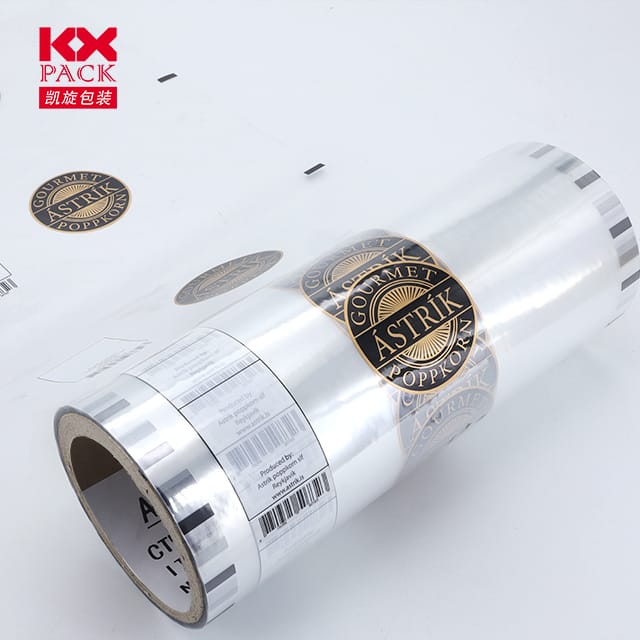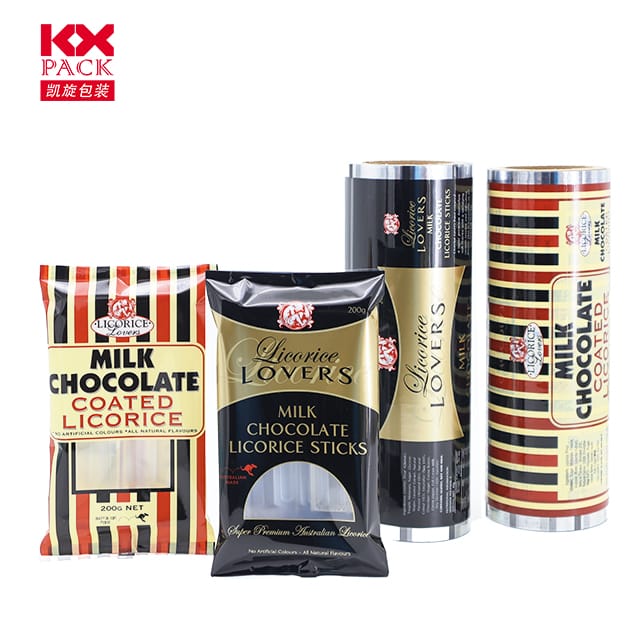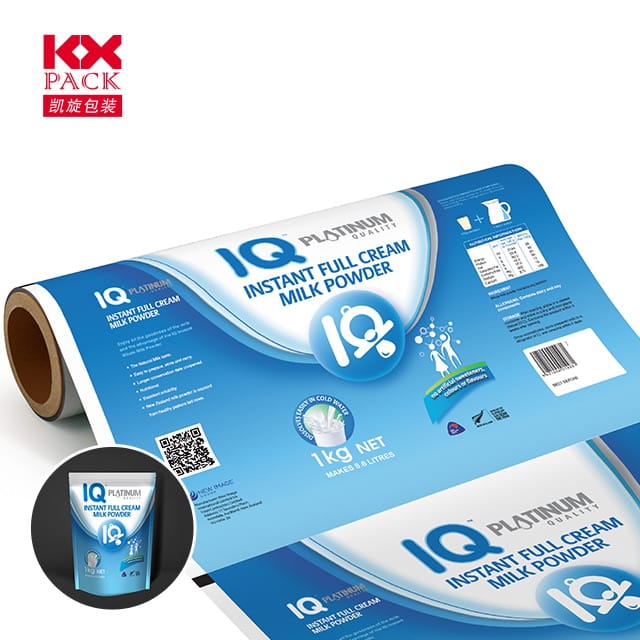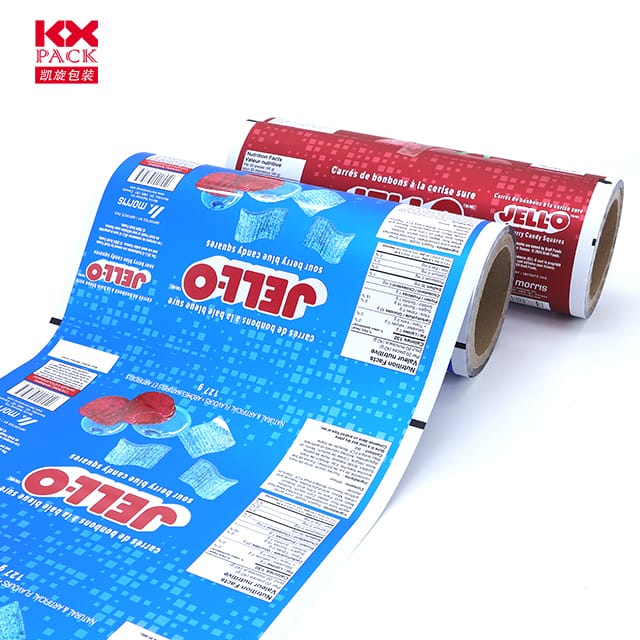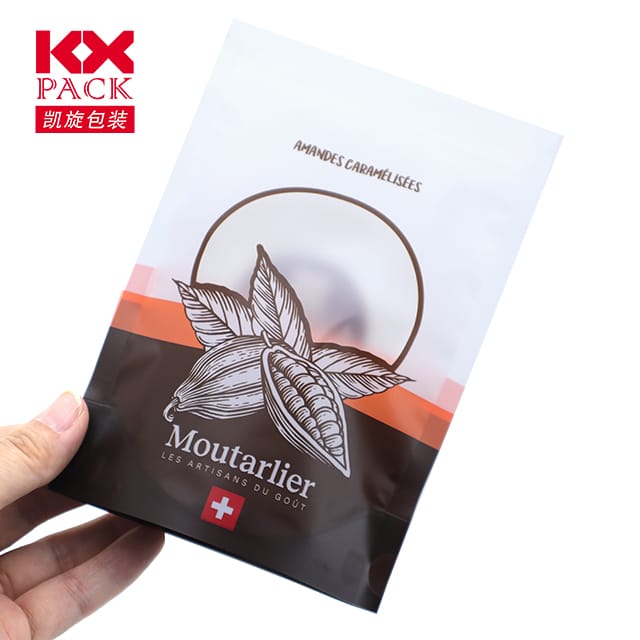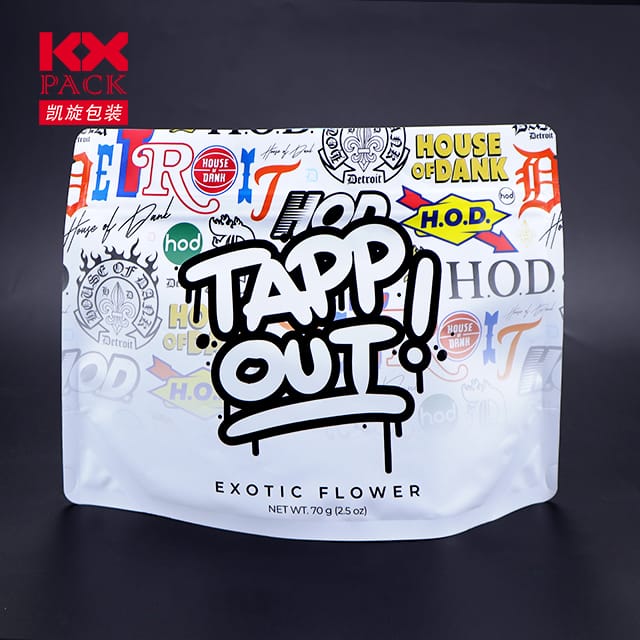
ដាវមុខពីរនៃខ្សែភាពយន្តប្លាស្ទិកសម្រាប់រុំ: ភាពងាយស្រួលធៀបនឹង. ផលប៉ះពាល់បរិស្ថាន (៣)
ខ្សែភាពយន្តប្លាស្ទិចសម្រាប់រុំ
Plastic film is ubiquitous in our lives. ពីហាងលក់គ្រឿងទេសរហូតដល់ឃ្លាំងដឹកជញ្ជូន, សម្ភារៈដ៏សម្បូរបែបនេះរុំ, ការពារ, និងរក្សាអ្វីៗគ្រប់យ៉ាងពីផលិតផលស្រស់ៗ រហូតដល់គ្រឿងអេឡិចត្រូនិចដែលផុយស្រួយ. ប៉ុន្តែនៅពេលដែលការព្រួយបារម្ភអំពីបរិស្ថានកើនឡើង, សំណួរលេចឡើង: តើយើងអាចផ្សះផ្សាភាពងាយស្រួលនៃខ្សែភាពយន្តផ្លាស្ទិចជាមួយនឹងតម្រូវការបន្ទាន់ដើម្បីកាត់បន្ថយកាកសំណល់ប្លាស្ទិក? Let’s unpack the role of plastic film in modern life and explore sustainable alternatives.
Why Plastic Film Dominates Packaging
- ភាពប៉ិនប្រសប់ & ប្រសិទ្ធភាពចំណាយ
ខ្សែភាពយន្តប្លាស្ទិចសម្រាប់រុំ (like polyethylene, រឺ) is lightweight, អាចបត់បែនបាន។, and inexpensive to produce. It can be tailored for various uses—cling wrap, បង្រួមរុំ, bubble wrap, និងច្រើនទៀត. - របាំងការពារ
It shields products from moisture, អុកស៊ីសែន, និងការចម្លងរោគ, extending shelf life and reducing food waste. សម្រាប់អាជីវកម្ម, this means fewer losses and happier customers. - តម្លាភាព & Marketing Appeal
Clear plastic film allows products to be visible, enhancing retail appeal. សម្រាប់អ្នកប្រើប្រាស់, it provides a “see-before-you-buy” advantage.
ការគិតថ្លៃបរិស្ថាន
- មិនអាចបំបែកបាន: Traditional plastic film takes centuries to decompose, contributing to landfills and ocean pollution.
- មីក្រូប្លាស្ទិក: As plastic breaks down, it releases microplastics that contaminate ecosystems and enter the food chain.
- Carbon Footprint: Production relies on fossil fuels, contributing to greenhouse gas emissions.
Stat Alert: The Ellen MacArthur Foundation estimates that by 2050, plastic could outweigh fish in the ocean.
ដំណោះស្រាយច្នៃប្រឌិត & Alternatives
- អាចរំលាយបាន & ខ្សែភាពយន្តជីកំប៉ុស
- PLA (អាស៊ីត polylactic): បានមកពីម្សៅពោត ឬអំពៅ, it decomposes in industrial composting facilities.
- ភីអេអេ (Polyhydroxyalkanoates): A biodegradable plastic produced by microbial fermentation.
- Plant-Based Films
សម្ភារៈដូចជា សែលុយឡូស (from wood pulp) ឬ agar (from seaweed) offer compostable, non-toxic options. - រេក្យងនោស្ថានឡើងវិញ & Recyclable Systems
- ក្រមួនឃ្មុំ: ធម្មជាតិ, washable alternative to cling film.
- Silicon Lids: Durable covers for bowls and containers.
- Returnable Packaging: Some companies are trialing reusable plastic crates or containers.
- ការកែច្នៃគីមី
Emerging technologies break down plastic polymers into raw materials, enabling circular production.
How You Can Make a Difference
- កាត់បន្ថយ: Opt for loose produce, buy in bulk, or choose products with minimal packaging.
- ប្រើឡើងវិញ: Repurpose plastic film for tasks like covering leftovers or protecting plants.
- Recycle: Check local guidelines—some regions accept clean plastic film for recycling.
- Support Eco-Brands: Patronize companies using compostable or recycled materials.
The Future of Plastic Film
While ខ្សែភាពយន្តប្លាស្ទិចសម្រាប់រុំ isn’t going away overnight, progress is underway. Governments are enforcing stricter regulations (ឧ., the EU’s Single-Use Plastics Directive), and industries are investing in greener alternatives. អ្នកប្រើប្រាស់, ផងដែរ។, hold power—by demanding sustainability, we push the market toward innovation.
គំនិតចុងក្រោយ
ខ្សែភាពយន្តប្លាស្ទិចសម្រាប់រុំ has revolutionized packaging, but its environmental cost is undeniable. ដោយទទួលយកជម្រើសជំនួស, recycling wisely, and supporting eco-conscious brands, we can mitigate its impact. Let’s strive for a future where convenience and sustainability aren’t mutually exclusive.
💡សម្រាប់ព័ត៌មានជំនួយ: When recycling plastic film, ensure it’s clean and dry to avoid contamination.
What’s your strategy for reducing plastic film use? Share your tips in the comments!
ពាក្យគន្លឹះ: ខ្សែភាពយន្តប្លាស្ទិកសម្រាប់រុំ, ការវេចខ្ចប់ប្រកបដោយនិរន្តរភាព, biodegradable plastic film, compostable alternatives, reduce plastic waste, ដំណោះស្រាយវេចខ្ចប់ដែលមិនប៉ះពាល់ដល់បរិស្ថាន