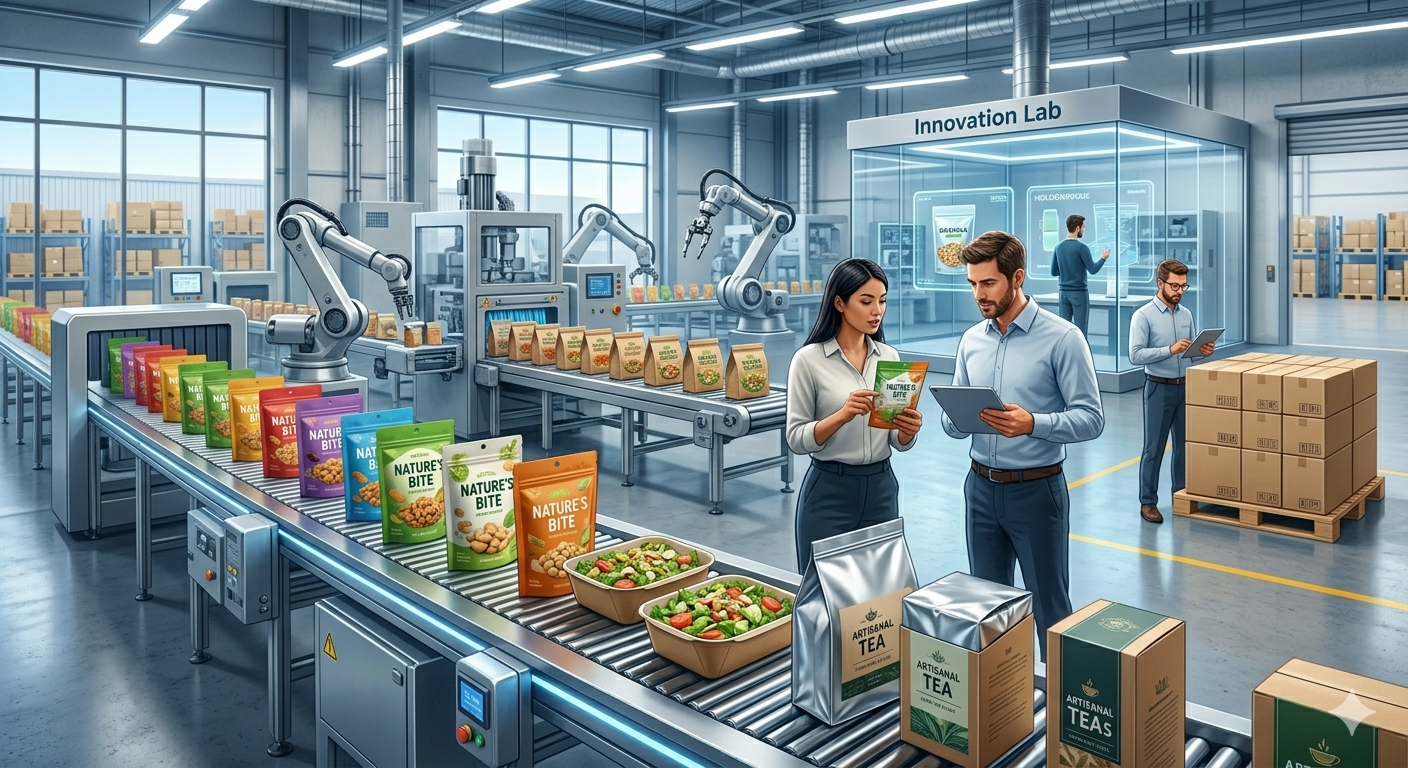
OEM საკვების შეფუთვის მიმწოდებელი: როგორ ავირჩიოთ სწორი პარტნიორი თქვენი ბრენდის ზრდისთვის
კვებისა და სასმელების ინდუსტრიის კონკურენტულ ლანდშაფტში, თქვენი პროდუქტის პირველი შთაბეჭდილება არ არის გემო - ეს არის შეფუთვა. სანდოს პოვნა OEM food packaging supplier is often the “საიდუმლო სოუსი” რომელიც გამოყოფს რთულ სტარტაპს საოჯახო სახელისგან. მაგრამ მხოლოდ ყუთებისა და ჩანთების მიღმა, ორიგინალური აღჭურვილობის მწარმოებელი (OEM) partnership is about scalability, food safety compliance, და ბრენდის იდენტურობა.
What is an OEM Food Packaging Supplier?
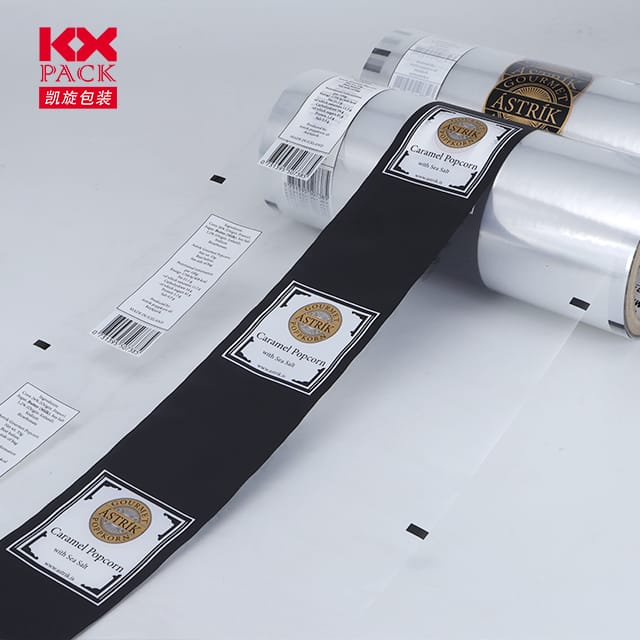
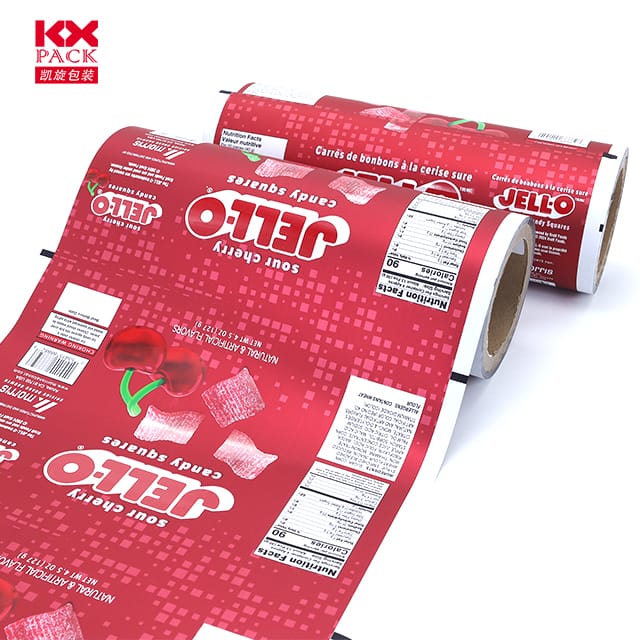
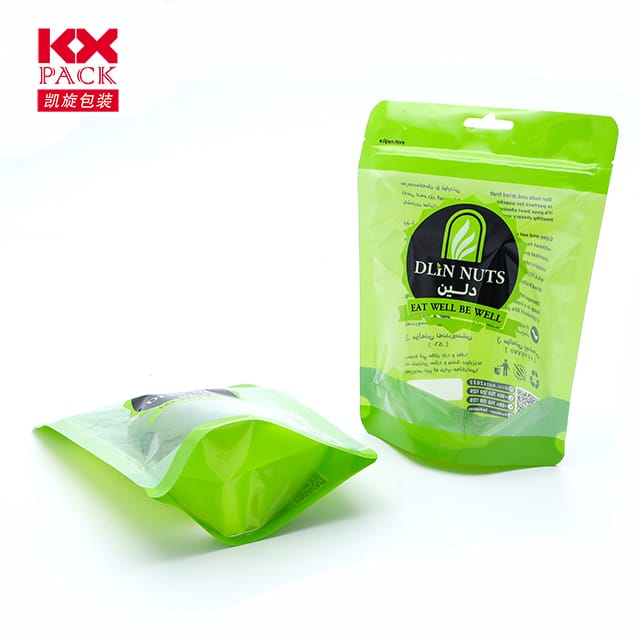
An OEM food packaging supplier is a manufacturer that produces packaging materials based on your specific designs and technical requirements. Unlike buying generic, off-the-shelf containers, the OEM model allows you to customize everything from the chemical composition of the plastic to the tactile feel of the paperboard.
For businesses looking to scale, this relationship is vital. You own the brand and the recipe; the supplier provides the industrial muscle to wrap it safely and attractively.
The Critical Benefits of the OEM Model
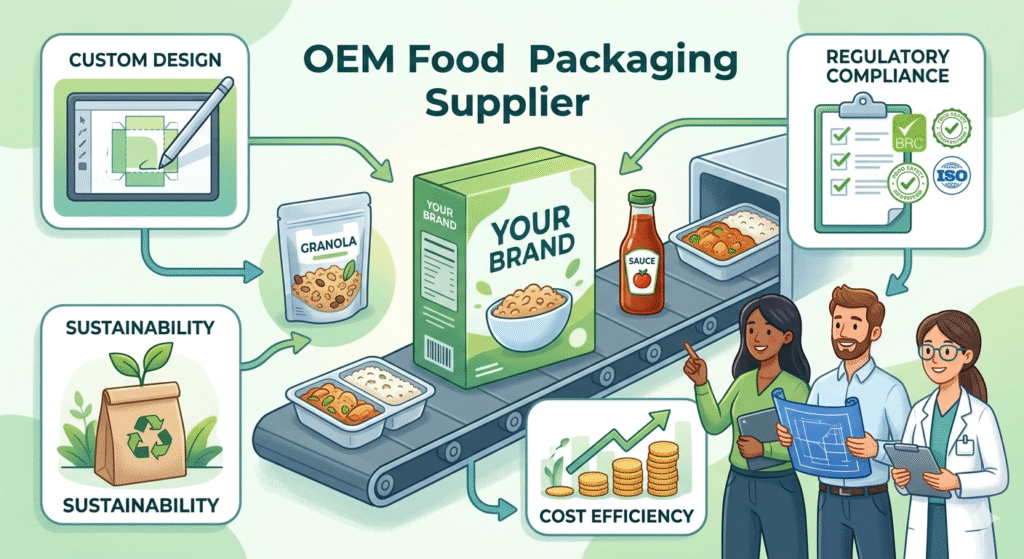
Working with a specialized supplier offers more than just a logo on a bag. Here is why industry leaders prefer the OEM route:
- Cost Efficiency at Scale: By skipping the middleman and working directly with the manufacturer, you benefit from factory-direct pricing.
- Regulatory Peace of Mind: Professional suppliers stay updated on FDA, EFSA, and local food safety certifications (like BRC or ISO 22000), ensuring your packaging won’t cause legal headaches.
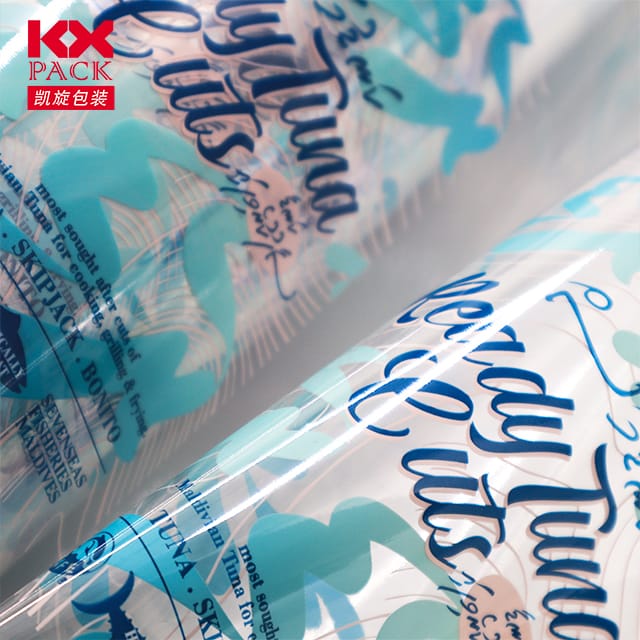
- Technical Customization: Whether you need high-barrier films for shelf stability or biodegradable PLA for eco-conscious consumers, an OEM partner can engineer the specific material science required.
Current Trends Shaping the Packaging Industry
The world of food packaging is shifting rapidly. If your supplier isn’t talking about these three things, you might be falling behind:
1. Sustainability is Non-Negotiable
Consumers are no longer just “asking” for green options; they are demanding them. Modern OEM suppliers are pivoting toward კომპოსტირებადი ფილმები, recycled PET (rPET), და monomaterial laminates that are easier to recycle than traditional multi-layer plastics.
2. ჭკვიანი და აქტიური შეფუთვა
Imagine a package that changes color when the food inside is no longer fresh, or a QR code that tells the customer the exact farm where the ingredients were harvested. ჭკვიანი შეფუთვა is becoming a standard request for high-end OEM projects.
3. Minimalist and “Clean” ესთეტიკა
Less is more. Brands are moving away from cluttered designs toward matte finishes and earthy textures that communicate “natural” და “organic” vibes.
How to Evaluate a Potential OEM Partner
Don’t sign a contract based on price alone. Use this checklist to vet your next OEM food packaging supplier:
| Criteria | What to Look For |
| სერთიფიკატები | ISO, HACCP, and Food Grade Material Certifications. |
| წამყვანი დრო | Can they handle seasonal spikes or urgent re-orders? |
| MOQ (Minimum Order Quantity) | Is their minimum realistic for your current growth stage? |
| R&D Capabilities | Do they have an in-house team to help you troubleshoot design flaws? |
| Prototyping | Will they provide physical samples before the full production run? |
საბოლოო აზრები: Your Package is Your Silent Salesman
Your product might be the best on the market, but if it arrives damaged or looks unprofessional, the consumer experience is ruined. A strategic partnership with a high-quality OEM food packaging supplier ensures that your brand remains consistent, დაცული, and shelf-ready.
As you look toward 2026 და მის ფარგლებს გარეთ, prioritize suppliers who offer transparency, სიახლე, და მდგრადობის ვალდებულება. After all, in the world of food retail, the package is just as important as the product inside.