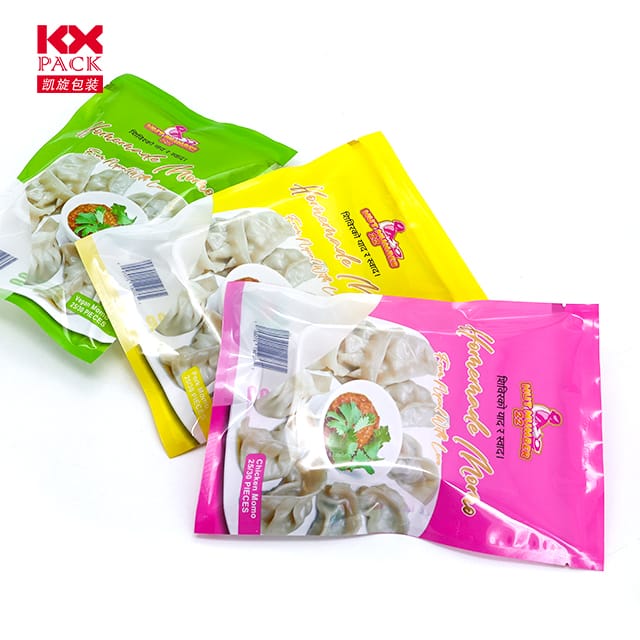
食品包装におけるプラスチックフィルムの諸刃の剣: 利便性 vs. 持続可能性
プラスチックフィルム
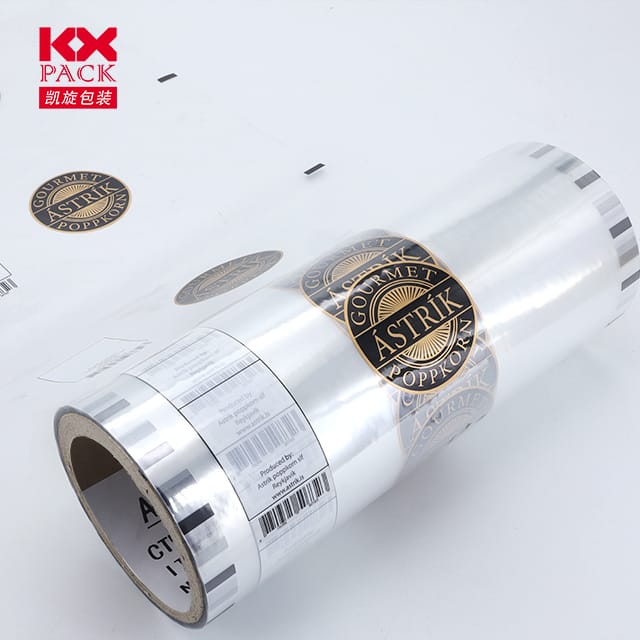
現代のキッチンやスーパーマーケットで, 食品用プラスチックフィルム—一般的にラップとして知られています, サランラップ, またはフードラップ - ステープルになります. 透明です, 伸縮性, また、気密性は、新鮮さを維持するのに理想的です, こぼれを防ぐ, 残り物を包みます. まだ, 環境への懸念が高まる中, このユビキタスなキッチンツールは、精査に直面しています. メリットを探りましょう, 欠点, 食品保管におけるプラスチックフィルムの環境に優しい代替品.
1. なぜプラスチックフィルムが食品包装の主流を占めるのか
- 保存力: プラスチックフィルムが気密シールを作成します, 酸化と細菌の増殖を遅らせる. これにより農産物の賞味期限が延びます, 肉, 数日または数週間単位で調理された食事.
- 汎用性: サンドイッチの包みからボウルのカバーまで, 柔軟性があるため、あらゆる形状に適合します.
- 費用対効果: 1 ロールのコストはわずか数ドルで、数か月持ちます。, 家庭やレストランにとって予算に優しい選択肢になります.
- 衛生: 透明で使い捨て, 完全に洗浄できない可能性がある再利用可能な容器と比較して、二次汚染のリスクが軽減されます。.
2. プラスチックフィルムの環境負荷
その利便性にも関わらず、, プラスチックフィルムは重大な環境問題を引き起こす:
- 非生分解性: ほとんどのプラスチックフィルムはポリエチレンで作られています (PE), 石油ベースの材料で、 500+ 年 分解する.
- マイクロプラスチック汚染: 不当に廃棄した場合, 砕けてマイクロプラスチックとなり、土壌に浸透します。, 水路, そして人間の食物連鎖さえも.
- リサイクルの障壁: 多くの店頭リサイクル プログラムでは、汚染のリスクを理由にプラスチック フィルムを受け入れていません。. のみ 4% 米国の. プラスチックラップは毎年リサイクルされます (EPA, 2021).
- 使い捨ての文化: 平均的な家庭の用途 1,500 ビニール袋/ラップは毎年, そのほとんどは埋め立て地や海洋に行き着きます.
3. 環境に優しいプラスチックフィルムの代替品
良い知らせ? 持続可能なスワップがすぐに利用可能:
あ. 蜜蝋ラップ
- 材料: 蜜蝋をコーティングした綿生地, ホホバオイル, そして木の樹脂.
- 利点: 最長1年間再利用可能, 堆肥化可能な, そして天然の抗菌性.
- 最適な用途: チーズを包む, サンドイッチ, またはボウルを覆う.
- 欠点: ビーガン対応ではなく、熱に近づくと溶けます.
B. シリコンフードカバー
- 材料: 食品グレードのシリコーン (合成ゴム).
- 利点: 食器洗い機対応, 何年も再利用可能, そして耐熱性 (真空調理法に最適).
- 最適な用途: ボウルの上でストレッチ, フライパン, またはハーフカットの農産物.
- 欠点: 前払い料金が高くなる (10–20/セット).
C. 再利用可能な布製カバー
- 材料: 防水裏地付きのコットンまたはリネン (例えば, プル工場).
- 利点: 洗濯機で洗えます, サイズをカスタマイズ可能, 農産物のための通気性.
- 最適な用途: パンの保存, ハーブ, または発酵中に生地を覆う.
D. ガラスまたはステンレス鋼の容器
- 利点: 気密性, 漏れ防止, そして無限にリサイクル可能.
- 最適な用途: 食事の準備, 残り物, そして冷凍庫保管.
4. 今すぐプラスチックフィルムの廃棄物を減らす方法
プラスチックフィルムを完全に廃止する準備ができていない場合でも、, 小さな変化が変化を生む可能性がある:
- 再利用: ラップを優しく洗って乾かし、2〜3回再利用します。.
- リサイクル権: プラスチックフィルムを受け入れられる返却場所については、地域のプログラムを確認してください。 (例えば, 食料品店のゴミ箱).
- まとめ買い: 包装済みの農産物は避ける; 再利用可能なメッシュバッグを店に持ち込む.
- DIY の代替品: 湿らせたペーパータオルを使用して野菜の鮮度を保つか、残り物を瓶に保存します.
5. 食品包装の未来
利便性と持続可能性の橋渡しとなるイノベーションが生まれています:
- 食用フィルム: でんぷんや海藻から作られる, これらのラップは食べたり堆肥化したりできます.
- 植物由来プラスチック: トウモロコシやサトウキビ由来の生分解性フィルムが市場に参入.
- スマートなパッケージング: フィルムに埋め込まれたセンサーが食品の腐敗をすぐに検出できるようになる, 無駄を減らす.
最終的な考え: バランスが鍵
食品の安全性と保存におけるプラスチックフィルムの役割は否定できません, しかし、その環境への影響には行動が必要です. 可能であれば再利用可能な代替品を選択し、プラスチックを責任を持って廃棄することにより、, 私たちは食事と地球の両方を守ることができます.
プラスチックフィルムの代替品として最適なものは何ですか? 以下のコメント欄でヒントを共有してください。持続可能な交換を行うためにお互いにインスピレーションを与えましょう! 🌍🥪
情報源: EPA, ナショナル ジオグラフィック, Treehugger のようなサステナビリティに関するブログ.