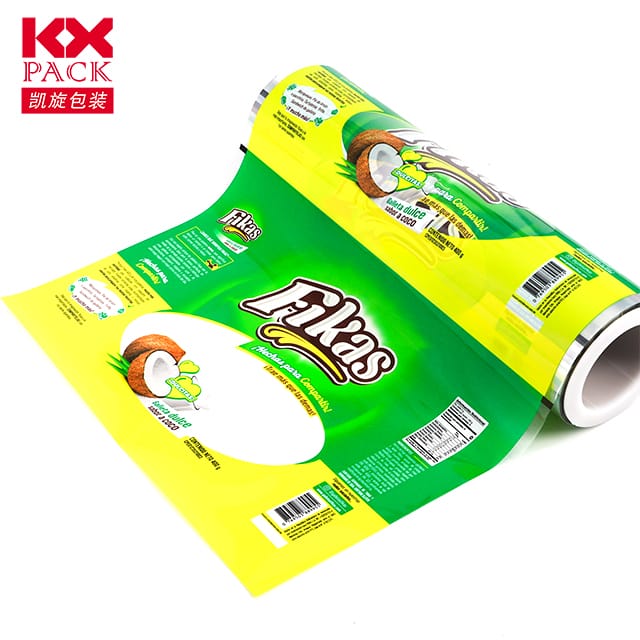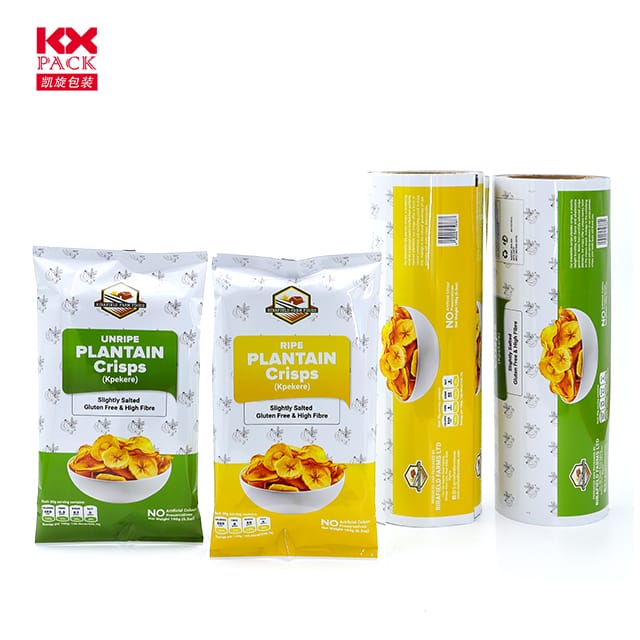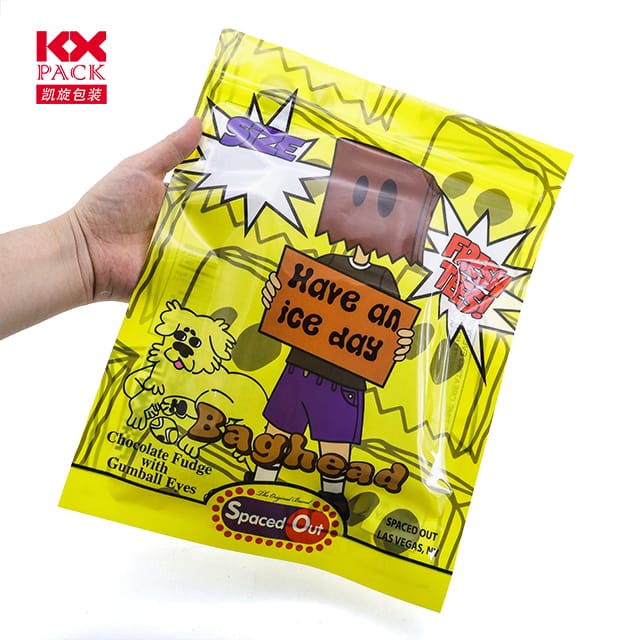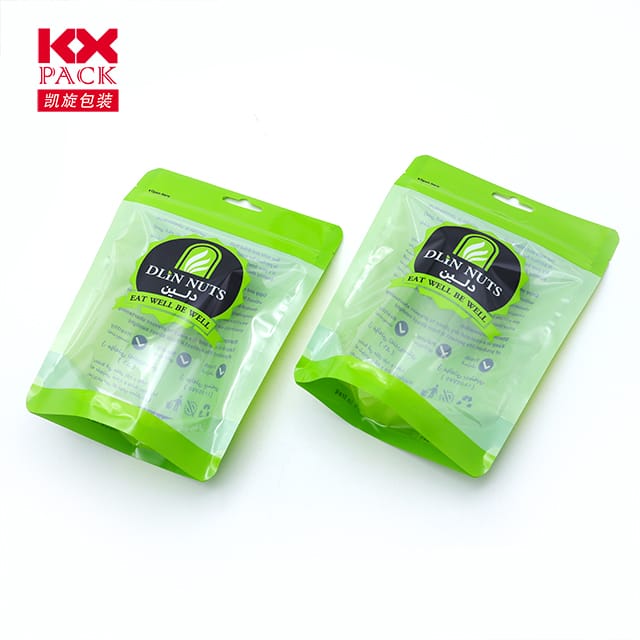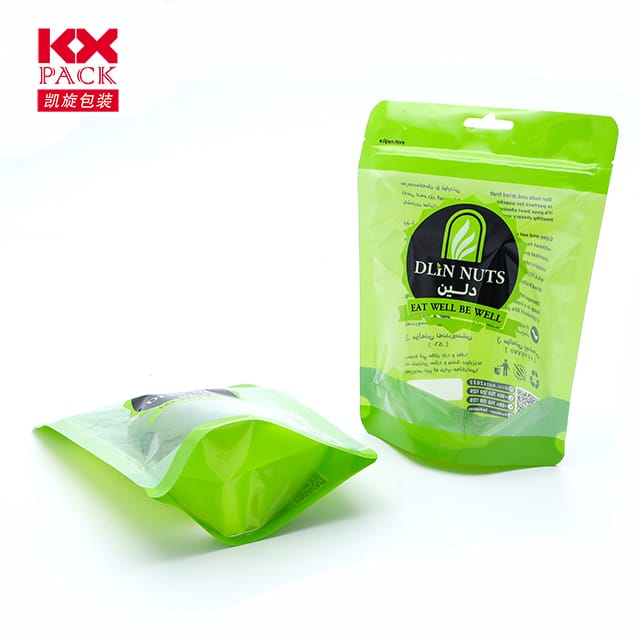
パッケージングフィルムの未来: イノベーション, 持続可能性, そして(2)
パッケージングフィルム
導入
持続可能性と機能性が重要な世界, パッケージングフィルムは、製品の保護に重要な役割を果たします, 棚の魅力の強化, 環境への影響を軽減します. 食品の保存から医薬品の安全性まで, これらは薄い, 柔軟な材料は、多様なニーズを満たすために設計されています. しかし、プラスチック廃棄物に対する懸念が高まり、消費者の要求が進化することで, 包装フィルムの未来は革命の準備が整っています. 最新のトレンドを探りましょう, イノベーション, このダイナミックな業界を形作る課題と課題.
1. 包装フィルムの種類: 入門書
包装フィルムにはさまざまな形状があります, それぞれが特定の用途に合わせてカスタマイズされている:
- プラスチックフィルム: 従来のポリエチレン (PE), ポリプロピレン (PP), 耐久性と費用対効果の点で、PVC が主流です。.
- 生分解性フィルム: 植物由来のポリマーから作られています (例えば。, 人民解放軍, PHA) または堆肥化可能な材料, これらにより埋め立ての負担が軽減されます.
- バリアフィルム: 湿気をブロックするように設計されています, 酸素, または紫外線, 傷みやすいものや敏感な電子機器に最適.
- シュリンクフィルム: 熱活性化により製品の周囲にしっかりと密着し、改ざんの証拠と製品の安定性を実現します。.
- 専門映画: 曇り止めを含む, 抗菌性, またはニッチな用途向けの導電性コーティング.
2. 需要を牽引する主要産業
- 食べ物 & 飲料: 保存期間を延長します, 衛生を確保します, 部分制御を可能にします. スナックパックを考える, 生鮮食品のラップ, そしてドリンクポーチも.
- 健康管理: 医療機器の滅菌包装, 医薬品, および点滴バッグ.
- eコマース: 耐久性のあるフィルムが配送中に商品を保護し、開梱体験を向上させます.
- エレクトロニクス: 静電気防止フィルムが傷つきやすい部品を保護します.
3. 持続可能性: 新たなフロンティア
環境に優しいソリューションを求める世界的な動きが、包装フィルムの状況を再構築しています:
- バイオプラスチック & 堆肥化可能: ダノンやネスレなどのブランドは、乳製品や水のボトルに PLA ベースのフィルムを採用しています.
- 循環経済モデル: 使用済み廃棄物から作られたリサイクル可能なフィルム (PCR) バージンプラスチックの使用を削減する.
- 化学リサイクル: 新しい技術は、混合プラスチックを新しいフィルムの原料に分解します。.
- 規制圧力: EU の使い捨てプラスチック指令および世界中の同様の政策により、リサイクル不可能なフィルムが段階的に廃止されています.
4. イノベーションのハイライト
- スマートなパッケージング: センサーやQRコードを埋め込んだフィルムで鮮度を追跡, 温度, または真正性.
- アクティブなパッケージ: 防腐剤を放出する (例えば。, 抗酸化物質) 食品の賞味期限を延ばすために.
- ナノテクノロジー: 抗菌効果のためのナノクレイまたは銀ナノ粒子でバリア特性を強化します。.
- 3D 印刷: カスタマイズ可能, オンデマンド包装により材料の無駄を削減.
5. 課題と機会
- コスト対. 持続可能性: 生分解性フィルムは従来のプラスチックより高価です. 生産規模を拡大すればコストを削減できる可能性がある.
- インフラストラクチャのギャップ: 先端フィルムのリサイクル設備 (例えば。, 多層バリア) 限られている.
- 消費者教育: ラベルの明確化 (例えば。, “家庭用堆肥化可能” 対. “工業的に堆肥化できる”) グリーンウォッシングを防止します.
結論
包装フィルムはもはや保護だけを目的とするものではなく、イノベーションを目的としています, 責任, そして回復力. 業界がパフォーマンスと地球に優しい実践のバランスをとる中、, より多くのハイブリッド素材が登場する可能性があります, 閉ループシステム, テクノロジー主導のソリューション. 企業向け, 持続可能な包装への投資は倫理的なだけでなく、進化する規制や消費者の好みに対応するための戦略的な動きです.
よくある質問
- 生分解性フィルムは本当に環境に優しいのか? はい, ただし、産業用堆肥化施設で処分される場合に限ります。.
- リサイクルフィルムはバージンプラスチックの性能に匹敵するか? PCR技術の進歩により差は縮まりつつある.
- 包装用フィルムの次の目玉は何ですか? 食べられるフィルムに注目 (例えば。, 海苔ベースのラップ) そして自己修復素材.
包装フィルムの未来は明るい, フレキシブル, そしてますます緑が増えます. この分野でどのようなイノベーションを期待しますか? 以下であなたの考えを共有してください! 🌱📦