食品グレードのプラスチックフィルム: 安全へのガイド, 持続可能性, キッチンでの賢い使い方
食品グレードのプラスチックフィルム
食品グレードのプラスチックフィルム
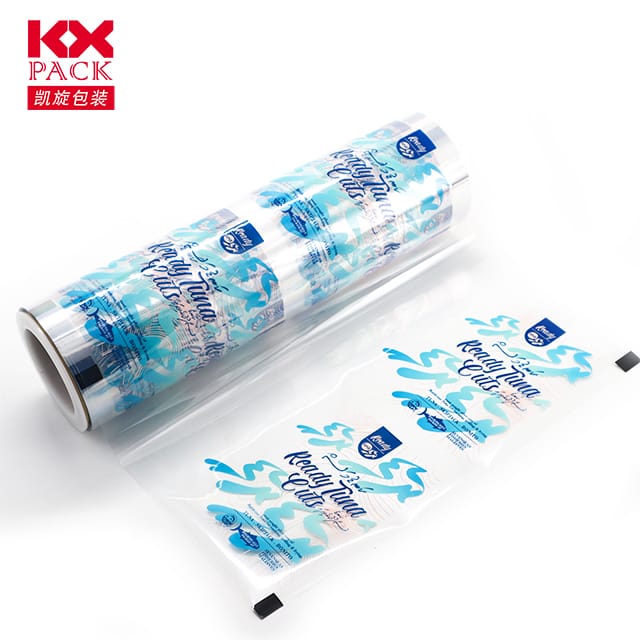
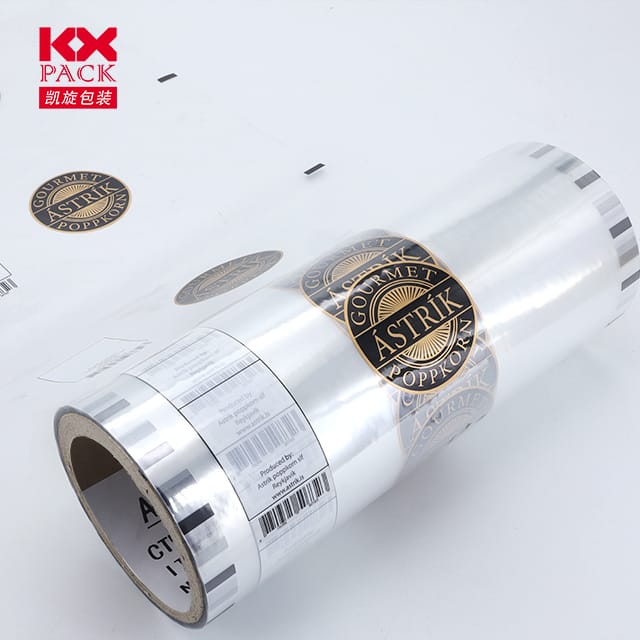
モダンなキッチンで, フードグレードのプラスチックフィルム—一般的にラップとして知られています, サランラップ, または食品ラップ - 鮮度を保つための必需品, こぼれを防ぐ, そして残り物を梱包する. しかし、プラスチックの安全性と環境への影響に対する懸念が高まっている, 消費者も企業も同様に、この多用途素材の使用方法を再考しています。. サンドイッチを包むときも、, 肉のマリネ, または農産物を保管する, 食品グレードのプラスチックフィルムについて知っておくべきことはすべてここにあります, 安全基準から環境に優しい代替品まで.
1. プラスチックフィルムが「食品グレード」である理由?
すべてのプラスチックが同じように作られているわけではありません。食品グレードのプラスチックフィルム 食品や飲料に有害な化学物質が浸入しないことを保証する厳格な安全規制を満たすように特別に製造されています。. 主な特徴は次のとおりです。:
- 非毒性物質: のようなプラスチックで作られています ポリエチレン (PE) または ポリ塩化ビニリデン (PVDC), 安定していて酸に強い, 油, と水分.
- 規格への準拠: などの機関によって認定されています。 FDA (私たち. 食品医薬品局) または EFSA (欧州食品安全当局) 食品と直接接触する場合.
- 耐熱性: 一部のフィルムは電子レンジ対応です (ラベルをチェックする!) 溶けたり変形したりせずに食事を温め直すのに.
2. 食品グレードのプラスチックフィルムの一般的な用途
家庭料理から業務用厨房まで, この素材は複数の目的に役立ちます:
- 鮮度を保つ: ラップフルーツ, 野菜, またはチーズを使用して保存期間を延ばし、酸化を防ぎます.
- 肉のマリネ: 気密シールを作成して、こぼれることなくフレーバーを注入します.
- 真空調理法: 正確な温度制御のために真空密封バッグまたは互換性のあるフィルムと併用してください。.
- 皿を覆う: サラダや生地の入ったボウルをほこりや虫から守ります.
- 部分制御: 食事の準備や外出先での軽食用に、1食分をパッケージ化します.
3. 安全上の懸念: プラスチックフィルムは安全ですか?
食品グレードのプラスチックは一般に安全ですが、, 誤用はリスクを引き起こす可能性があります:
- 高温を避ける: 電子レンジ非対応のフィルムをオーブンやグリルで使用しないでください。, 有毒ガスが発生する可能性があるため.
- プラスチック・オン・プラスチックをスキップする: 脂っこい食べ物や油っぽい食べ物を低品質のフィルムで長時間包まないでください。, 化学物質のような フタル酸エステル類 または BPA (古いプラスチックでは) かもしれない 浸出する (ただし、最新の食品グレードのフィルムは通常 BPA フリーです。).
- ラベルを確認する: 「電子レンジ対応」のようなフレーズを探してください。,「FDA承認済み」,」または「PVDC フリー」 (環境に配慮した選択のために).
4. 環境への影響: 持続可能な代替案の推進
プラスチック廃棄物は世界的な危機です, 従来のラップは問題の一因となります. 業界はどのように適応しているのか:
あ. 生分解性および堆肥化可能なフィルム
- のような植物ベースの材料で作られています コーンスターチ, セルロース, または サトウキビ, これらのフィルムは堆肥化施設内で自然に分解されます。.
- ブランド例: バイオバッグ, タイプ, If You Care では、認定された堆肥化可能なラップを提供しています.
B. 再利用可能なオプション
- 蜜蝋ラップ: 蜜蝋をコーティングした綿生地, ホホバオイル, 樹脂 - 最長 1 年間再利用可能.
- シリコンフードカバー: 耐久性のある, 食器洗い機対応, ボウルや容器の気密性を高めます。.
- ガラスまたはステンレス鋼の容器: 残り物や食事の準備のための廃棄物ゼロの保管場所.
C. リサイクル可能なプラスチック
- 一部の PE ベースのフィルムは、参加する食料品店でビニール袋と一緒にリサイクルできます (リサイクル率は依然として低いものの、).
5. 適切な食品グレードのプラスチックフィルムの選び方
買い物をするときはこれらの要素を考慮してください:
- 厚さ: より厚いフィルム (例えば, 12–15ミクロン) 過酷な使用に対してより耐久性があります.
- しがみつき: 粘着力の高いフィルムは表面によく貼りつきます, 緩んだラップによる廃棄物の削減.
- 幅と長さ: ニーズに合ったロールをお選びください (例えば, サンドイッチ用の細ロール, 皿を覆うための幅広のロール).
- エコ認証: 次のようなロゴを探してください OK堆肥 または TüvAstria 生分解性の主張について.
6. 時代をリードするトップブランド
- ハッピークリングラップ: BPAフリーでおなじみのブランド, 電子レンジ対応オプション.
- サランプレミアムラップ: 超強力な粘着力と耐突き刺し性で知られています.
- ストレッチタイト: その長さと価値によりケータリング業者に好まれる商用グレードのフィルム.
- 環境に優しいおすすめ商品:
- アベゴ: 楽しい模様に包まれた蜜蝋.
- スタッシャー: 複数のサイズの再利用可能なシリコンバッグ.
7. キッチンでのプラスチック廃棄物を減らすためのヒント
- 賢く食事の準備をする: 個別に包装する代わりにガラス容器を使用する.
- まとめ買い: 穀物やナッツなどの乾物は再利用可能な瓶に入れて梱包を最小限に抑えます.
- DIY 蜜蝋ラップ: 綿生地を使って自分で作ってみる, 蜜蝋ペレット, そしてアイロン.
- 堆肥スクラップ: 避けられない食品廃棄物には生分解性フィルムを使用.
8. 食品グレードのプラスチックフィルムの未来
イノベーションが持続可能なソリューションを推進:
- 食用フィルム: 海藻やでんぷんから作られる, これらのラップは安全に摂取できます (まだニッチですが).
- スマートなパッケージング: 食品の鮮度をリアルタイムで監視するセンサーを埋め込んだフィルム.
- 藻類ベースのプラスチック: 石油ベースの材料に代わる再生可能な代替品.
結論
食品グレードのプラスチックフィルム 食品を安全かつ新鮮に保つための便利なツールであり続けます, しかし、その環境負荷には注意して使用する必要があります. 認定された安全な製品を選択することで, 再利用可能な代替品を模索する, 環境に優しいブランドをサポート, 自分の健康と地球の両方を守ることができます.
残り物を保存するための主な方法は何ですか? 以下のコメント欄でヒントやお気に入りの持続可能な交換品を共有して、プラスチックをなくすようお互いに刺激し合いましょう! 🌱🍴
ヒントの場合: プラスチックフィルムロールを冷蔵庫に保管すると、静電気によるまとわりつきが軽減され、扱いやすくなります。!