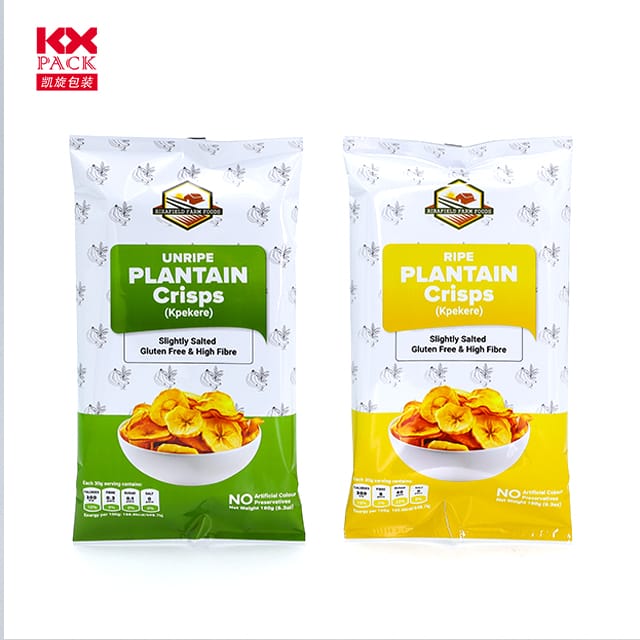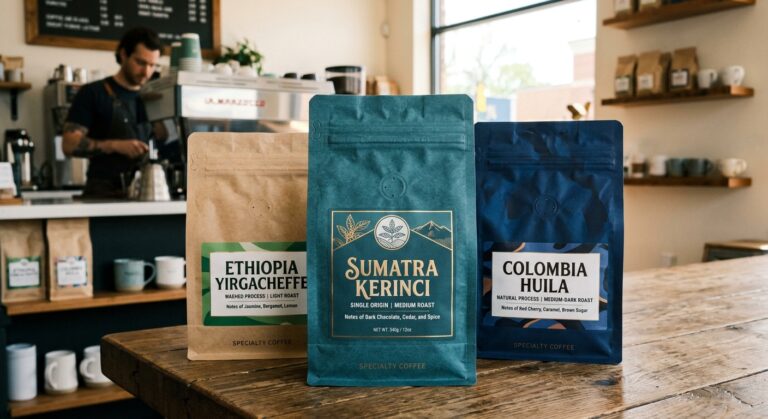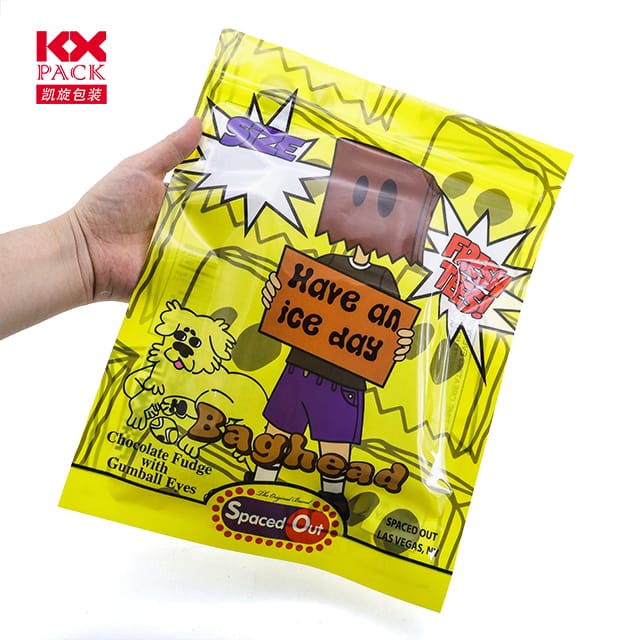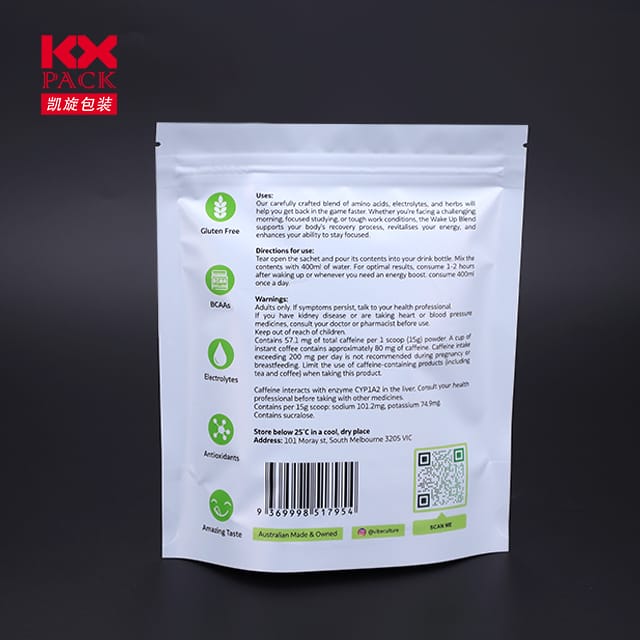
Peran Penting dan Kepedulian Lingkungan Film Plastik untuk Kemasan Makanan
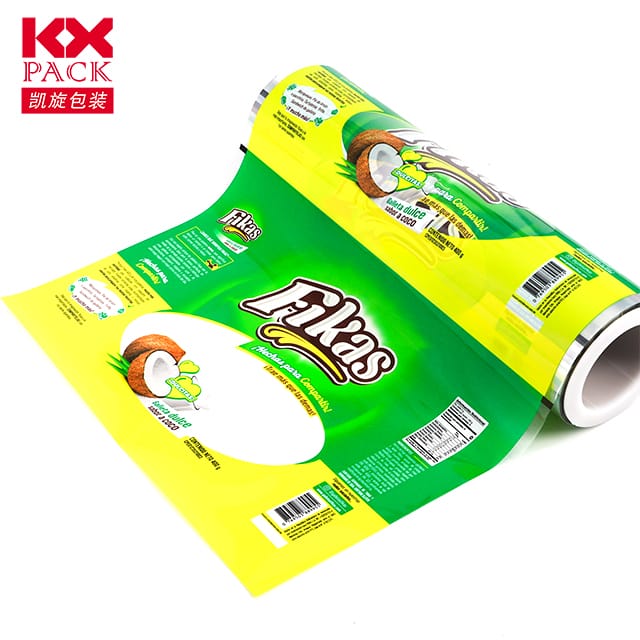
Film Plastik
Di dunia modern, plastik untuk kemasan makanan sudah menjadi bagian tak terpisahkan dalam kehidupan kita sehari-hari. Dari rak supermarket hingga dapur rumah kita, bahan serbaguna ini memainkan peran penting dalam menjaga kualitas makanan, memperpanjang umur simpan, dan mengurangi sampah makanan. Namun, seiring dengan meningkatnya popularitasnya, begitu pula kekhawatiran mengenai dampak lingkungannya. Mari selami dua sifat film plastik untuk makanan—manfaat dan tantangan yang ditimbulkannya.
Manfaat Film Plastik untuk Makanan
- Pelestarian dan Kesegaran
Plastik bertindak sebagai penghalang terhadap oksigen, kelembaban, dan kontaminan, secara signifikan memperlambat proses pembusukan. Itu menyimpan buah, Sayuran, daging, dan makanan yang dipanggang lebih segar lebih lama, mengurangi kebutuhan untuk sering berbelanja dan meminimalkan sisa makanan di rumah. - Kenyamanan dan Kebersihan
Makanan kemasan yang dibungkus dengan film menawarkan kenyamanan yang tak tertandingi bagi konsumen yang sibuk. Mereka juga memastikan kebersihan dengan melindungi makanan dari kontaminan fisik dan kontaminasi silang selama transportasi dan penyimpanan. - Efektivitas Biaya
Untuk produsen dan pengecer, film plastik adalah solusi pengemasan yang terjangkau dan ringan. Biaya rendah dan daya tahannya menjadikannya ideal untuk produksi dan distribusi massal, membantu menjaga harga pangan tetap stabil. - Keserbagunaan
Tersedia dalam berbagai bentuk (misalnya, bungkus melekat, Bungkus menyusut, kantong bersegel vakum), film plastik beradaptasi dengan jenis makanan dan kebutuhan pengemasan yang berbeda. Transparansinya juga memungkinkan konsumen memeriksa produk sebelum membeli.
Kelemahan Lingkungan
Terlepas dari kelebihannya, film plastik untuk kemasan makanan bukannya tanpa kelemahan:
- Non-Biodegradabilitas
Kebanyakan film terbuat dari polietilen (PE) atau polipropilena (hal), yang membutuhkan waktu ratusan tahun untuk terurai. Hal ini menyebabkan polusi jangka panjang di tempat pembuangan sampah, lautan, dan ekosistem. - Tantangan Daur Ulang
Meskipun beberapa film dapat didaur ulang, banyak yang berakhir di aliran limbah tercampur karena kontaminasi atau kurangnya infrastruktur daur ulang yang memadai. Film tipis, secara khusus, sering menyumbat mesin sortir di fasilitas daur ulang. - Polusi Mikroplastik
Ketika film plastik terdegradasi, itu terurai menjadi mikroplastik yang menyusup ke tanah, air, dan rantai makanan. Partikel-partikel kecil ini menimbulkan risiko kesehatan bagi manusia dan satwa liar. - Budaya Sekali Pakai
Kenyamanan dari film plastik sekali pakai mendorong budaya membuang, memperburuk polusi plastik global.
Alternatif dan Solusi Berkelanjutan
Mengatasi dampak lingkungan dari film memerlukan pendekatan multi-cabang:
- Film Biodegradable dan Kompos
Inovasi dalam bioplastik, seperti PLA (asam polilaktat) berasal dari pati jagung atau film berbahan dasar alga, menawarkan alternatif ramah lingkungan. Bahan-bahan ini terurai secara alami di fasilitas pengomposan industri. - Sistem Pengemasan yang Dapat Digunakan Kembali
Merek sedang menjajaki wadah yang dapat digunakan kembali, bungkus makanan silikon, dan bungkus lilin lebah sebagai pengganti film plastik sekali pakai yang ramah lingkungan. - Peningkatan Infrastruktur Daur Ulang
Pemerintah dan industri harus berinvestasi dalam teknologi daur ulang yang lebih baik dan pendidikan konsumen untuk meningkatkan tingkat daur ulang film plastik. - Pengemasan yang Dikurangi
Desain kemasan minimalis dan pilihan pembelian dalam jumlah besar dapat mengurangi penggunaan film plastik tanpa mengorbankan keamanan pangan. - Intervensi Kebijakan
Larangan atau pajak terhadap plastik sekali pakai, ditambah dengan insentif untuk pengemasan yang berkelanjutan, dapat mendorong pergeseran pasar ke arah alternatif yang lebih ramah lingkungan.
Tanggung Jawab Konsumen
Sebagai individu, kita juga bisa membuat perbedaan:
- Pilihlah produk dengan kemasan minimal atau ramah lingkungan.
- Gunakan kembali film plastik jika memungkinkan (misalnya, untuk menyimpan sisa makanan).
- Berpartisipasi dalam program daur ulang lokal dan dukung pengelolaan limbah yang lebih baik.
- Dukung merek yang berkomitmen terhadap keberlanjutan.
Kesimpulan
Film plastik untuk kemasan makanan adalah pedang bermata dua—penyelamat bagi pengawetan makanan namun merupakan ancaman bagi planet ini. Mencapai keseimbangan antara kenyamanan dan keberlanjutan memerlukan inovasi, perubahan kebijakan, dan tindakan kolektif. Dengan merangkul alternatif, meningkatkan daur ulang, dan mengurangi limbah, kita dapat menikmati manfaat film plastik tanpa mengorbankan kesehatan lingkungan kita. Masa depan pengemasan makanan terletak pada cara yang lebih cerdas, solusi yang lebih ramah lingkungan—dan hal ini dimulai dari diri kita sendiri.
Apa pendapat Anda tentang film plastik untuk makanan? Bagikan tips Anda untuk mengurangi sampah plastik di kolom komentar di bawah! 🌍🥦