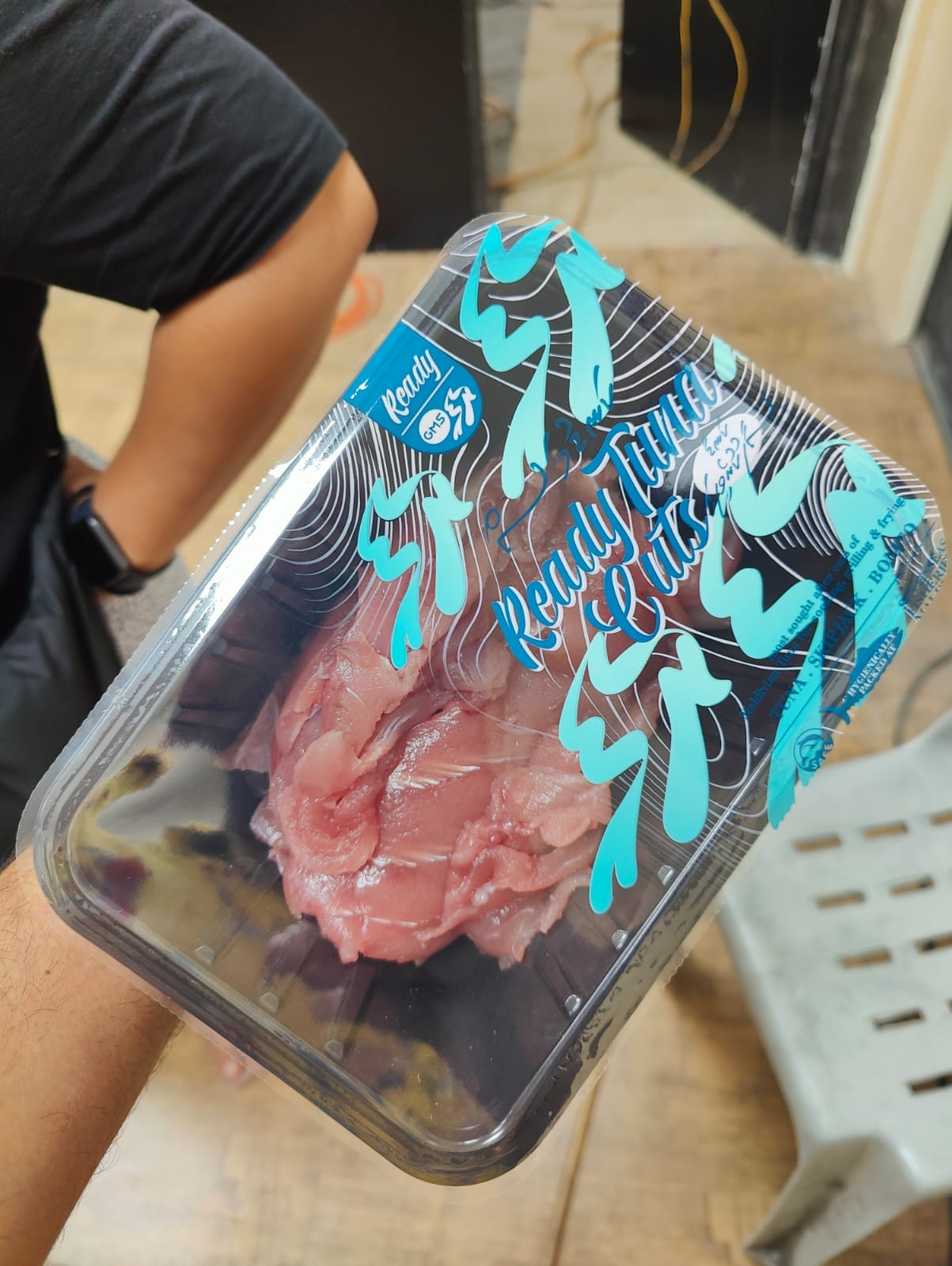
Evolusi dan Dampak Kemasan Film Fleksibel: Revolusi Berkelanjutan(6)
Film Fleksibel
Di era dimana keberlanjutan, kenyamanan, dan inovasi mendorong solusi pengemasan, Kemasan film yang fleksibel has emerged as a cornerstone of modern industry. Dari makanan dan obat-obatan hingga barang elektronik konsumen, bahan-bahan yang mudah beradaptasi ini mengubah cara produk dilindungi, diangkut, dan disajikan. Mari kita jelajahi dinamikanya, tren, dan potensi masa depan dari sektor yang dinamis ini.
What Are Flexible Films Packaging?
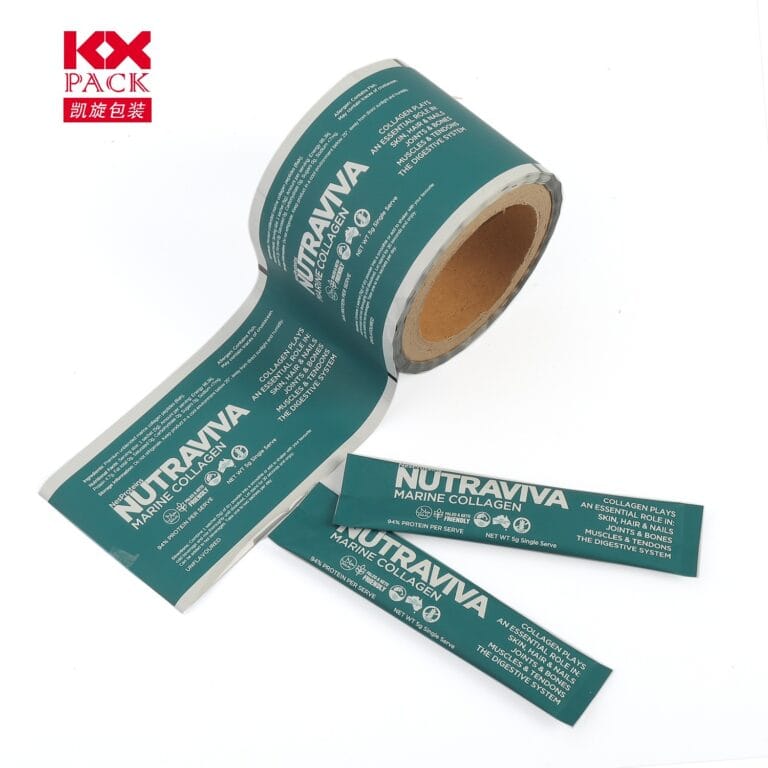
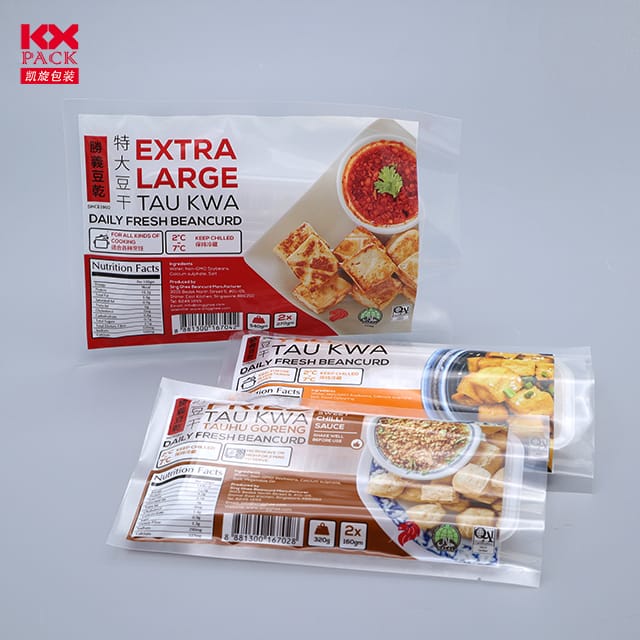
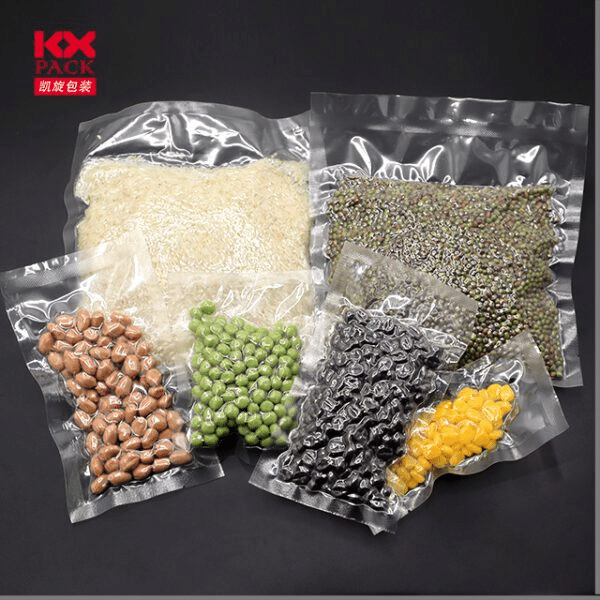
Flexible films packaging refers to lightweight, non-rigid materials used to encase products. Unlike traditional rigid containers, these films—often composed of polymers like polyethylene (PE), polipropilena (hal), or multi-layer composites—conform to the shape of their contents, minimizing waste and optimizing space.
Karakteristik utamanya meliputi:
- Ringan & Tahan lama: Mengurangi biaya pengiriman dan jejak karbon.
- Properti Penghalang: Melindungi dari kelembapan, oksigen, dan ringan, memperpanjang umur simpan.
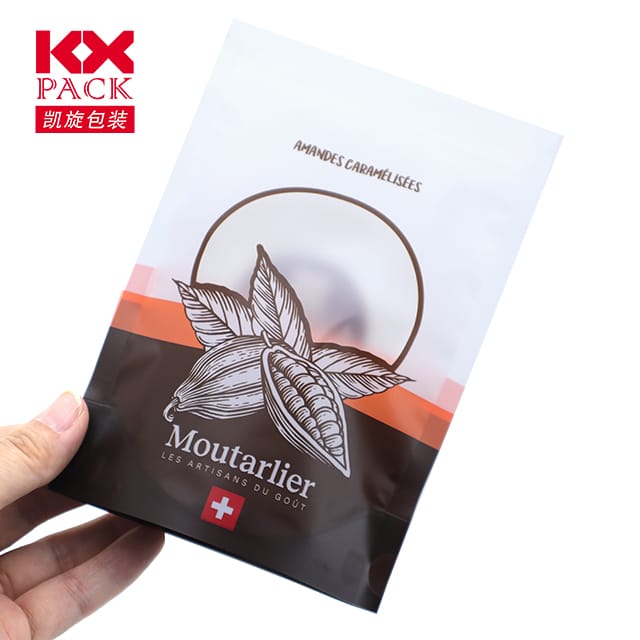
- Kemampuan penyesuaian: Dapat dicetak, sealable, and adaptable to diverse formats (kantong, tas, bungkus).
Pertumbuhan Pasar & Key Drivers
The global flexible packaging market was valued atUSD 210.62 miliar masuk 2023 dan diperkirakan akan tercapaiUSD 238.91 miliar oleh 2029, tumbuh pada CAGR sebesar2.12%. Penggerak utama meliputi:
- Shift from Rigid to Flexible Solutions: Brands prioritize cost-efficiency and sustainability, favoring flexible films over heavier, less eco-friendly alternatives.
- Booming E-niaga: Online retail demands lightweight, damage-resistant packaging for safe deliveries.
- Perawatan kesehatan & Food Demand: Pharmaceuticals and perishable goods require sterile, airtight packaging, fueling innovation in high-barrier films.
Innovations in Material Science
Recent advancements in flexible film technology focus onsustainability and performance:
- Struktur Mono-Material: Perusahaan seperti Huhtamaki are pioneering single-polymer films (misalnya, PE atau PP) untuk menyederhanakan daur ulang.
- Film yang Dapat Terurai Secara Hayati: Terbuat dari sumber daya terbarukan (misalnya, TPR), these reduce plastic waste.
- Lapisan Penghalang Tinggi: Advanced polymers like polivinilidena klorida (PVDC) or ethylene vinyl alcohol (Evoh) enhance shelf life without compromising recyclability.
Dinamika Wilayah
Asia-Pasifik mendominasi pasar, akuntansi untuk58% of global volume in 2023, didorong oleh:
- Rapid Urbanization: Rising middle-class populations in China and India boost demand for packaged goods.
- E-commerce Expansion: Online shopping platforms like Alibaba and Flipkart rely on flexible films for efficient logistics.
- Dorongan Regulasi: Governments mandate eco-friendly packaging, accelerating adoption of recyclable/compostable films.
Tantangan & Pandangan Masa Depan
Meskipun terjadi pertumbuhan, the sector faces hurdles:
- Kompleksitas Daur Ulang: Film multi-lapisan sulit dipisahkan, complicating circular economy efforts.
- Volatilitas Bahan Baku: Fluctuating polymer prices impact margins.
Namun, the future looks promising:
- Kemasan Cerdas: Films embedded with sensors for freshness tracking or anti-counterfeiting.
- Desain Melingkar: Modular, reusable packaging systems that minimize waste.
- Collaborative Innovation: Partnerships between material scientists, merek, and recyclers to close the loop.
Kesimpulan
Flexible films packaging is more than a convenience—it’s a strategic imperative for a sustainable future. As brands and consumers demand smarter, solusi yang lebih ramah lingkungan, this sector will continue to evolve, blending cutting-edge science with practical design. The road ahead? A balance of innovation, tanggung jawab, and adaptability to meet the needs of a changing world.
Stay tuned for more insights on packaging trends—where science meets sustainability! 🌍📦✨
Sumber: Penelitian QY, Pasar dan Pasar, GlobeNewswire, Packaging World