Uloga laminiranih filmova u revoluciji pakiranja hrane(3)
Laminirani filmovi
U krajoliku pakiranja hrane koji se stalno razvija, laminirane folije pojavili su se kao igrači koji mijenjaju pravila igre, nudeći skladan spoj funkcionalnosti, održivost, i estetsku privlačnost. Ovi višeslojni polimerni materijali izrađeni su za zaštitu prehrambenih proizvoda, a istovremeno zadovoljavaju zahtjeve modernih potrošača i regulatorne standarde. Pogledajmo zašto su laminirane folije kamen temeljac industrije pakiranja hrane.
Što su laminirane folije?
Laminirane folije su kompozitni materijali nastali spajanjem dva ili više slojeva različitih polimera (npr., LJUBIMAC, PE, PP, GODIŠNJE, ili aluminijskom folijom) pomoću ljepila ili koekstruzije. Ova slojevitost omogućuje proizvođačima da prilagode svojstva poput:
- Zaštita barijera: Blokiranje vlage, kisik, svjetlo, i mirisi.
- Mehanička čvrstoća: Otporan na probode, suze, i temperaturne fluktuacije.
- Mogućnost brtvljenja: Osiguravanje hermetičkih zatvarača za produženu svježinu.
- Ispisljivost: Visokokvalitetna grafika za brendiranje i angažman potrošača.
Ključne prednosti pakiranja hrane
- Povećani rok trajanja
Stvaranjem barijere protiv vanjskih elemenata, laminirane folije značajno produljuju svježinu pokvarljivih namirnica poput mesa, sireva, i grickalice. Na primjer, PET/aluminij/PE laminat može blokirati do 99% kisika, sprječava oksidaciju i rast mikroba. - Svestranost u različitim aplikacijama
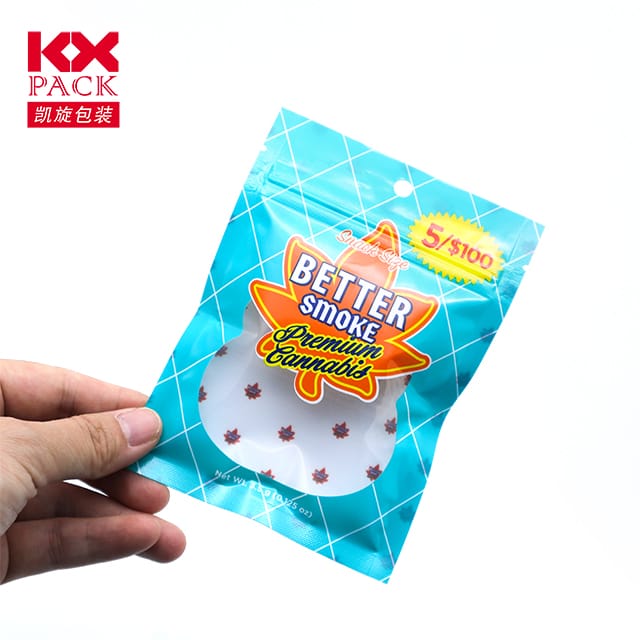
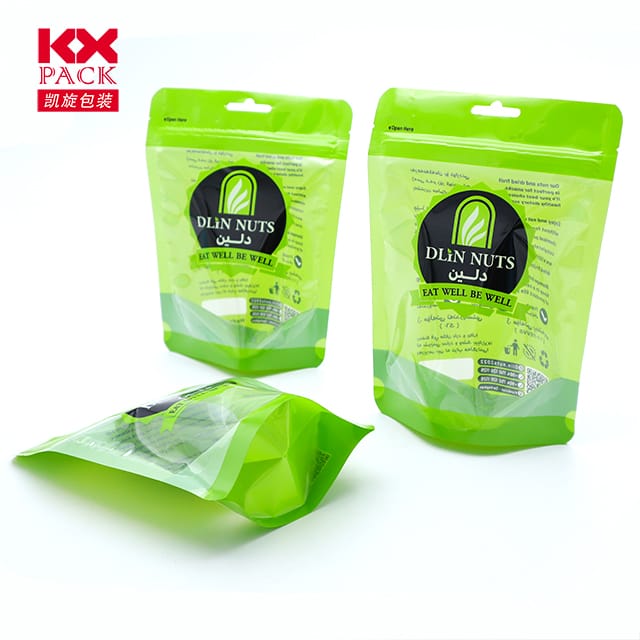
- Fleksibilno pakiranje: Vrećice, vrećice, i flow obloge za grickalice, kava, i hrana za kućne ljubimce.
- Kruti spremnici: Poklopci i ladice za gotova jela ili mliječne proizvode.
- Specijalizirane upotrebe: Vrećice za mikrovalnu, retortne vrećice za steriliziranu hranu, i vakumirana roba.
- Sustainability Push
Moderne laminirane folije sve se više dizajniraju imajući na umu mogućnost recikliranja i kompostiranja. Inovacije uključuju:- Jednomaterijalne strukture: Pojednostavljivanje tokova recikliranja.
- Polimeri na biološkoj bazi: Dobiva se iz obnovljivih izvora poput kukuruznog škroba ili šećerne trske.
- Smanjena debljina: Lagan za smanjenje ugljičnog otiska bez ugrožavanja performansi.
- Diferencijacija marke
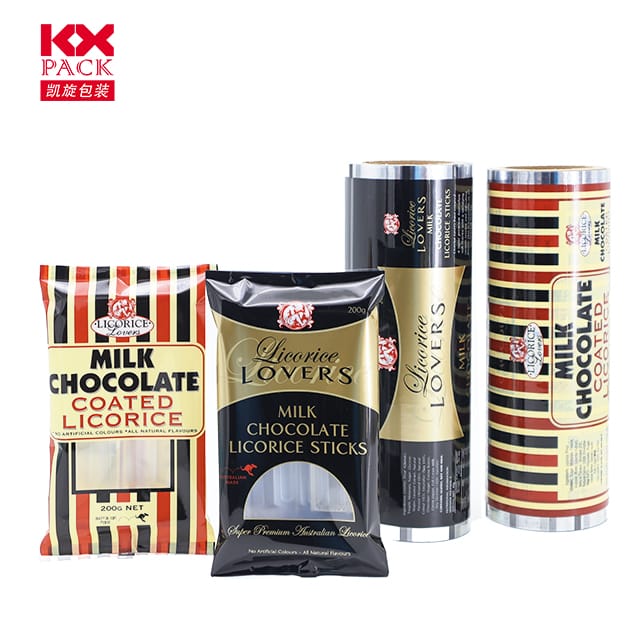
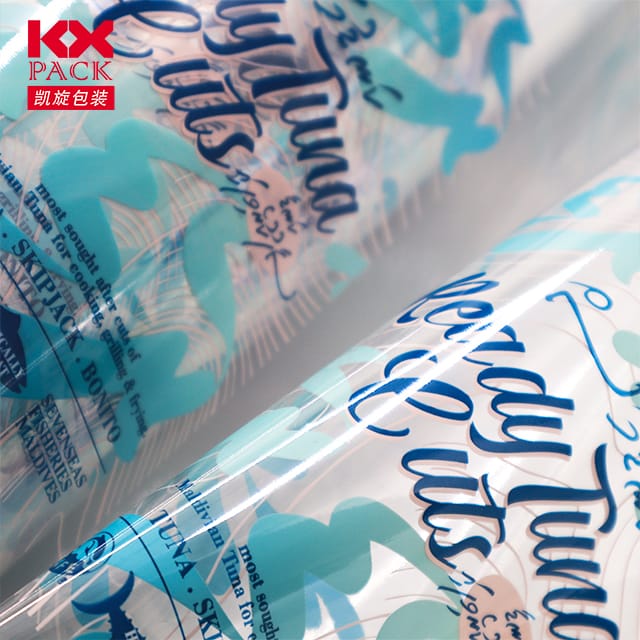
Glatka površina laminiranih filmova omogućuje živopisan tisak, mat završeci, ili holografski efekti, omogućujući brendovima da se istaknu na prepunim policama.
Rješavanje problema zaštite okoliša
Dok su tradicionalni laminati od više materijala kritizirani zbog problema s recikliranjem, industrija se brzo prilagođava:
- Napredne tehnologije sortiranja: Optički uređaji za razvrstavanje i recikliranje kemikalija sada mogu odvajati slojeve.
- Modeli kružnog gospodarstva: Partnerstva između robnih marki i reciklirača za prikupljanje otpada nakon upotrebe.
- Certifikati: Usklađenost sa standardima poput FSC™ (za laminate na bazi papira) ili OK Kompost (za biorazgradive opcije).
Budući trendovi
- Integracija pametnog pakiranja
Laminati s ugrađenim senzorima ili QR kodovima mogu pratiti svježinu ili pratiti podrijetlo proizvoda u stvarnom vremenu. - Nano poboljšane barijere
Uključivanje nanomaterijala za poboljšanje svojstava plinske barijere uz smanjenje ukupne debljine filma. - Sustavi zatvorene petlje
Suradnja kroz lanac vrijednosti kako bi se osiguralo da se laminirane folije ponovno koriste ili recikliraju u novu ambalažu.
Zaključak
Laminirane folije daleko su više od pukih zaštitnih slojeva — one su dinamična rješenja koja uravnotežuju performanse, održivost, i privlačnost potrošača. Kako tehnologija napreduje, ti će se materijali nastaviti razvijati, poticanje inovacija u očuvanju hrane i zaštiti okoliša. Za robne marke koje žele unaprijediti svoju strategiju pakiranja, istraživanje potencijala modernih laminiranih filmova nije samo opcija - to je nužnost.
🔗Saznajte više o trendovima održivog pakiranja u našem najnovijem izvješću: [Veza na hipotetsko izvješće industrije].
Koje vas inovacije u pakiranju hrane najviše oduševljavaju? Podijelite svoje mišljenje u nastavku! 👇