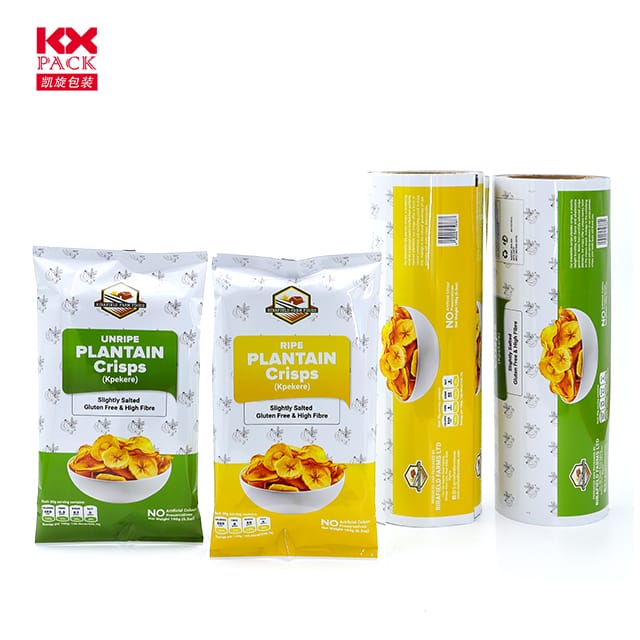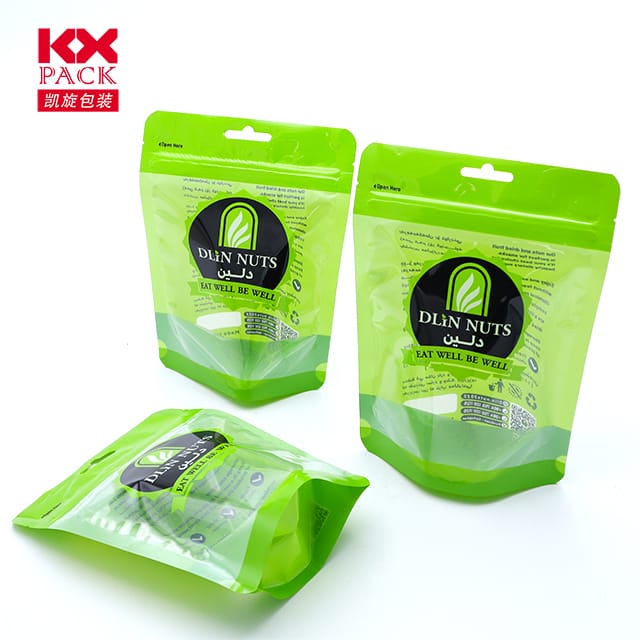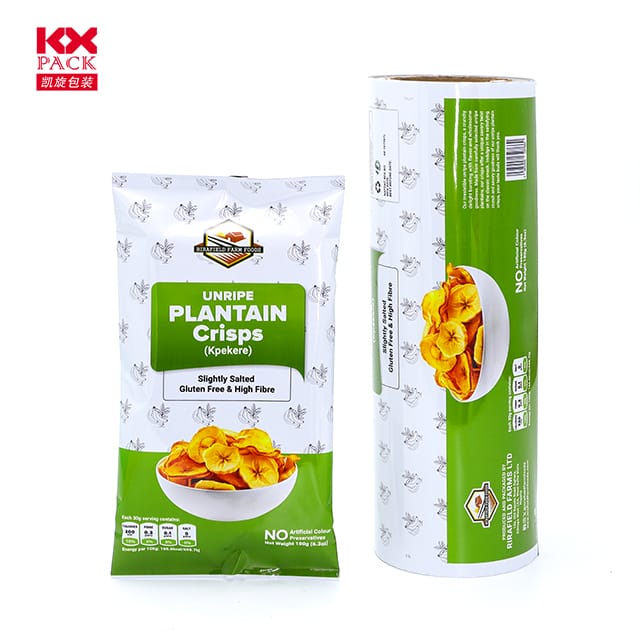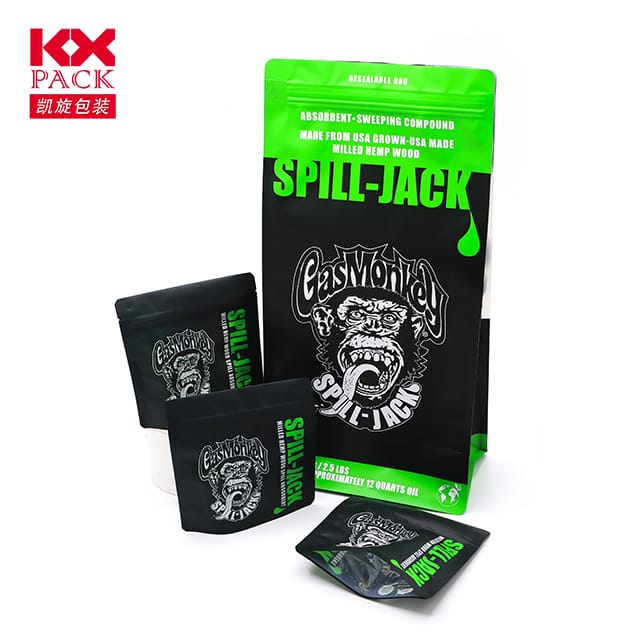
סרט אריזת מזון: חידושים המניעים את הקיימות והטריות ≠ 6)
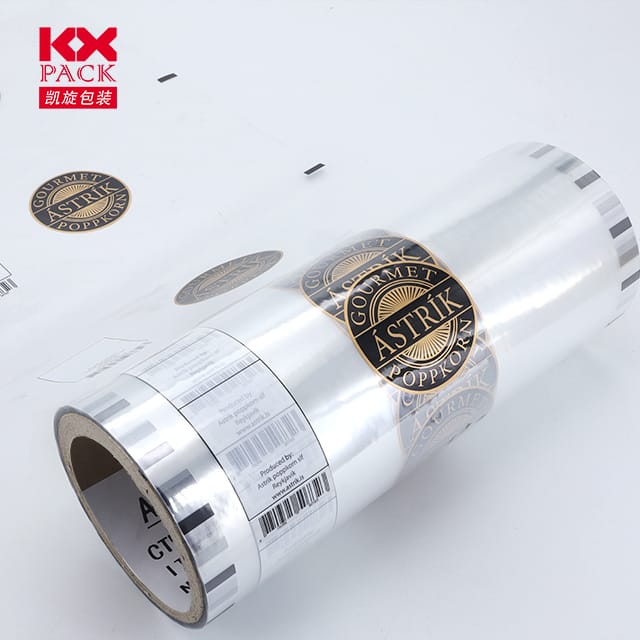
סרט אריזת מזון
בעולם המהיר של היום, סרט אריזת מזון הוא יותר מסתם שכבת הגנה - זה מרכיב קריטי בבטיחות המזון, קיימות, ונוחות הצרכן. מהרחבת חיי המדף ועד הפחתת הפסולת, ההתקדמות בטכנולוגיית סרטי אריזה מעצבת מחדש את האופן שבו אנו מאחסנים, תַחְבּוּרָה, ולהנות מאוכל. בואו לחקור את הטרנדים האחרונים, אתגרים, ופריצות דרך בתעשייה חיונית זו.
תפקידו של סרט אריזות מזון
סרט אריזת מזון משרת מספר מטרות:
- שְׁמִירָה: מגן על מזון מפני חמצן, לַחוּת, ומזהמים לשמירה על טריות.
- נוֹחוּת: מאפשר טיפול קל, מנה, וצריכה תוך כדי תנועה.
- בְּטִיחוּת: פועל כמחסום מפני חיידקים ונזק פיזי.
- קיימות: סרטים מודרניים שואפים למזער את ההשפעה הסביבתית באמצעות חומרים הניתנים למחזור או מתכלים.
חידושים חדישים
- סרטים מתכלים וקומפוסטטיים
סרטי פלסטיק מסורתיים, תוך כדי יעילות, לתרום לזיהום העולמי. הזן אלטרנטיבות ידידותיות לסביבה העשויות מחומרים על בסיס צמחי כמו חומצה פולילקטית (PLA), עֲמִילָן, או תאית. הסרטים האלה מתפרקים באופן טבעי, צמצום פסולת הטמנה. לְדוּגמָה, חברות כמו TIPA ו-BioPak מובילות את המשימה עם אריזות קומפוסטיות לחטיפים, תוצרת טרייה, ואפילו תרמילי קפה. - אריזה פעילה וחכמה
מעבר להגנה פסיבית, סרטים "חכמים" מקיימים כעת אינטראקציה עם מזון כדי לשפר את הבטיחות והאיכות:- שואבי חמצן: סרטים משובצים בחומרים שסופגים חמצן למניעת קלקול (נפוץ באריזות בשר וגבינות).
- מחווני זמן-טמפרטורה (TTIs): תוויות שמשנות את צבען אם המזון נחשף לטמפרטורות לא בטוחות, להבטיח רעננות.
- ציפויים אנטי מיקרוביאליים: סרטים המושרים בחומרים טבעיים כמו שמנים אתריים כדי לעכב צמיחת חיידקים.
- אריזה אכילה
דמיינו שאתם אוכלים את העטיפה שלכם במקום לזרוק אותה! סרטים אכילים עשויים ממרכיבים כמו אצות, עמילן אורז, או מחית פירות תופסים אחיזה. מותגים כמו Notpla (שקיות על בסיס אצות) ו-WikiCells (מארזי מאכל ליוגורט או מיצים) הם חלוצי המרחב הזה, מציע פתרון אפס פסולת. - ננוטכנולוגיה באריזה
ננו-חלקיקים משמשים ליצירת דק במיוחד, סרטים בעלי מחסום גבוה העולים על ביצועי הפלסטיק המסורתיים. לְמָשָׁל, ננו-חלקיקי כסף מספקים תכונות אנטי-מיקרוביאליות, בעוד שננו מרוכבים מחימר משפרים חוזק ועמידות לגזים.
אתגרי הקיימות
למרות ההתקדמות, התעשייה מתמודדת עם מכשולים:
- עֲלוּת: חומרים מתכלים הם לרוב יקרים יותר מפלסטיק רגיל.
- ביצועים: כמה סרטים ידידותיים לסביבה נאבקים עם עמידות או עמידות ללחות.
- תשתית מיחזור: סרטים הניתנים לדחיסה דורשים מתקנים תעשייתיים, שעדיין לא זמינים באופן נרחב.
- התנהגות צרכנים: בלבול בנוגע לתיוג (לְמָשָׁל., "מתכלה" לעומת. "ניתן לדחיסה") יכול להוביל לסילוק לא נכון.
העתיד של סרט אריזות מזון
השינוי לעבר עקרונות הכלכלה המעגלית מניע חדשנות. מגמות מפתח כוללות:
- סרטים חד-חומריים: מיועד למיחזור קל יותר על ידי שימוש בסוג יחיד של פלסטיק.
- סרטים מסיסים במים: אידיאלי עבור שקיות חד פעמיות, מתמוסס ללא מזיק במים.
- עיצוב מונחה בינה מלאכותית: למידת מכונה מייעלת את עובי הסרט, שימוש בחומר, ופונקציונליות להפחתת פסולת.
טיפים לצרכן לבחירות ידידותיות לסביבה
- חפש אישורים כמו "אישור קומפוסט" או "מכון למוצרים מתכלים (BPI).”
- תעדוף מיכלים לשימוש חוזר על פני סרטים חד פעמיים במידת האפשר.
- תמכו במותגים המחויבים לאריזה בת קיימא.
מַסְקָנָה
סרט אריזת מזון מתפתח מצורך חד פעמי להיי-טק, פתרון בר קיימא. ככל שהביקוש של הצרכנים לאפשרויות ידידותיות לסביבה גדל, התעשייה עומדת בפני האתגר עם חידושים שמתעדפים הן את הכוכב והן את המוצר. על ידי אימוץ ההתקדמות הללו, נוכל ליהנות מאוכל טרי יותר, להפחית פסולת, ולקחת צעד קרוב יותר לעתיד ירוק יותר.
מה דעתך על אריזה בת קיימא? שתף את המחשבות שלך או מותגים ידידותיים לסביבה האהובים בתגובות!