خطرات پنهان فیلم پلاستیکی مواد غذایی: آیا آشپزخانه شما چیزی فراتر از چیزهای باقیمانده است؟?
Food Plastic Film
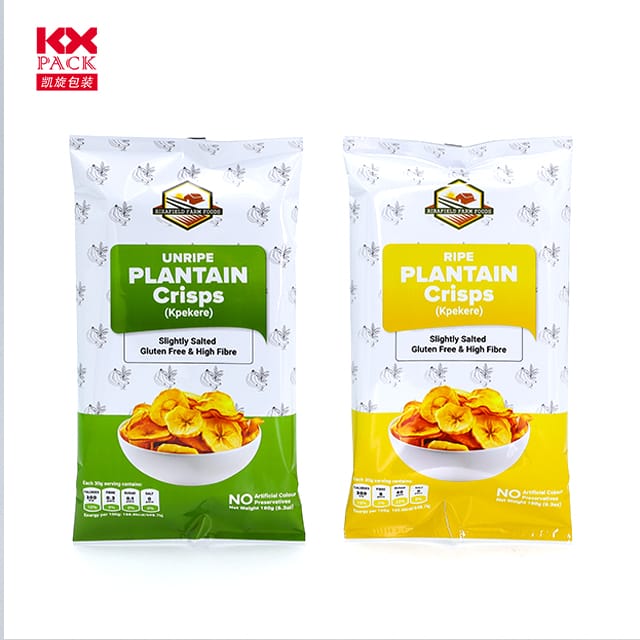
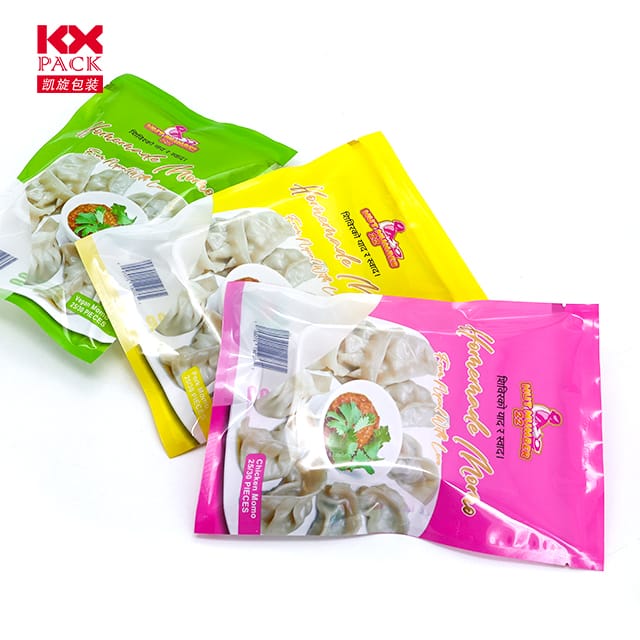
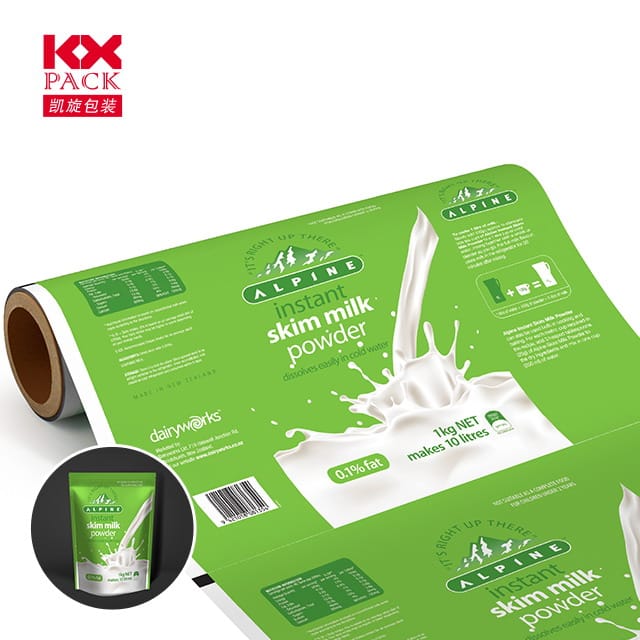
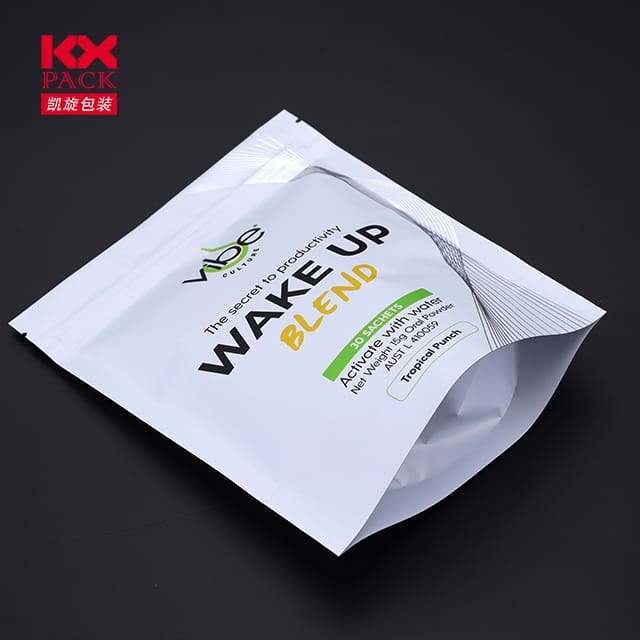
In the age of convenience, فیلم پلاستیکی مواد غذایی (همچنین به عنوان فیلم چسبیده شناخته می شود, بسته پلاستیکی, یا بسته بندی ساران) به یکی از لوازم اصلی آشپزخانه تبدیل شده است. چه نگهداری از باقی مانده ها باشد, ساندویچ های آب بندی, یا بسته بندی محصولات تازه, این شفاف, مواد کشسان ضروری به نظر می رسد. But have you ever paused to consider what lurks beneath its seemingly harmless surface? Let’s peel back the layers on food plastic film—its environmental footprint, health risks, و جایگزین های سازگار با محیط زیست.
1. عوارض زیست محیطی: A Plastic Problem That Won’t Stick Around
Food Plastic Film is typically made from low-density polyethylene (LDPE) یا پلی وینیل کلراید (پی وی سی). Both materials are lightweight, بادوام, and… incredibly persistent.
- Non-Recyclable Nightmares: Most municipal recycling programs reject plastic film due to its tendency to tangle machinery. This means the majority ends up in landfills, where it takes 20–1,000 years تجزیه شدن.
- تهدید میکروپلاستیک: When exposed to heat, نور خورشید, or friction, plastic film breaks down into microplastics. These tiny particles infiltrate soil, آبراه, and even the air we breathe, خطراتی برای اکوسیستم ها و سلامت انسان ایجاد می کند.
- Wildlife Hazard: Marine animals often mistake plastic debris for food. لاک پشت, دریاچه های دریایی, and whales have been found with stomachs full of indigestible plastic, leading to starvation or internal injuries.
2. خطرات سلامتی: کی “حفظ کردن” Food Becomes Preserving Toxins
Beyond environmental harm, plastic film raises concerns about chemical leaching into the food it’s meant to protect.
- Phthalates and BPA (Sometimes): PVC-based films may contain phthalates (plasticizers that soften the material) or bisphenol A (BPA), مواد شیمیایی مرتبط با اختلالات هورمونی, مسائل مربوط به تولید مثل, and even cancer. While many modern films claim to be “بدون فتالات,” regulatory gaps mean transparency varies by brand.
- Heat = Higher Risk: Using plastic film in microwaves or to cover hot dishes can accelerate chemical migration. آ 2021 study by Environmental Science & تکنولوژی found that fatty foods stored in plastic wraps absorbed up to 40% more phthalates than those stored in glass.
- Skin Irritation: Direct contact with PVC films may cause rashes or allergic reactions in sensitive individuals, especially those with eczema or dermatitis.
3. جایگزین های سازگار با محیط زیست: Wrapping Up Sustainability
خبر خوب? You don’t need plastic film to keep food fresh. Here are practical, planet-friendly swaps:
- بسته های موم زنبور عسل: قابل استفاده مجدد, قابل کمپوست شدن, و به طور طبیعی آنتی باکتریال است, these wraps mold to containers or food using the warmth of your hands. مارک های مانند پوشش زنبور عسل offer colorful, durable options.
- پوشش های غذایی سیلیکونی: انعطاف پذیر, صعود, و قابل شستشو در ماشین ظرفشویی, silicone lids stretch over bowls, بشقاب ها, or even half-cut produce. They’re BPA-free and last for years.
- ظروف شیشه ای: Opt for airtight glass storage with leak-proof lids. امتیاز: They’re microwave-safe and won’t absorb odors or stains.
- روکش های پارچه ای قابل استفاده مجدد: For bread, کاسه ها, or dough, breathable fabric covers (like those from Etee) eliminate plastic waste while keeping food fresh.
- Paper or Parchment: For short-term storage, unbleached parchment paper or waxed butcher paper can work wonders—just avoid using them with acidic or fatty foods.
4. Smart Shopping: How to Choose Safer Films (If You Must Use Them)
If Food Plastic Film is unavoidable, follow these tips:
- Read Labels: جستجو کنید “PVC-free,” “بدون فتالات,” یا “بدون BPA” claims. LDPE-based films (often labeled #4 recycling code) are generally safer than PVC (#3).
- Avoid Heat: Never microwave food wrapped in plastic film. Opt for microwave-safe glass or ceramic containers instead.
- هوشمندانه ذخیره کنید: Keep plastic film away from fatty, acidic, or hot foods to minimize leaching.
- Reuse Mindfully: Wash and reuse non-PVC films for non-food tasks (به عنوان مثال, wrapping craft supplies) to extend their lifespan.
نتیجه: Breaking Free from the Plastic Habit
Food plastic film might seem like a small convenience, but its cumulative impact—on our health, اقیانوس ها, and climate—is anything but trivial. By embracing reusable alternatives and advocating for stricter regulations on plastic production, we can wrap up this chapter of environmental neglect and start fresh.
Your turn: Have you ditched plastic film? Share your favorite eco-swaps in the comments below! Let’s inspire each other to make kitchens (and the planet) a little greener. 🌱
کلمات کلیدی: فیلم پلاستیکی مواد غذایی, آلودگی پلاستیکی, جایگزین های سازگار با محیط زیست, health risks, زندگی پایدار