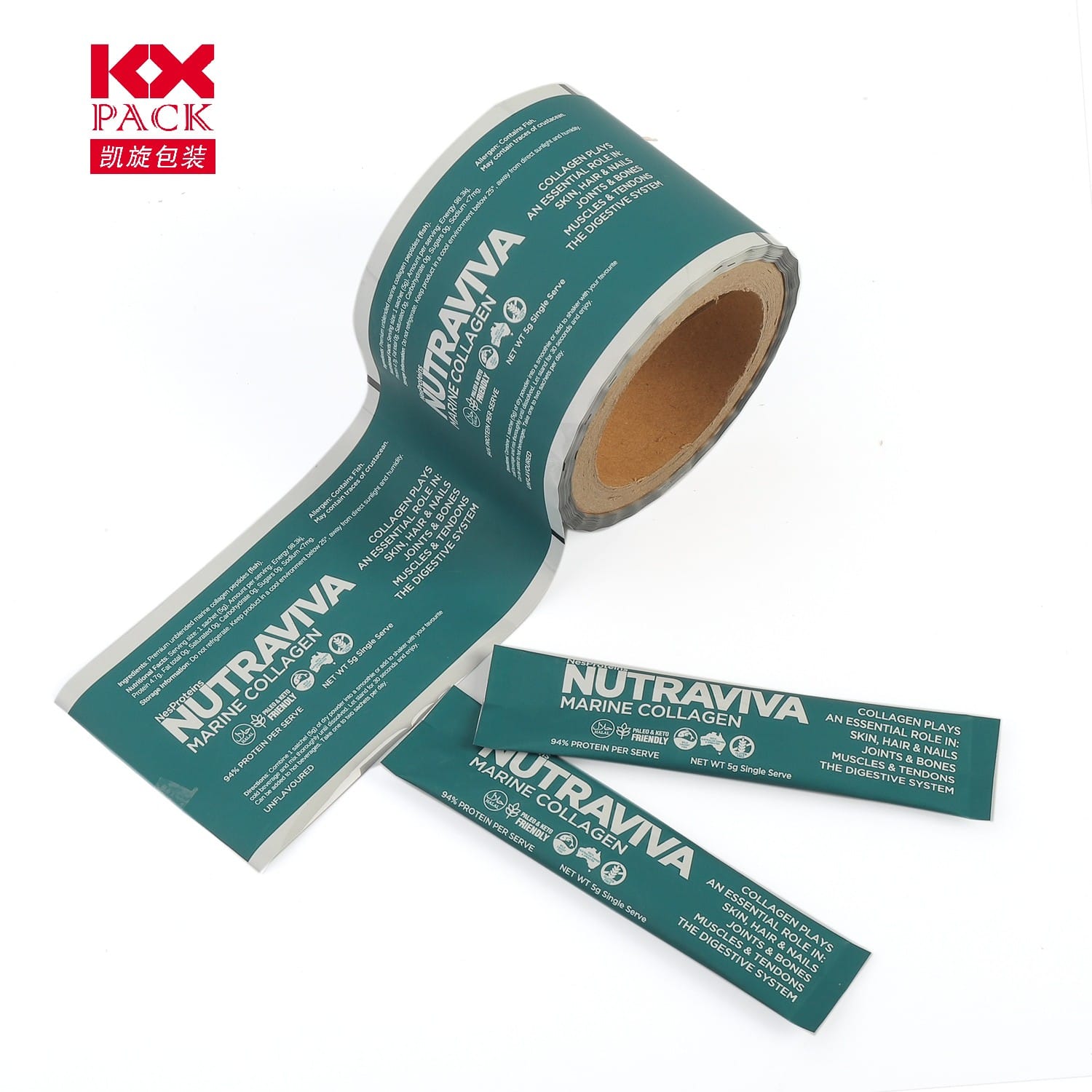
La versatilidad e innovación del plástico de sellado de película: Desde el laboratorio hasta la vida cotidiana
Película de sellado de plástico
En el mundo moderno, Película de sellado de plástico has quietly become an indispensable component across industries, salvaguardar todo, desde muestras de laboratorio hasta sus bocadillos favoritos. Este material especializado, Diseñado para crear hermético, barreras resistentes a la humedad, está evolucionando rápidamente para satisfacer las demandas de sostenibilidad y los avances tecnológicos. Exploremos sus diversas aplicaciones, tendencias del mercado, e innovaciones de vanguardia.
1. Aplicaciones de laboratorio: Protecting Scientific Integrity
In genomics, proteómica, y cultivo celular, Película de sellado de plástico is a lifeline for preserving sample integrity. Por ejemplo:
- Sellado de microplacas: Films like Parafilm®, a stretchable blend of hydrocarbon wax and polyolefin, are used to seal microplates and petri dishes. Es 200% elongation property allows it to conform to irregular shapes, preventing contamination and evaporation during long-term storage.
- PCR and Biotech Experiments: The film’s self-adhering nature ensures sterile conditions, critical for accurate DNA amplification and reagent stability.
Perspectiva del mercado: The laboratory segment is driven by the need for high-barrier materials that resist chemical degradation, a trend fueled by rising R&D investments in life sciences.
2. Envasado de alimentos: Freshness Meets Sustainability
The food industry dominatesPelícula de sellado de plástico usage, with applications ranging from snack bags to fresh produce packaging:
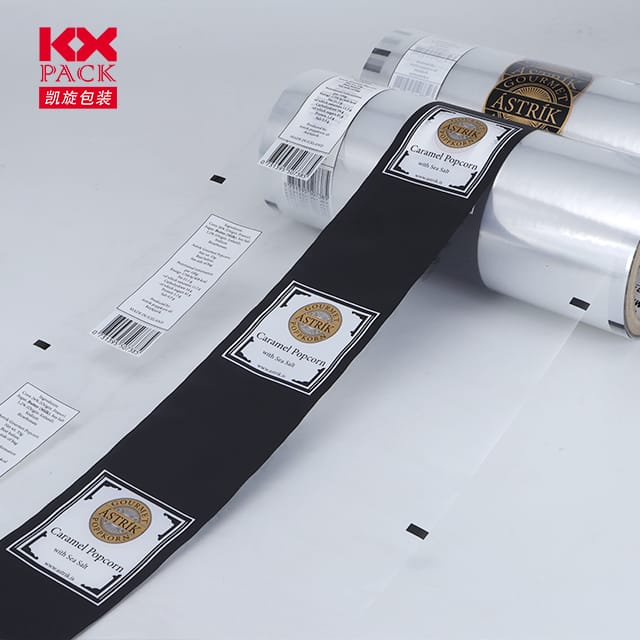
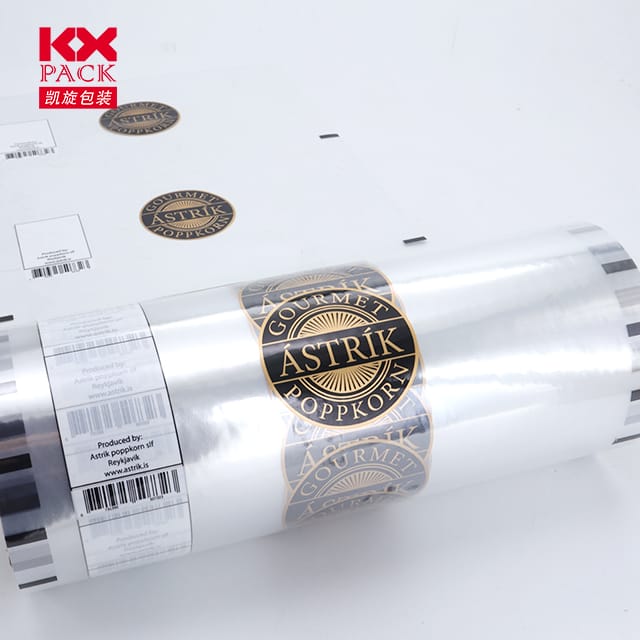
- Envasado de bocadillos: Heat-sealable PET films are used for potato chip bags, creating a tamper-proof seal that prevents moisture ingress and staleness. These films can be printed with vibrant designs without compromising seal quality.
- Productos frescos: Embalaje de ambiente modificado (MAPA) films extend the shelf life of fruits and vegetables by regulating oxygen and carbon dioxide levels. Por ejemplo, LDPE films with ethylene-absorbing layers slow down ripening.
- Innovative Designs: El “Seal N' Flip™” technology relocates the lidding film to the bottom of containers, reducing plastic use by 30% while enhancing product visibility on shelves.
Crecimiento del mercado: The global shrink plastic film market for beverage multipacks is projected to reachDólar estadounidense 3.0 mil millones por 2025, driven by demand for processed beverages and eco-friendly alternatives.
3. Farmacéuticos: Ensuring Potency and Safety
Pharmaceutical packaging relies onPelícula de sellado de plástico to protect drugs from moisture, luz, y contaminación:
- Paquetes de ampolla: Aluminum-laminated PET films are used for tablets and capsules, combining puncture resistance with child-resistant features.
- Películas de sellado en frío: These are gaining traction for temperature-sensitive medications, as they eliminate heat exposure during sealing, preserving drug efficacy.
Key Players: Tier 1 manufacturers likeCompañía Bemis yAmcor Plc dominate the market, focusing on high-barrier, recyclable materials to meet regulatory standards.
4. Industrial and E-Commerce: Durability Meets Efficiency
In logistics, Película de sellado de plástico ensures products survive transportation intact:
- Envoltura de paletas: Stretch films with reinforced layers prevent cargo shifting, reduciendo las tasas de daño hasta 40%.
- E-Commerce Packaging: Cold seal films are ideal for automated packaging lines, as they require no heat, speeding up fulfillment processes for online retailers.
Innovation Spotlight: IoT-enabled films with embedded sensors are being tested to track temperature and humidity in real time, critical for perishable goods.
5. Tendencias del mercado: Sustainability and Smart Packaging
ElCold Seal Plastic Films Market is expected to grow fromDólar estadounidense 4.1 mil millones en 2025 a USD 7.2 mil millones por 2035, en un5.8% CAGR. Los controladores clave incluyen:
- Sostenibilidad: Brands are shifting to compostable films made from PLA (ácido poliláctico) o mezclas de almidón, Reducción de desechos plásticos.
- Advanced Barriers: Co-extruded films combining PET, Evoh, and PE layers offer superior gas and moisture resistance, extender la vida útil del producto.
- Automation Compatibility: Films designed for high-speed sealing machines are in demand, with impulse sealing and ultrasonic welding gaining popularity.
Conclusión: El futuro del sellado de plástico de película
From protecting lab samples to revolutionizing food packaging, Película de sellado de plástico is a testament to material science’s ability to balance functionality and sustainability. As industries prioritize eco-friendly solutions and smart technologies, innovations like biodegradable films and IoT integration will redefine its role. Whether you’re a scientist, a food manufacturer, or a consumer, this unassuming material touches your life daily—and its future is brighter than ever.
Llamado a la acción: Are you exploring sustainable packaging options? Share your thoughts in the comments below or tag us on social media with #SealingFilmInnovation!