La evolución y la importancia de la película del paquete de alimentos: Asegurar la seguridad, Sostenibilidad, y conveniencia (2)
Película de paquete de alimentos
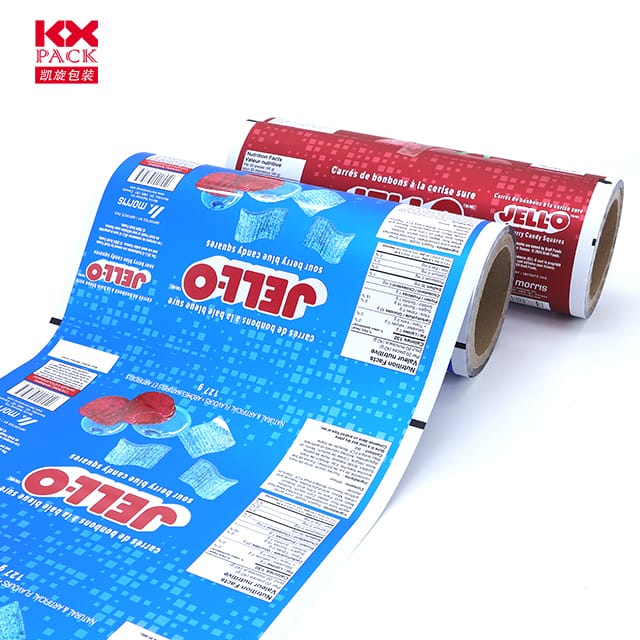
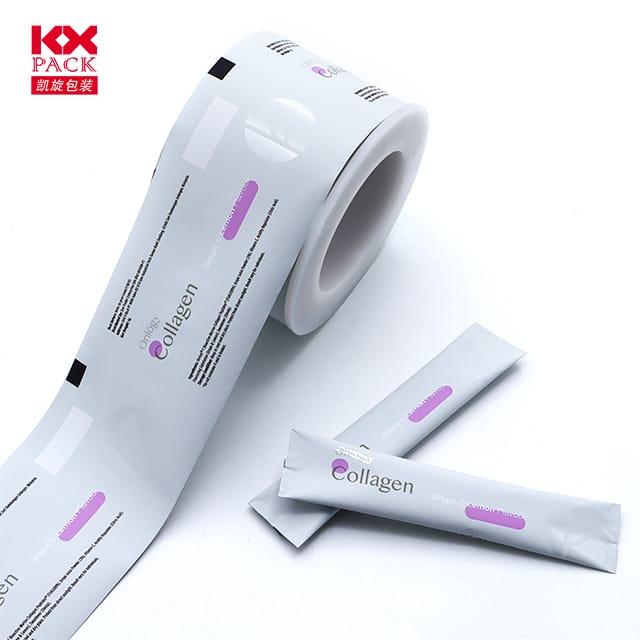
En el mundo acelerado de hoy, Food Package Film juega un papel fundamental en la preservación de la calidad, seguridad, y accesibilidad de los alimentos que consumimos a diario. Desde las vegetales crujientes en su refrigerador hasta los bocadillos listos para comer en su despensa, tan delgado, La capa a menudo se pasa por alto es una maravilla de la ingeniería moderna. Profundicemos en por qué son importantes las películas para envases de alimentos, sus avances tecnológicos, y el creciente enfoque en la sostenibilidad.
1. Las funciones principales de la película para envases de alimentos
La película para paquetes de alimentos no se trata solo de envolver; es una solución respaldada por la ciencia diseñada para:
- Extender la vida útil: Actuando como barrera contra el oxígeno., humedad, y contaminantes, películas como polietileno (educación física), polipropileno (PÁGINAS), y las alternativas biodegradables ralentizan el deterioro y mantienen la frescura.
- Preservar el valor nutricional: Las películas avanzadas pueden bloquear la luz ultravioleta y controlar el intercambio de gases, prevenir la degradación de vitaminas y sabores en alimentos envasados.
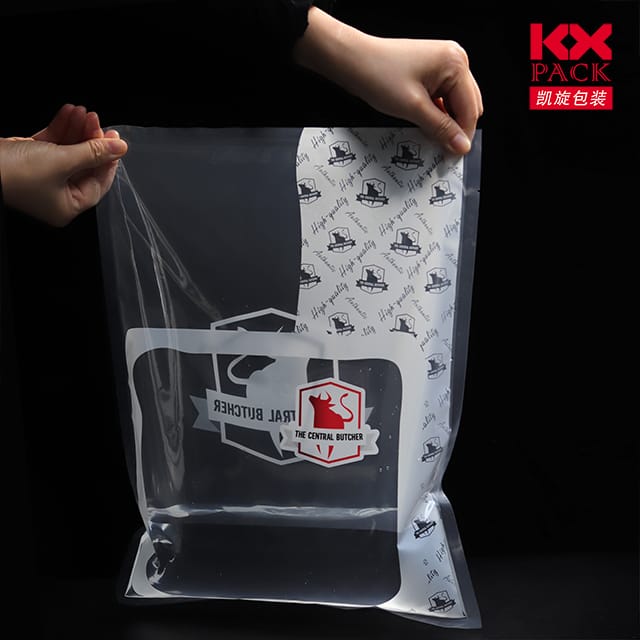
- Garantizar la seguridad alimentaria: Los sellos herméticos creados por estas películas protegen los productos de los patógenos., reducir el riesgo de enfermedades transmitidas por los alimentos.
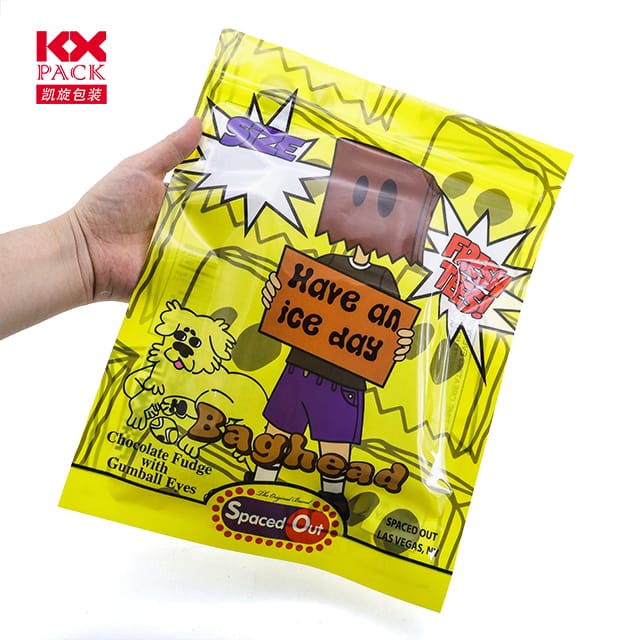
- Mejorar la comodidad: Cremalleras resellables, diseños fáciles de rasgar, y los materiales aptos para microondas hacen que los envases modernos sean fáciles de usar.
2. Innovaciones que impulsan la industria
El sector del packaging alimentario está en constante evolución, con avances en:
- Embalaje activo: Películas incrustadas con antioxidantes., agentes antimicrobianos, o los captadores de oxígeno preservan activamente la calidad de los alimentos. Por ejemplo, Una película que contiene absorbentes de oxígeno a base de hierro puede prolongar la vida útil de la carne durante días..
- Embalaje inteligente: Los sensores integrados en las películas detectan el deterioro monitorizando gases como el CO₂ o los cambios de pH., alertar a los consumidores sobre la frescura.
- Nanotecnología: Las películas nanocompuestas ultrafinas ofrecen propiedades de barrera superiores y utilizan menos material, Reducción de desechos.
- Materiales biodegradables: Opciones ecológicas como el ácido poliláctico (PLA), derivado del almidón de maíz, y las películas a base de algas marinas están ganando terreno como alternativas a los plásticos tradicionales.
3. El desafío de sostenibilidad
Si bien la película para empaquetar alimentos es indispensable, Su impacto ambiental es una preocupación creciente.. Los plásticos de un solo uso contribuyen a la contaminación, y las tasas de reciclaje siguen siendo bajas. Sin embargo, La industria está a la altura del desafío.:
- Películas compostables: Las marcas están adoptando materiales que se descomponen naturalmente en los sistemas de abono doméstico., reducir los residuos de vertederos.
- Soluciones Reciclables y Monomateriales: Simplificando el embalaje para utilizar un solo tipo de polímero (p.ej., películas totalmente de PE) mejora la reciclabilidad.
- Liviano: La reducción del espesor de la película sin comprometer la resistencia reduce el uso de materia prima y las emisiones del transporte..
- Iniciativas de economía circular: Las empresas están explorando programas de devolución y asociaciones con recicladores para cerrar el círculo de los residuos de envases..
4. Tendencias de consumo que dan forma al futuro
Los compradores de hoy son más conscientes que nunca, demandante:
- Transparencia: Etiquetado claro sobre materiales de embalaje y reciclabilidad..
- Minimalismo: Los consumidores conscientes del medio ambiente prefieren menos envases y opciones de compra al por mayor.
- Funcionalidad con propósito: Películas que no sólo protegen los alimentos sino que también se alinean con valores como el desperdicio cero.
Conclusión: Un acto de equilibrio
La película para empaquetar alimentos es un testimonio del ingenio humano: mantiene nuestros alimentos seguros, reduce el desperdicio, y se adapta a nuestras necesidades cambiantes. Sin embargo, el camino a seguir requiere innovación, colaboración, y un compromiso con la sostenibilidad. Como consumidores, Podemos apoyar a las marcas que priorizan los envases ecológicos., mientras que los fabricantes deben invertir en tecnologías más ecológicas.
La próxima vez que desenvuelvas un bocadillo o guardes las sobras, Tómese un momento para apreciar la ciencia detrás de esa fina capa de película.. No es sólo embalaje; es un guardián de la calidad, un escudo contra el desperdicio, y un símbolo de nuestro viaje hacia un futuro más sostenible.
¿Cuál es su opinión sobre el envasado de alimentos?? Comparta sus pensamientos en los comentarios a continuación.! 🌱🍴