La evolución y el impacto de los envases de películas de plástico flexibles en las industrias modernas
Embalaje de película plástica flexible
En los últimos años, El envasado de película de plástico flexible se ha convertido en una piedra angular de las soluciones de empaque modernas, Revolución de las industrias de alimentos y bebidas a productos farmacéuticos y bienes de consumo. Es liviano, versátil, y la naturaleza rentable lo ha hecho indispensable, Pero su creciente prevalencia también plantea preguntas críticas sobre la sostenibilidad y la responsabilidad ambiental.. Exploremos el auge de los envases de película plástica flexible, sus beneficios, desafíos, y las innovaciones que dan forma a su futuro.
¿Qué es el embalaje de película plástica flexible??
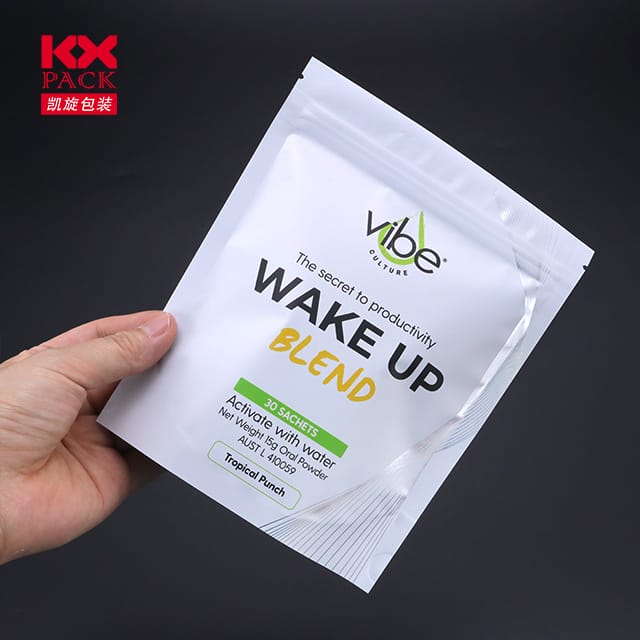
Los envases de película plástica flexible se refieren a delgados., láminas flexibles hechas de polímeros como el polietileno (educación física), polipropileno (PÁGINAS), poliéster (MASCOTA), o alternativas biodegradables como el PLA (ácido poliláctico). Estas películas se utilizan para crear bolsas., bolsas, envolturas, y revestimientos que protegen los productos de la humedad, oxígeno, luz, y contaminación. A diferencia del embalaje rígido (p.ej., vidrio o metal), Las películas flexibles se pueden moldear en formas personalizadas., Reducir el desperdicio de materiales y permitir un almacenamiento y transporte eficientes..
¿Por qué es tan popular??
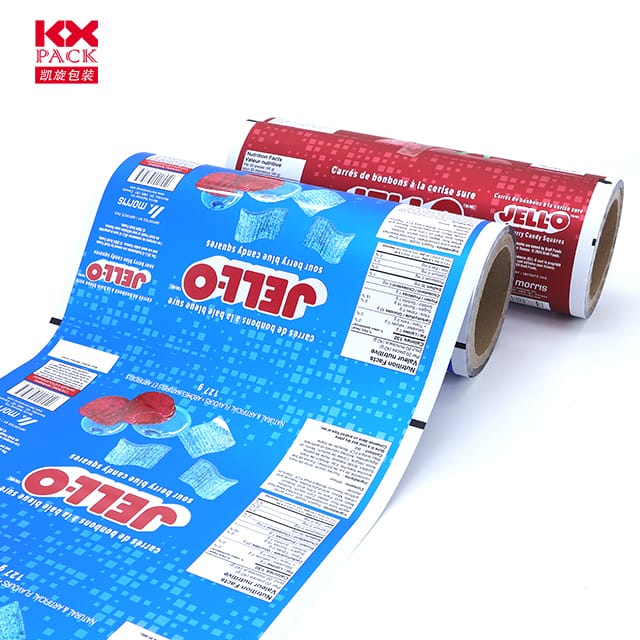
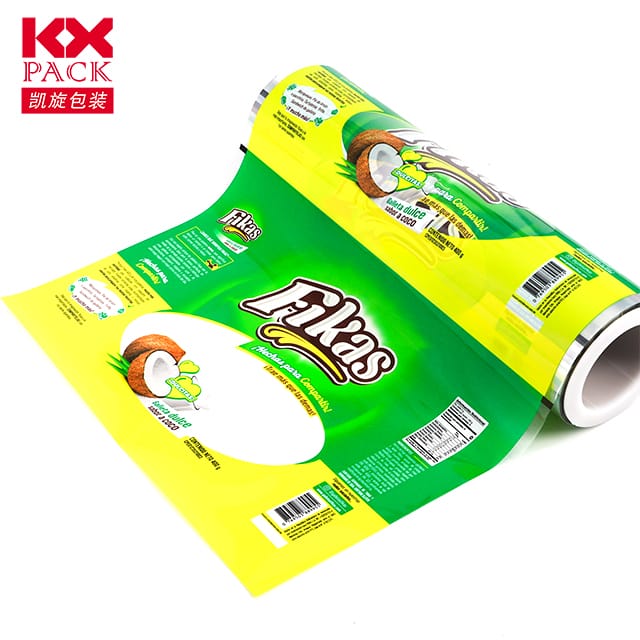
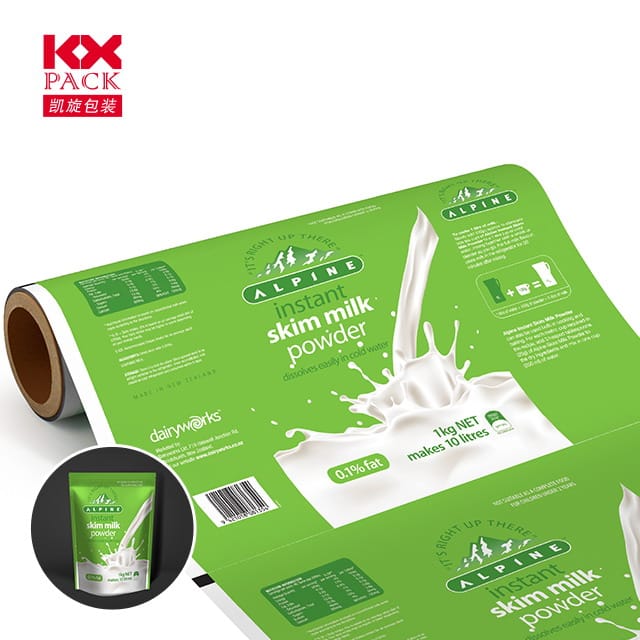
- Versatilidad: Las películas flexibles se adaptan a diversos productos., desde productos frescos y snacks hasta cosméticos y suministros médicos. Se pueden imprimir con gráficos vibrantes., mejorar la visibilidad de la marca.
- Rentabilidad: La fabricación de películas flexibles requiere menos energía y materias primas en comparación con las alternativas rígidas., reduciendo los costos de producción.
- Vida útil extendida: Películas multicapa con propiedades barrera. (p.ej., carroñeros de oxígeno) preservar la frescura, reducir el desperdicio de alimentos.
- Conveniencia: Cremalleras resellables, caños, y las funciones de fácil extracción mejoran la experiencia del usuario, particularmente en el consumo en movimiento.
Desafíos ambientales
A pesar de sus ventajas, Los envases de película plástica flexible enfrentan un escrutinio por su impacto ambiental:
- No biodegradable: La mayoría de las películas se derivan de combustibles fósiles y persisten en los vertederos durante siglos..
- Barreras de reciclaje: Delgado, Las estructuras de varias capas a menudo son incompatibles con los sistemas de reciclaje tradicionales., lo que lleva a bajas tasas de reciclaje (Se estima que entre el 5% y el 10% a nivel mundial).
- Contaminación por microplásticos: La eliminación inadecuada puede fragmentar las películas en microplásticos, contaminando ecosistemas.
Innovaciones que impulsan la sostenibilidad
La industria está respondiendo con soluciones innovadoras para mitigar el daño ambiental:
- Películas biodegradables y compostables: Materiales como PLA (hecho de almidón de maíz) y PHA (polihidroxialcanoatos) descomponerse naturalmente bajo condiciones específicas.
- Tecnologías avanzadas de reciclaje: Los procesos de reciclaje químico pueden convertir residuos plásticos mezclados en materia prima reutilizable, permitiendo modelos de economía circular.
- Diseños monomateriales: Reemplazar películas multicapa con estructuras de un solo polímero mejora la reciclabilidad sin sacrificar el rendimiento.
- Sistemas de embalaje reutilizables: Las marcas están experimentando con bolsas recargables y programas de devolución para reducir los residuos de un solo uso..
El futuro del embalaje flexible
A medida que crece la demanda de los consumidores por opciones ecológicas, Los fabricantes enfrentan presión para innovar. Los gobiernos también están interviniendo con regulaciones como la responsabilidad extendida del productor. (EPR) leyes, que responsabilizan a las empresas por los residuos de envases.
La clave para un futuro sostenible reside en equilibrar la funcionalidad con la gestión medioambiental. Invirtiendo en materiales biodegradables, infraestructura de reciclaje escalable, y educación del consumidor, La industria puede transformar los envases de película plástica flexible en una solución que beneficie tanto a las empresas como al planeta..
Conclusión
Los envases de película plástica flexible son un testimonio del ingenio humano, ofreciendo comodidad y eficiencia inigualables. Sin embargo, su huella ambiental exige una acción urgente. A través de la colaboración entre innovadores, formuladores de políticas, y consumidores, Podemos garantizar que este material versátil evolucione hasta convertirse en la piedra angular del embalaje sostenible, demostrando que el progreso y la responsabilidad pueden ir de la mano..
¿Qué piensa sobre los envases de película plástica flexible?? Comparte tus ideas en los comentarios a continuación.!
Palabras clave: embalaje de película plástica flexible, embalaje sostenible, películas biodegradables, innovación en reciclaje, economía circular