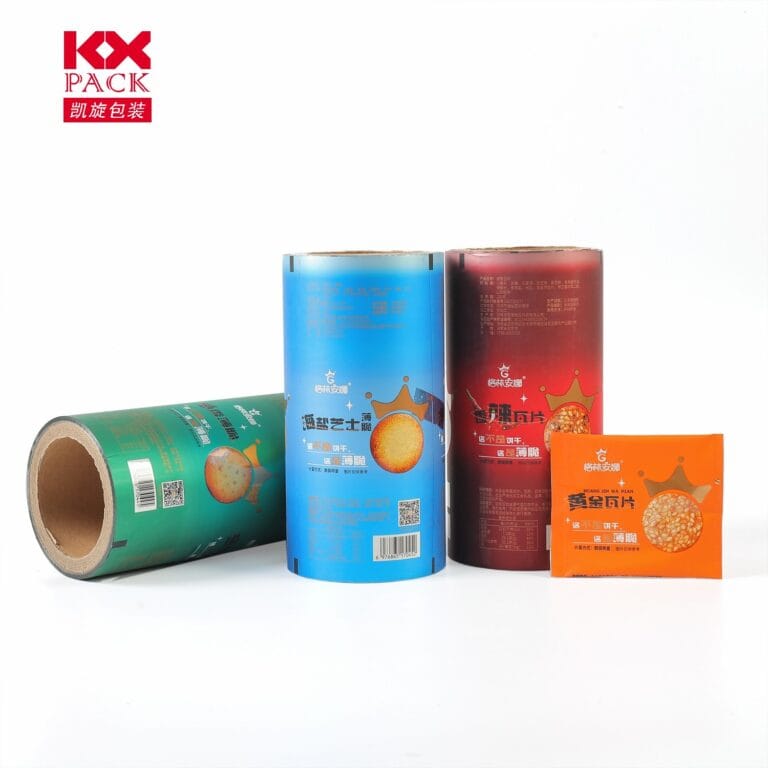
El surgimiento del embalaje de películas flexibles: Innovación, Sostenibilidad, y transformación de la industria
Embalaje de películas flexibles
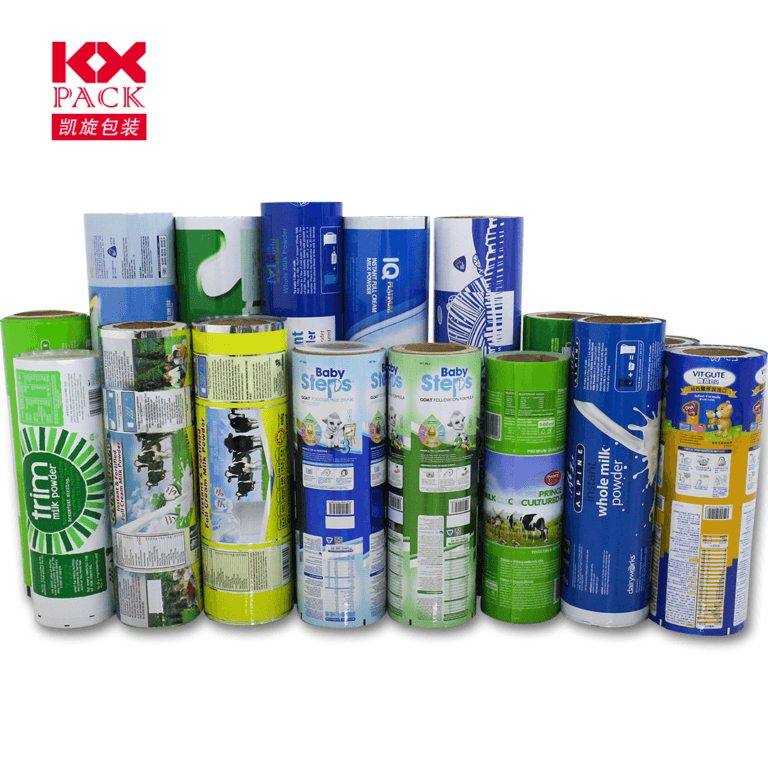
En el dinámico mundo del embalaje, embalaje de películas flexibles ha surgido como un punto de inflexión, Realización de industrias de alimentos y productos farmacéuticos hasta cuidado personal y logística. Definido por su peso ligero, adaptable, y materiales de alto rendimiento, flexible packaging now accounts for a significant share of the global market—estimated at$270.96 mil millones en 2023 and projected to grow at aCAGR de 4.8% a través de 2030. This surge is driven by its ability to meet evolving consumer demands, presiones regulatorias, y objetivos de sostenibilidad. Let’s explore why flexible films are becoming the packaging solution of choice.
1. Propiedades clave: Why Flexible Films Stand Out
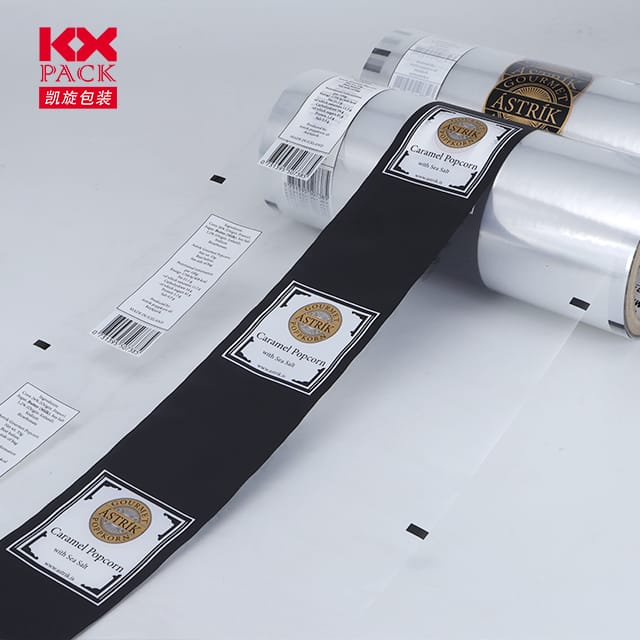
Embalaje de películas flexibles are engineered to balance functionality and efficiency. Their defining features include:
- Lightweight and Portable: A diferencia del embalaje rígido (p.ej., vidrio o metal), flexible films reduce material use and transportation costs. A single truckload of flexible films can carry the equivalent of 10 truckloads of glass jars, slashing carbon emissions.
- Protección de barrera: Advanced multilayer structures—combining polymers like polyethylene (educación física), polipropileno (BOPP), o cloruro de polivinilo (CLORURO DE POLIVINILO) with aluminum foil—create impermeable barriers against oxygen, humedad, y luz. This extends shelf life for perishables like meat and cheese by up to 50% compared to traditional packaging.
- Resistencia a la temperatura: Flexible films withstand extreme conditions, from oven-safe pouches for ready-to-eat meals to freezer-grade films for frozen foods.
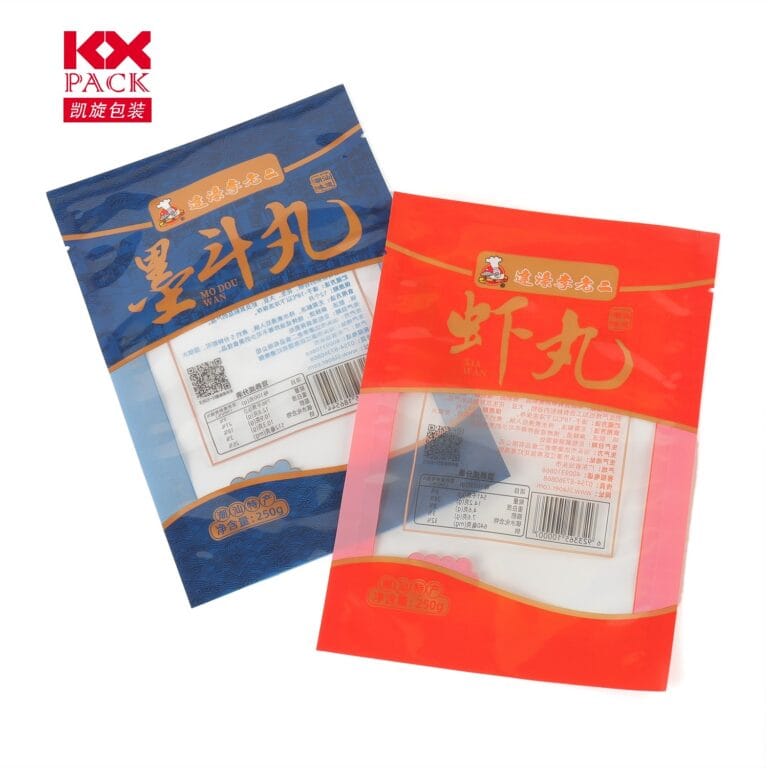
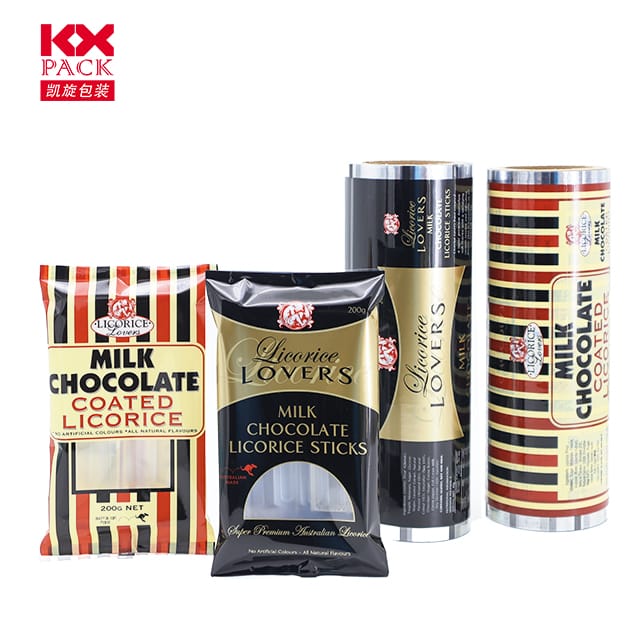
- personalización: Films can be tailored to product shapes, minimizing waste and maximizing product-to-package ratios. This precision is critical for single-serve snacks, golosinas para mascotas, y ampollas farmacéuticas.
2. Aplicaciones industriales: De los alimentos a los productos farmacéuticos
Embalaje de películas flexibles have disrupted multiple sectors by offering cost-effective, high-performance solutions:
- Alimento & Bebida: The largest market segment, flexible films dominate snack packaging, envolturas de productos frescos, and microwaveable meals. Por ejemplo, stand-up pouches with resealable zippers reduce food waste by keeping contents fresher longer.
- Comida para mascotas: Innovations like lightweight treat packs and bulk sacks with odor-barrier layers cater to pet owners’ demands for convenience and freshness.
- Cuidado de la salud & Pharmacy: Estéril, tamper-evident blister packs and peelable pouches ensure drug safety and compliance with strict regulatory standards.
- Logística & Comercio electrónico: Durable, puncture-resistant films protect goods during shipping, while shrink-wrap films secure pallets for efficient transportation.
3. Sostenibilidad: The Driving Force Behind Adoption
A medida que aumentan las preocupaciones medioambientales, flexible films are evolving to meet circular economy goals:
- Reduced Carbon Footprint: Manufacturing Embalaje de películas flexibles requires 60% less energy than rigid alternatives like glass. Their lightweight nature also cuts fuel consumption during shipping.
- Recyclable and Compostable Options: Innovations like mono-material PE films and plant-based compostable films (p.ej., NATIVIA® by Taghleef Industries) están ganando terreno. Some brands now use 100% contenido reciclado in their films.
- Waste Reduction: Embalaje de películas flexibles generate 80% less landfill waste than rigid packaging due to their efficient material use.
Sin embargo, los desafíos persisten. Películas multicapa, while high-performing, are often non-recyclable. Industry leaders are investing inreciclaje químico yadvanced sorting technologies to address this gap.
4. Tendencias futuras: What’s Next for Flexible Films?
The market is poised for transformative growth, impulsado por:
- Embalaje inteligente: Integration of IoT sensors to monitor freshness or QR codes for supply chain transparency.
- Advanced Adhesives and Substrates: New laminations improve barrier properties without adding thickness, permitiendo más delgado, películas más fuertes.
- Cumplimiento normativo: Stricter eco-laws (p.ej., Directiva de plásticos de un solo uso de la UE) are pushing brands to adopt sustainable films.
- Comodidad para el consumidor: Resellable, easy-open, and single-dose designs cater to on-the-go lifestyles.
Conclusión: Flexible Films as the Future of Packaging
Flexible films packaging is no longer just an alternative—it’s a necessity for brands aiming to stay competitive in a fast-paced, eco-conscious market. By combining innovation, sostenibilidad, y versatilidad, these materials are redefining how products are protected, presentado, and preserved. A medida que avanza la tecnología, expect flexible films to become even smarter, verder, and more integral to global supply chains.
Ready to embrace the future of packaging? Whether you’re a brand owner, manufacturer, o consumidor, the shift to flexible films is a win for efficiency, sostenibilidad, and the bottom line.
Fuentes: Asociación de envases flexibles, AMI Plastics, Taghleef Industries, Market Research Reports (2023–2030)