La guía definitiva para la laminación de películas: Mejora de la durabilidad y la estética en todas las industrias
Laminación de película
La laminación de película es un proceso versátil que implica la aplicación de una fina, capa protectora, generalmente de plástico o a base de polímero, a superficies como el papel, cartulina, tela, o incluso metal. Esta técnica se utiliza ampliamente en todas las industrias., desde embalaje e impresión hasta electrónica y fabricación de automóviles, para mejorar la durabilidad, estética, y funcionalidad. Exploremos cómo funciona la laminación de películas., sus beneficios clave, y por qué supone un punto de inflexión tanto para las empresas como para los creadores.
¿Qué es la laminación de película??
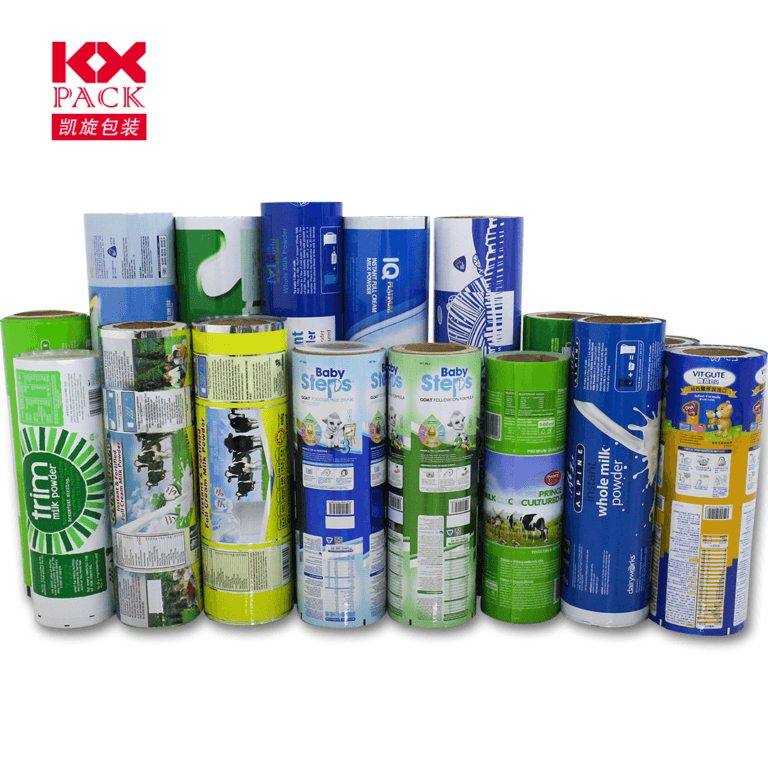
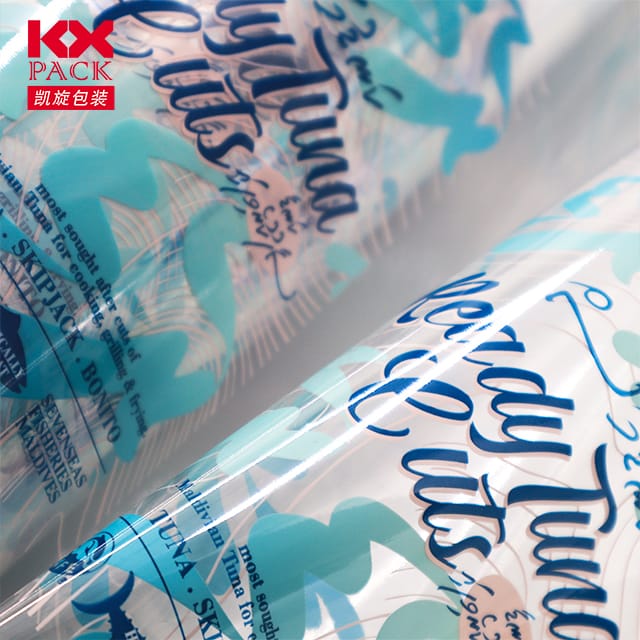
La laminación de una película es el proceso de unir una película transparente o coloreada sobre un sustrato. (materia prima) usando calor, presión, o adhesivo. El resultado? Un reforzado, Superficie visualmente atractiva que resiste el desgaste., lágrima, y daño ambiental. Los tipos comunes de películas para laminación incluyen:
- Polipropileno (PÁGINAS): Ligero y flexible, ideal para envases y etiquetas de alimentos.
- Poliéster (MASCOTA): Altamente duradero y resistente al calor, utilizado en aplicaciones industriales.
- CLORURO DE POLIVINILO (Vinilo): Ofrece un acabado brillante o mate., popular para señalización y exhibiciones.
- Películas biodegradables: Alternativas ecológicas elaboradas con materiales de origen vegetal.
¿Cómo funciona la laminación de películas??
El proceso generalmente implica estos pasos.:
- Preparación de la superficie: El sustrato se limpia para asegurar una adhesión adecuada..
- Aplicación de película: La película de laminación se coloca sobre el sustrato., ya sea manualmente o mediante maquinaria automatizada.
- Vinculación: Calor, presión, o adhesivo activa la unión entre la película y el sustrato.
- Laminación térmica utiliza calor para derretir la capa adhesiva de la película.
- Laminación en frío Se basa en adhesivos sensibles a la presión para materiales sensibles al calor..
- Guarnición: Se corta el exceso de película, dejando un acabado perfecto.
Beneficios clave de la laminación de películas
- Durabilidad mejorada:
- Protege contra la humedad, Rayos UV, quimicos, y abrasión, extender la vida útil de los productos.
- Ideal para señalización exterior, tarjetas de identificación, y embalajes expuestos a una manipulación brusca.
- Estética mejorada:
- Agrega un brillo, mate, o acabado texturizado para realzar el atractivo visual.
- Previene la decoloración, manchando, o arrugarse, asegurando colores vibrantes y texto nítido.
- Seguridad e Higiene:
- Crea una barrera contra bacterias y contaminantes., crucial para el envasado de alimentos y suministros médicos.
- Algunas películas están aprobadas por la FDA para el contacto directo con alimentos..
- Rentabilidad:
- Reduce la necesidad de reemplazos frecuentes, ahorrar dinero a largo plazo.
- Las películas livianas minimizan los costos de envío en comparación con los recubrimientos protectores más voluminosos.
Aplicaciones de la laminación de películas en todas las industrias
- Embalaje:
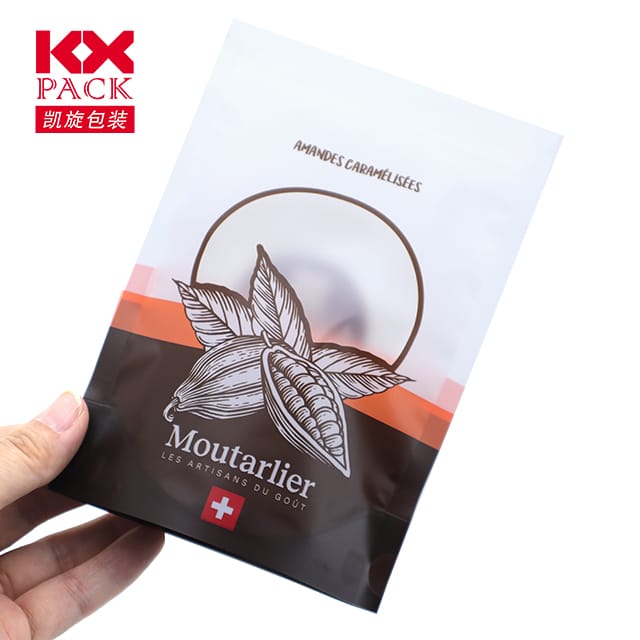
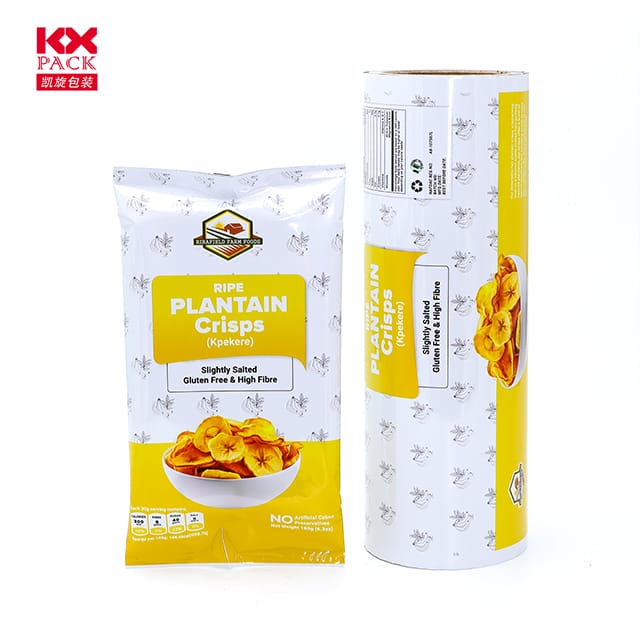
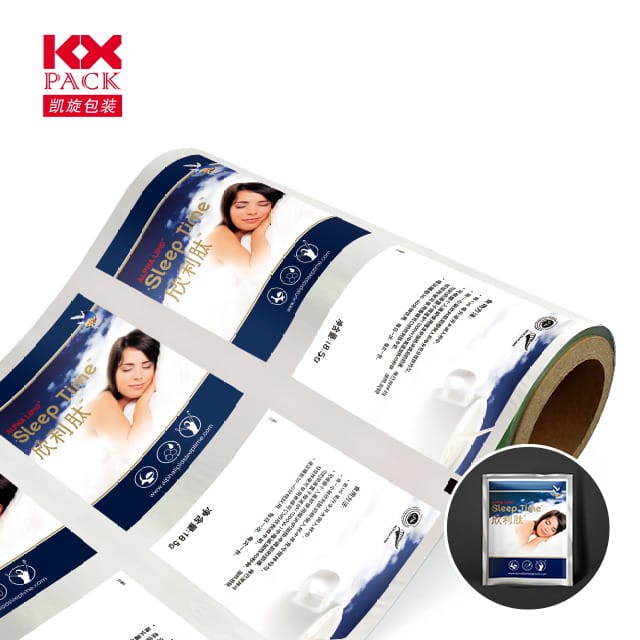
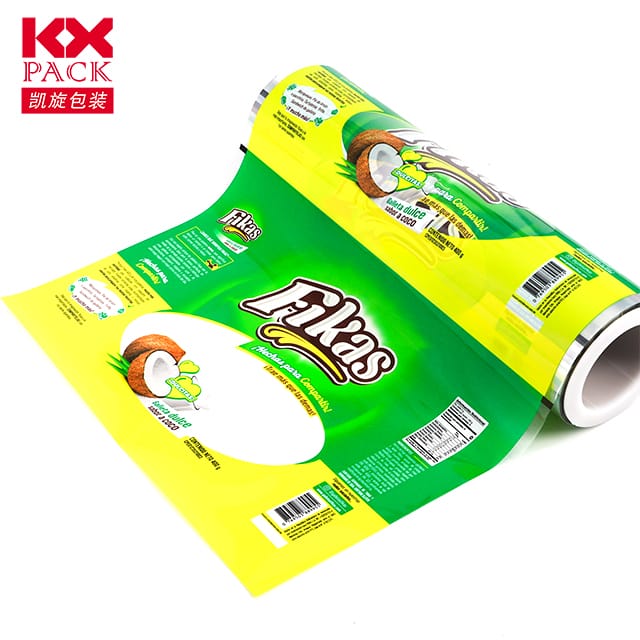
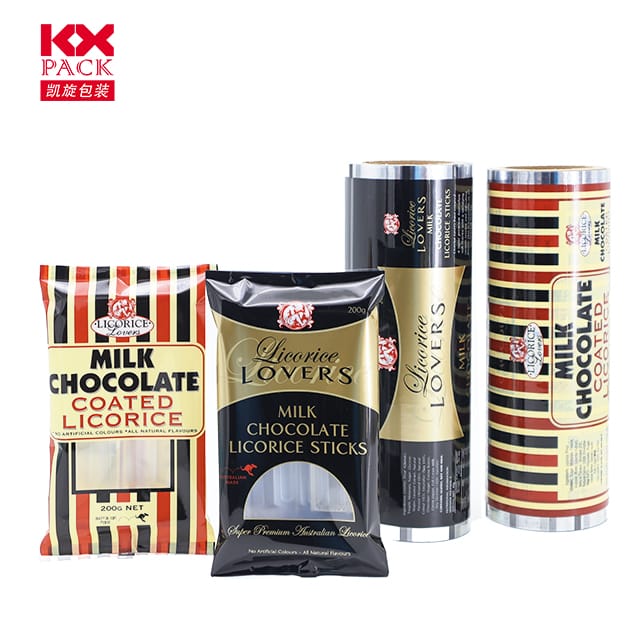
- Contenedores de comida, ampollas farmacéuticas, y las cajas de productos de lujo utilizan películas laminadas para protección y marca..
- Impresión y publicación:
- Tarjetas de visita, folletos, y las revistas están laminadas para resistir derrames y rasgaduras..
- Electrónica:
- Pantallas táctiles, paneles de visualización, y las placas de circuitos se basan en películas laminadas para su aislamiento y resistencia a los rayones..
- Automotor:
- Adornos interiores, componentes del tablero, y las películas para ventanas utilizan laminación para rechazar el calor y mejorar la estética..
- Moda y Textiles:
- Laminados impermeables en chaquetas., bolsas, y los zapatos combinan estilo con funcionalidad.
Elegir la laminación de película adecuada para su proyecto
- Compatibilidad de materiales:
- Asegúrese de que la película se adhiera bien a su sustrato (p.ej., El PET funciona mejor con superficies lisas).
- Tipo de acabado:
- Las películas brillantes mejoran la intensidad del color, mientras que los acabados mate reducen el brillo y las huellas dactilares.
- Factores ambientales:
- Opte por películas resistentes a los rayos UV para uso en exteriores o revestimientos antimicrobianos para entornos sanitarios..
- Sostenibilidad:
- Busque películas reciclables o compostables para alinearse con objetivos ecológicos..
Tendencias en laminación de películas
- Laminados inteligentes: Películas con sensores integrados o tecnología RFID para seguimiento y autenticación..
- Nano-Recubrimientos: Capas ultrafinas que repelen el agua., aceite, y suciedad a nivel microscópico.
- Texturas personalizables: Desde acabados suaves al tacto hasta acabados en relieve, Atendiendo a los mercados de lujo..
Conclusión
La laminación de películas es una herramienta poderosa para empresas y creativos que buscan proteger y mejorar sus productos.. Ya sea que estés diseñando envases llamativos, señalización duradera, o electrónica de alta tecnología, la película de laminación adecuada puede marcar la diferencia. Al comprender el proceso, beneficios, y aplicaciones, Puedes desbloquear nuevas posibilidades de innovación y calidad..
Listo para explorar la laminación de películas para su próximo proyecto? Comparta sus preguntas o experiencias en los comentarios a continuación; nos encantaría saber de usted.! 📦✨