Kunststofffolie zum Verpacken von Lebensmitteln: Komfort vs. Nachhaltigkeit – Was Sie wissen müssen (7)
Wrapping Plastic Film
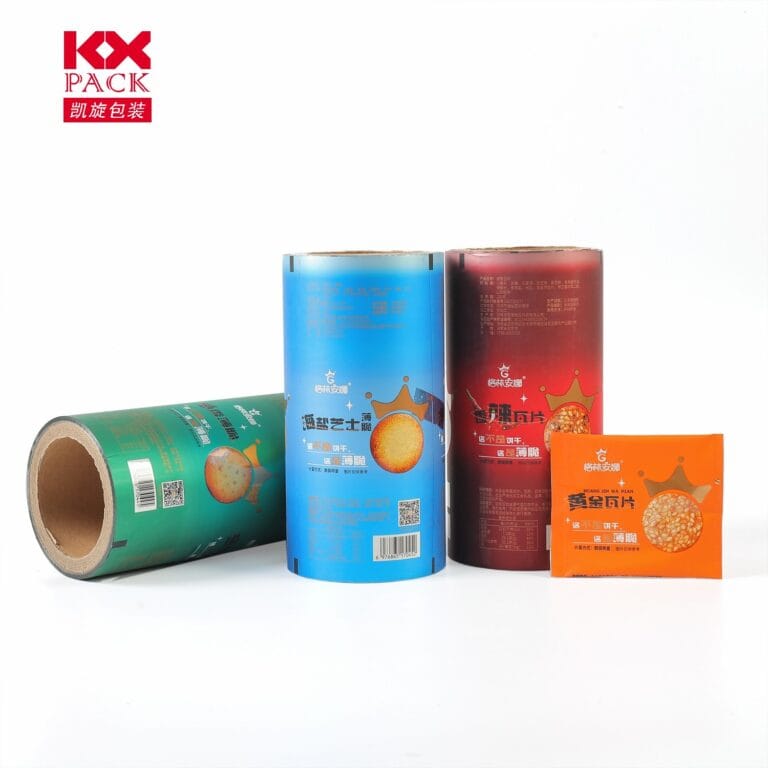
From wrapping leftovers to preserving freshness, Lebensmittelverpackung aus Kunststofffolie (allgemein als Frischhaltefolie bekannt, Plastikfolie, oder Saran Wrap) ist weltweit ein Grundnahrungsmittel für die Küche. Es ist dehnbar, transparent, und die luftdichten Eigenschaften machen es zu einer idealen Lösung, um Lebensmittelverschwendung zu reduzieren und Mahlzeiten frisch zu halten. Aber mit zunehmender Umweltbedenken wachsen, viele fragen sich: Is this convenience worth the cost to the planet? Let’s explore the pros, cons, und umweltfreundliche Alternativen.
The Benefits of Plastic Food Wrap
- Lebensmittelkonservierung
Wrapping Plastic Film creates a barrier against oxygen, Feuchtigkeit, und Verunreinigungen, extending the shelf life of perishables like fruits, Gemüse, und Fleisch. This helps households cut down on food waste—a critical issue given that roughly one-third of all food produced globally is lost or wasted. - Vielseitigkeit
It molds to any shape, whether you’re covering a bowl, wrapping a sandwich, or storing half an avocado. Its transparency also lets you see what’s inside without unwrapping. - Hygiene and Safety
When used correctly, Wrapping Plastic Film prevents cross-contamination between foods and keeps surfaces clean. - Affordability
Compared to reusable alternatives, single-use plastic wrap is often cheaper upfront, making it accessible for budget-conscious households.
The Environmental Downside
Trotz seiner Vorteile, traditional plastic food wrap poses significant challenges:
- Nicht biologisch abbaubar: Most Wrapping Plastic Film are made from polyethylene (SPORT), a material that takes Hunderte von Jahren zersetzen.
- Mikroplastikverschmutzung: When broken down, tiny plastic particles enter soil, Wasserstraßen, and even our food chain.(Wrapping Plastic Film)
- Herausforderungen beim Recycling: Many curbside recycling programs don’t accept plastic wrap due to contamination risks. Even “recyclable” films often end up in landfills.
- Resource Intensive: Producing plastic film relies on fossil fuels, contributing to carbon emissions.(Wrapping Plastic Film)
Eco-Friendly Alternatives to Plastic Food Wrap
Die gute Nachricht? Sustainable options are growing in popularity and effectiveness:
- Bienenwachs -Wraps
Made from cotton coated in beeswax, Jojobaöl, und Baumharz, these reusable wraps are pliable, breathable, and compostable after months of use. - Lebensmittelabdeckungen aus Silikon
Durable and airtight, silicone lids stretch over bowls or containers and can withstand high temperatures (great for reheating!). - Wiederverwendbare Stoffbezüge
Cotton or linen wraps with waterproof linings offer a washable, plastic-free solution for covering dishes.(Wrapping Plastic Film) - Behälter aus Glas oder Edelstahl
Investing in airtight containers eliminates the need for wrap altogether and keeps food fresher longer. - Essbare Filme
Innovations like seaweed-based wraps or starch-based coatings are biodegradable and even edible (though still niche).
How to Make Smarter Choices
- Reduzieren Sie die Nutzung: Only use plastic wrap when absolutely necessary (Z.B., for raw meat). Opt for reusable options first.
- Check Labels: Look for “biodegradable” or “compostable” films made from plant-based materials like PLA (Polylactsäure).
- Recycle Properly: If using plastic wrap, clean it thoroughly and check local guidelines for drop-off locations (some grocery stores accept it).
- Advocate for Change: Support brands prioritizing sustainable packaging and policies that reduce single-use plastics.
Das Fazit
While plastic food wrap offers undeniable convenience, its environmental impact is hard to ignore. By embracing reusable alternatives and reducing reliance on single-use plastics, we can protect our planet without sacrificing freshness. Small swaps in the kitchen add up to big changes for the Earth.
What’s your go-to method for keeping food fresh? Share your tips or favorite eco-friendly hacks in the comments below!
Schlüsselwörter: Lebensmittelverpackung aus Kunststofffolie, sustainable food storage, plastic wrap alternatives, umweltfreundliche Küche, Reduzierung der Lebensmittelverschwendung.