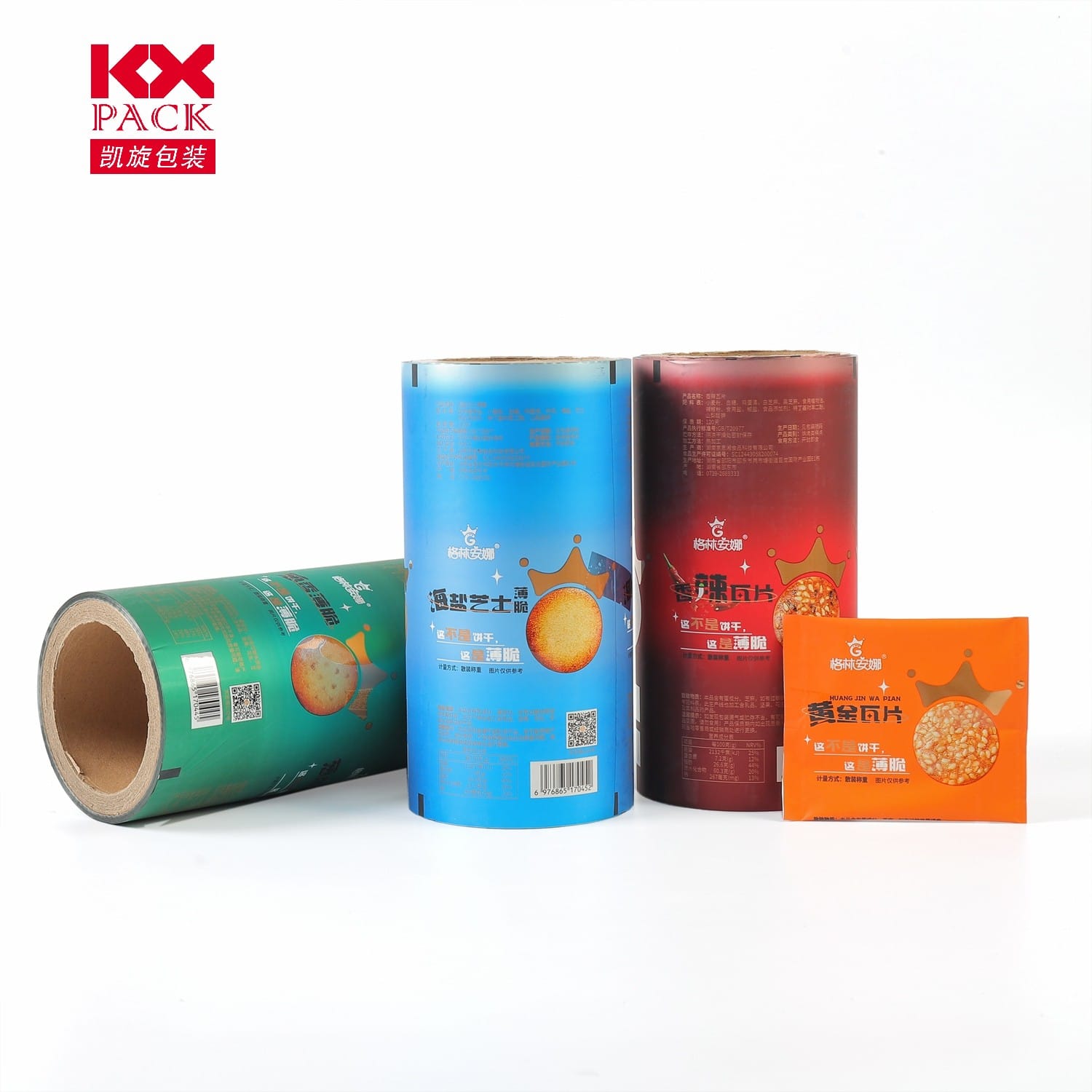
Die dynamische Welt der Kunststoff-Rollfolie: Innovation, Anwendungen, und Nachhaltigkeit
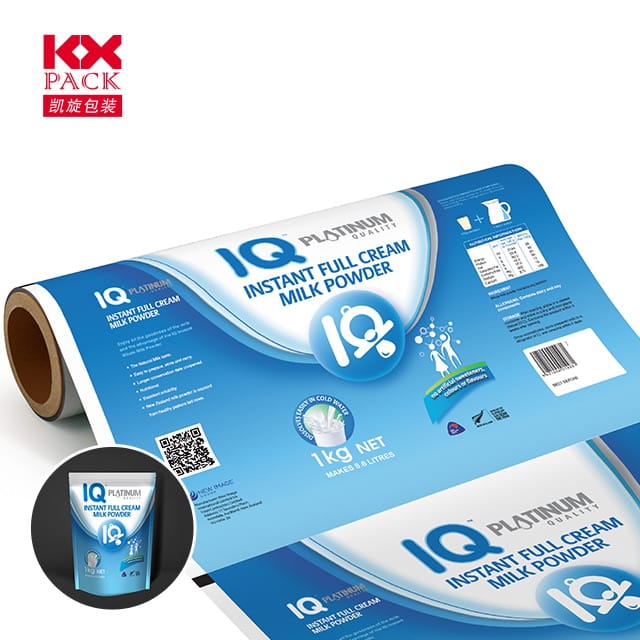
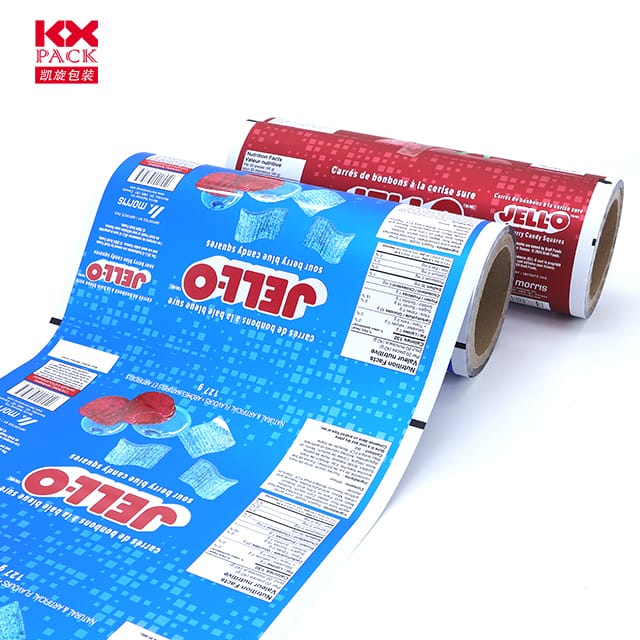
Plastikrollfilm
Plastic roll film, eine kontinuierliche Folie aus Kunststoffmaterial, die in Rollen gewickelt ist, ist branchenübergreifend zu einem unverzichtbaren Bestandteil geworden, von der Lebensmittelverpackung bis zur Luft- und Raumfahrttechnik. Seine Vielseitigkeit, Kosteneffizienz, and adaptability to automated processes have driven its global market to grow from97.11BillichON2024∗∗TOAProJecTeD∗∗158.21 billion by 2034, at a5% CAGR. This surge reflects evolving consumer demands, technologische Fortschritte, and a growing emphasis on sustainability.
A Material for Every Need: Types and Properties
Plastikrollfilm are not a one-size-fits-all solution. They are engineered with specific resins and manufacturing processes to meet diverse requirements:
- Polyethylen (SPORT) Filme
- Anwendungen: Lebensmittelverpackung, agricultural mulch, und Industrial Liner.
- Vorteile: Haltbarkeit, Feuchtigkeitsbeständigkeit, and cost efficiency. PE films dominate the market, particularly in flexible packaging, where they account for a significant share.
- Sustainability Challenge: Their longevity, while beneficial for product protection, poses environmental risks if not recycled. Innovationen wie chemical recycling—which breaks down PE into monomers for reuse—are addressing this by supporting circular economy models.
- Bixial orientiertes Polypropylen (BOPP) Filme
- Anwendungen: Snack packaging, Etiketten, und Laminate.
- Vorteile: High clarity, Stärke, und Hitzebeständigkeit. BOPP films are widely used in retail due to their printability and barrier properties against oxygen and moisture.
- Polyolefin Shrink Films
- Anwendungen: Unitizing products, Einzelhandelsdisplays, and beverage multipacks.
- Vorteile: Form-fitting when heated, providing tamper-evident seals and reducing material use compared to rigid packaging.(Plastikrollfilm)
- Spezialfilme
- Biologisch abbaubare Optionen: Made from plant-based resins like PLA, these films cater to eco-conscious brands.
- Multi-Layer Coextrusion: Combines layers of different polymers (Z.B., PE/EVOH) to enhance barrier properties for perishable goods.
Driving Industry Transformation: Key Trends
- Sustainability as a Core Focus
- Recyclinginfrastruktur: Advances in mechanical and chemical recycling are enabling the reuse of post-consumer films. Zum Beispiel, mono-material films (Z.B., Voll-PE-Beutel) Vereinfachen Sie Recyclingströme.
- Bio-basierte Alternativen: Companies are investing in bioplastics derived from sugarcane or algae to reduce reliance on fossil fuels.
- Technologische Innovation
- Smart Filme: Integration of sensors or QR codes for freshness tracking in food packaging.
- High-Barrier Coatings: Nanotechnology is being used to create ultra-thin, impermeable layers that extend product shelf life.
- Regional Market Shifts
- Asia-Pacific Dominance: Accounting for 40% des globalen Marktes In 2024, regions like China and India are driving demand for affordable packaging solutions.
- North American Growth: Die USA. market is expanding due to stringent food safety regulations and e-commerce boom, which favors lightweight, Schutzfilme.
Anwendungen in Branchen
- Essen und Trinken
- Frische Produkte: PE films with modified atmosphere properties extend the shelf life of fruits and vegetables.
- Snacks: BOPP films provide crisp packaging for chips and nuts, while shrink films bundle multipacks efficiently.
- Healthcare and Pharmaceuticals
- Sterile packaging for medical devices and drugs relies on high-barrier films to prevent contamination.
- Landwirtschaft
- Mulch films regulate soil temperature and moisture, boosting crop yields. Biodegradable versions are reducing plastic waste in farms.
- Konsumgüter
- Shrink-wrapped electronics or toys reduce shipping damage, while labeled BOPP films enhance brand visibility on shelves.
Der Weg voraus: Balancing Performance and Planet
While plastic roll films offer unmatched functionality, their environmental impact remains a concern. The industry is responding with:
- Erweiterte Herstellerverantwortung (EPR): Legislation in the EU and U.S. mandates manufacturers to fund recycling programs.
- Verbraucherbildung: Brands are highlighting recyclability and reduced material use in marketing campaigns.
- Collaborative Initiatives: Der Alliance to End Plastic Waste unites companies to invest in waste management infrastructure globally.
Abschluss
Plastic roll film is a testament to human ingenuity—a material that adapts to the needs of modern life while evolving to meet sustainability goals. As technology advances and circular economy practices become mainstream, the future of plastic films lies in balancing performance, kosten, und Umweltverantwortung. For businesses and consumers alike, choosing the right film means considering not just what it protects, but how it protects the planet.
Explore the possibilities of plastic roll film in your industry—and join the movement toward smarter, greener packaging solutions.