Der ultimative Leitfaden für Beutel und Verpackungsrollen in Lebensmittelqualität: Sicherung von Frische und Compliance
Wenn es um die Massenproduktion von Lebensmitteln geht, Die Wahl der richtigen flexiblen Verpackung ist nicht nur eine Designentscheidung – es ist eine wichtige Geschäftsentscheidung. Wenn Sie Inhaber einer Lebensmittelmarke sind, Beschaffungsspezialist, oder Snackhersteller, Ihre Verpackung muss drei Dinge einwandfrei erfüllen: Aufrechterhaltung der Produkthaltbarkeit, strenge Vorschriften zur Lebensmittelsicherheit einhalten, und laufen reibungslos auf automatisierten Hochgeschwindigkeitsmaschinen.
Zwei der effizientesten Formate, die die moderne Lebensmittelversorgungskette dominieren, sind Beutel in Lebensmittelqualität Und Lebensmittelverpackungsrollen (auch Rollmaterial genannt).
Aber wie wählt man zwischen einem vorgefertigten Beutel und automatisiertem Rollenmaterial?? Welche technischen Spezifikationen verhindern tatsächlich das Eindringen von Feuchtigkeit und Sauerstoff?? In diesem umfassenden Ratgeber, Wir werden die Mechanik zerlegen, materielle Strukturen, und regulatorische Standards hinter diesen wesentlichen Verpackungsformaten, um Ihnen bei der Optimierung Ihrer Produktionslinie zu helfen.
Die Kernkomponenten verstehen
Bevor wir uns mit der betrieblichen Effizienz befassen, Lassen Sie uns genau definieren, womit wir arbeiten und wie sie in die industrielle Lebensmittelproduktion passen.
Was ist ein Lebensmittelbeutel??
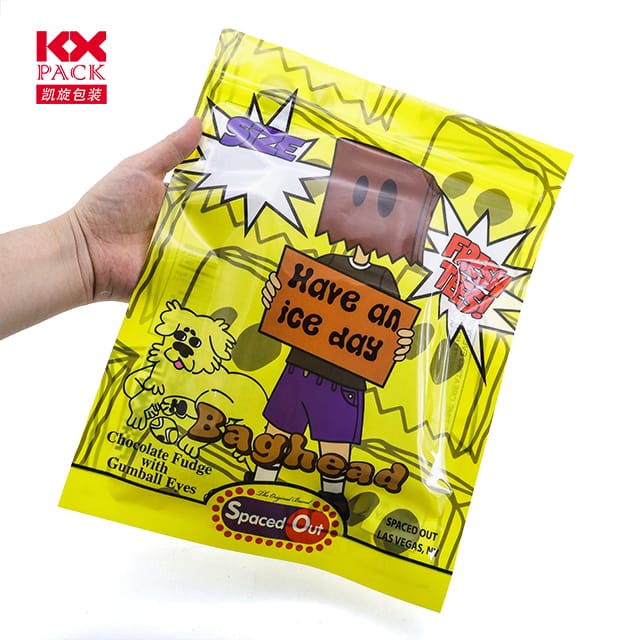
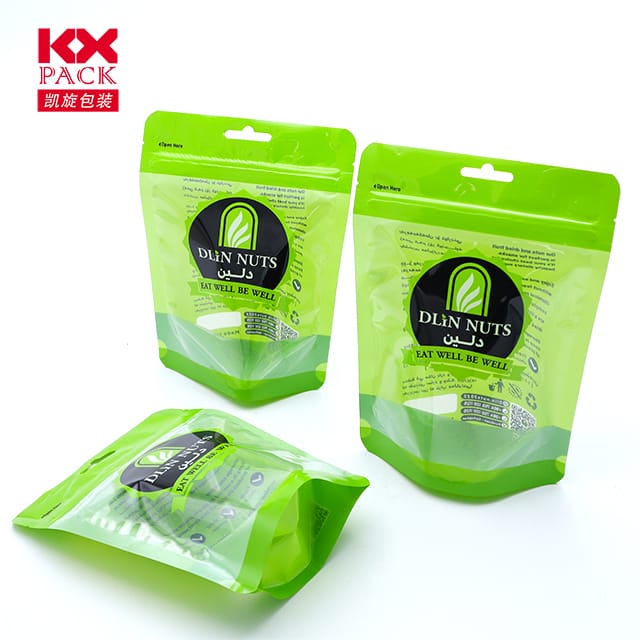
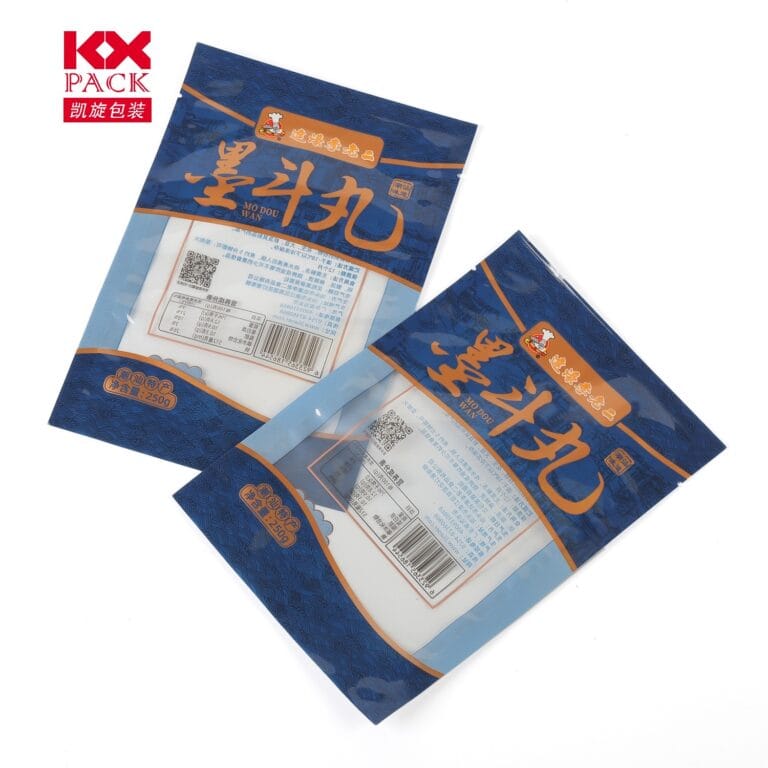
A Beutel in Lebensmittelqualität ist ein kleines, versiegelter Beutel, der typischerweise für Einzelportionen verwendet wird, Probepackungen, oder Gewürze. Denken Sie an Kaffeesticks, Zuckerpäckchen, Gewürzmischungen, und Nährpulver. Der Begriff “Lebensmittelqualität” bedeutet, dass die innere Schicht, die in direktem Kontakt mit dem Produkt steht, als völlig ungiftig und chemisch inert zertifiziert ist, Es wird sichergestellt, dass keine Schadstoffe in die Lebensmittel gelangen.
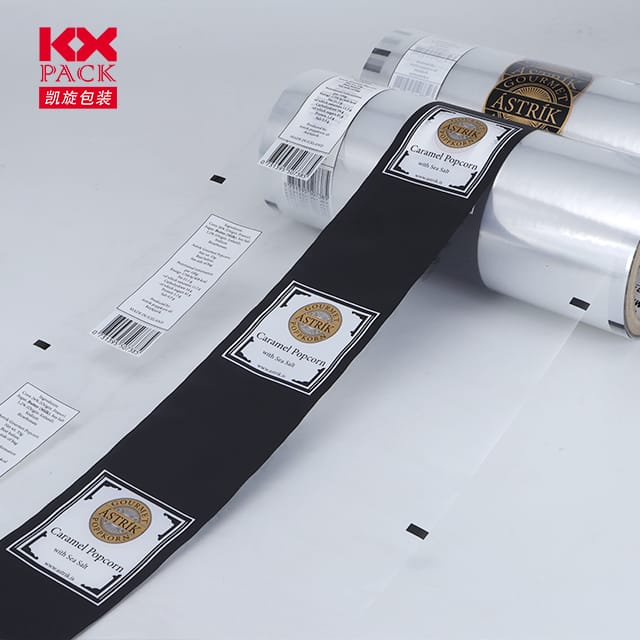
Was ist eine Lebensmittelverpackungsrolle??
A Lebensmittelverpackungsrollen (oder Rollstockfolie) ist das Kontinuierliche, ungeformtes bedrucktes Material, das um einen Kern gewickelt ist. Es wurde speziell für Form-Fill-Seal entwickelt (Ffs) Maschinen. Die automatisierte Maschine zieht die Folie von der Rolle, Formen Sie es zu einem Beutel oder Beutel, lässt das Lebensmittelprodukt hineinfallen, und verschweißt es – alles nahtlos in einem, Hochgeschwindigkeitsbetrieb.
Materialtechnik: Die mehrschichtige Barriere
Einschichtige Kunststoffe kommen in kommerziellen Lebensmittelverpackungen nur selten zum Einsatz. Zum Schutz von Lebensmitteln vor Umgebungsfeuchtigkeit, ultraviolettes Licht, und Sauerstoff, Hersteller verwenden coextrudierte oder laminierte Strukturen. Jede Schicht erfüllt eine ganz bestimmte Funktion:
- Äußere Schicht (HAUSTIER / BOPP): Dies ist das Drucksubstrat. Es bietet eine hervorragende Zugfestigkeit, hohe Hitzebeständigkeit (damit es beim Versiegeln nicht schmilzt), und eine glänzende oder matte Oberfläche für das Branding.
- Barriereschicht (AL / VMPET / Evoh): Das ist der Schild. Aluminiumfolie (AL) bietet eine nahezu perfekte Barriere gegen Licht und Gas, kann jedoch kostspielig sein. Vakuummetallisiertes PET (VMPET) bietet eine kostengünstige Alternative mit hervorragenden Reflexionseigenschaften, während Evoh eignet sich hervorragend für transparente Verpackungen, die eine hohe Sauerstoffbeständigkeit erfordern.
- Innere Lebensmittelkontaktschicht (SPORT / CPP): Die Versiegelungsschicht. Lineares Polyethylen niedriger Dichte (Llde) Und Gegossenes Polypropylen (CPP) haben niedrigere Schmelzpunkte, Dadurch können sie unter Hitze und Druck sicher verschmelzen und eine luftdichte Versiegelung schaffen, ohne die äußeren Schichten zu beeinträchtigen.

Hauptunterschiede: Vorgefertigte Beutel vs. Automatisiertes Rollmaterial
Wenn Sie die Produktion steigern, Die Entscheidung, ob fertige Beutel oder investitionsintensive Rollenware-Maschinen gekauft werden sollen, ist ein entscheidender Meilenstein.
| Feature | Beutel in Lebensmittelqualität (Vorgefertigt) | Lebensmittelverpackungsrollen(Rollmaterial) |
| Erstinvestition | Niedrig. Keine komplexen FFS-Maschinen erforderlich. | Hoch. Erfordert automatisierte Verpackungslinien. |
| Produktionsgeschwindigkeit | Langsamer (manuelle oder halbautomatische Befüllung). | Ultraschnell (Hunderte von Einheiten pro Minute). |
| Materialverschwendung | Minimaler Startabfall. | Mäßiger Einrichtungsabfall während der Kalibrierung. |
| Stückkosten | Höherer Stückpreis. | Deutlich niedrigere Stückkosten im großen Maßstab. |
| Am besten geeignet für | Markttests, kurze Läufe, diverse SKU-Linien. | Großvolumige Heftklammern, Kontinuierliche Produktion. |
Strikte Einhaltung: Was “Lebensmittelqualität” Wirklich bedeutet
Wenn es um internationale Lebensmittelgesundheitsstandards geht, können Sie sich keine Abkürzungen leisten. Bei der Suche nach einem zuverlässigen Herstellungspartner für Ihre Verpackung, Sie müssen überprüfen, ob ihre Anlage und ihre Rohstoffe über gültige Zertifizierungen verfügen.
Zumindest, Die Materialien müssen übereinstimmen FDA (Lebensmittel- und Arzneimittelbehörde) Vorschriften für den Kontakt mit Lebensmitteln. Für Marken, die nach Europa exportieren, Einhaltung EU-Rahmenverordnung (EC) NEIN 1935/2004 ist Pflicht. Außerdem, Suchen Sie nach Lieferanten, die unter folgenden Bedingungen tätig sind: BRCGS (Globaler Standard des British Retail Consortium) oder ISO 22000 Managementsysteme für Lebensmittelsicherheit.
Bitten Sie Ihren Lieferanten immer um eine formelle Vereinbarung Konformitätserklärung (DoC) und Schwermetallmigrationstestberichte, bevor die Massenproduktion freigegeben wird.
Häufige Fallstricke bei der Beschaffung von Sachets und Rollenmaterial
Über Jahrzehnte im Umgang mit Problemen in Fabrikhallen, Wir sehen, dass sich dieselben Fehler wiederholen. Vermeiden Sie diese drei häufigen Versäumnisse:
1. Falscher Reibungskoeffizient (COF)
Wenn Ihre Lebensmittelverpackungsrolle einen zu hohen oder zu niedrigen COF aufweist, Es wird nicht richtig durch automatisierte Verpackungsmaschinen transportiert. Schlupf führt zu falsch ausgerichteten Schnitten, während übermäßige Reibung die Maschine nach unten zieht, was Staus und Tränen verursacht.
2. Unzureichende Heißsiegelfestigkeit
Pulverförmige oder ölige Lebensmittel (wie Kollagenpulver oder Salatdressings) kann bei Hochgeschwindigkeitsbefüllung den Dichtungsbereich verunreinigen. Wenn Ihre innere PE- oder CPP-Schicht nicht für die Abdichtung ausgelegt ist durch Kontamination, Es kommt zu mikroskopisch kleinen Lecks, die die Haltbarkeit beeinträchtigen.
3. Ignorieren der Speicherumgebung
Flexible Verpackungsmaterialien reagieren schon vor ihrem Einsatz empfindlich auf extreme Temperaturen und Feuchtigkeit. Rollen feucht lagern, Eine nicht konditionierte Lagerung kann dazu führen, dass sich die Schichten lösen oder die für einen sauberen Druck erforderliche Oberflächenspannung zerstört wird.
Abschluss: Den richtigen strategischen Schritt machen
Wählen Sie zwischen vorgefertigten Beutel in Lebensmittelqualität und automatisiert Lebensmittelverpackungsrollen läuft auf Ihr aktuelles Produktionsvolumen und Ihre langfristige Skalierungsstrategie hinaus. Für aufstrebende Marken oder limitierte Produktlinien, Vorgefertigte Beutel reduzieren Ihr Risiko im Vorfeld von Maschinen. Für etablierte Hersteller, die die Stückkosten senken und den täglichen Durchsatz maximieren möchten, Die Investition in Premium-Rollmaterial und automatisierte FFS-Systeme ist der Goldstandard.
Stellen Sie sicher, dass Sie mit einem erfahrenen Partner zusammenarbeiten, zertifizierte Verpackungsfabrik, die sich mit Materialwissenschaften auskennt, Migrationsgrenzen, und Maschinenkompatibilität. Sorgen Sie für die richtige Verpackung, und das Produkt im Inneren wird für sich selbst sorgen.