Erkundung der Welt des Verpackungsfilms von Food Grade: Innovation, Sicherheit, und Nachhaltigkeit
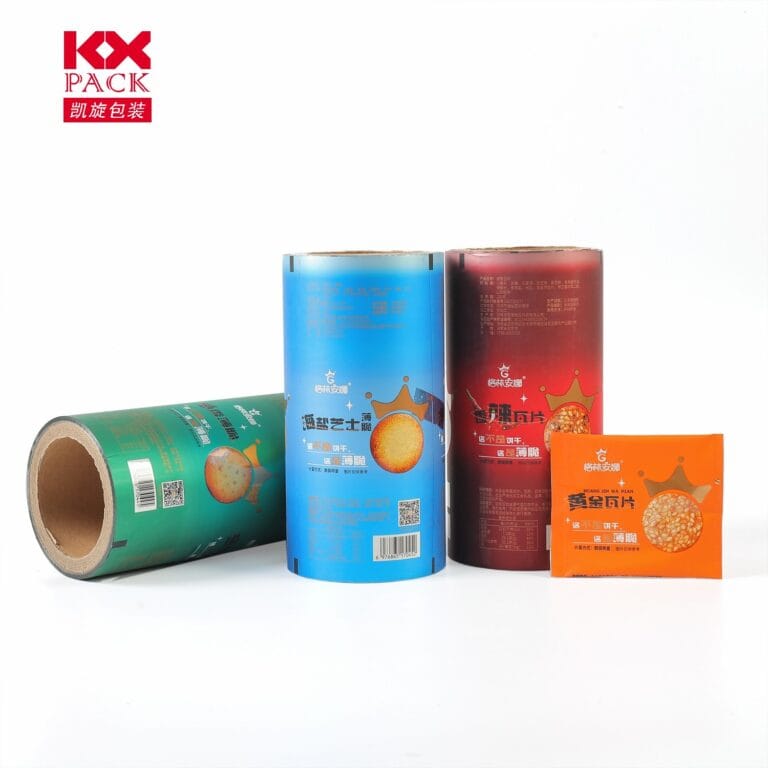
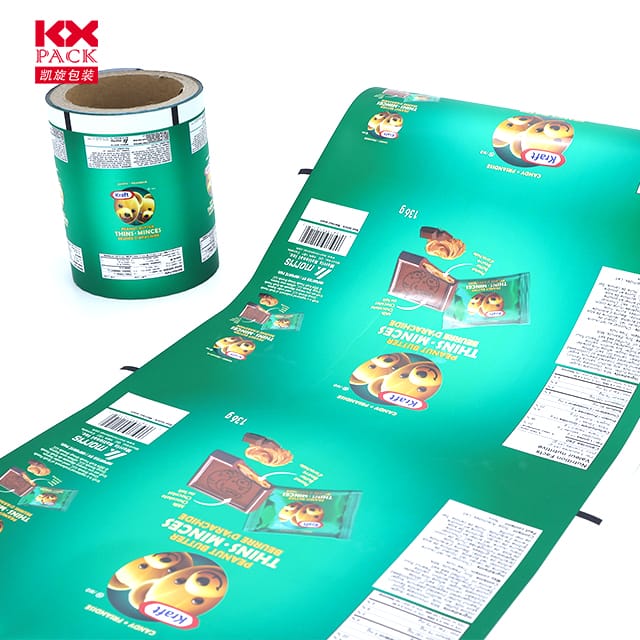
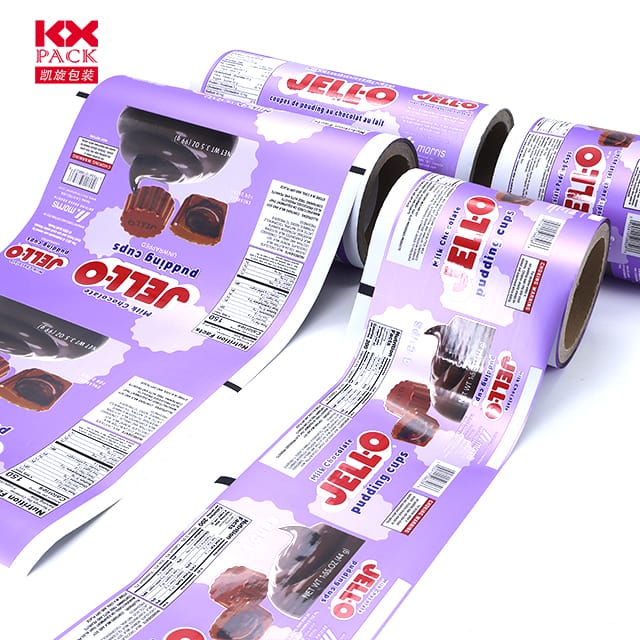
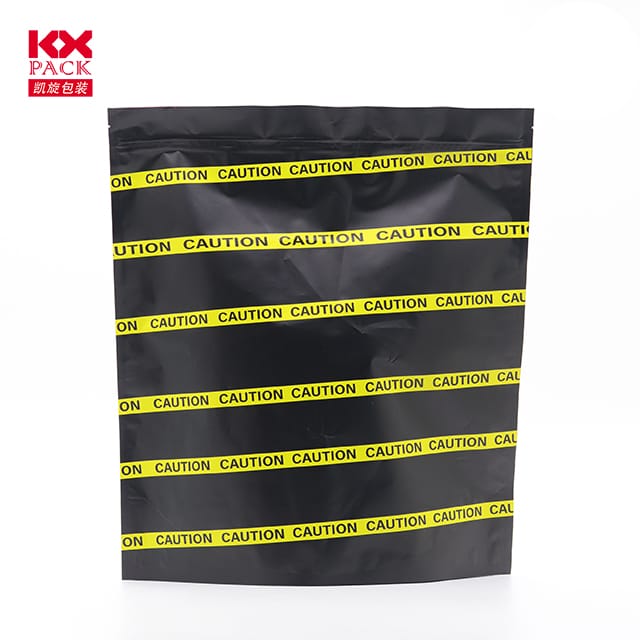
Food Grade Packaging Film
In der dynamischen Landschaft der Lebensmittelverpackung, food grade packaging film stands as a cornerstone of innovation, Gewährleistung der Produktsicherheit, Frische, und Nachhaltigkeit. Wenn sich die Anforderungen der Verbraucher weiterentwickeln und die Umweltprobleme wachsen, Die Materialien und Technologien hinter diesen Filmen haben bemerkenswerte Fortschritte erfahren. Let’s delve into the key aspects that make food grade packaging film indispensable in today’s market.
1. Ensuring Safety and Hygiene
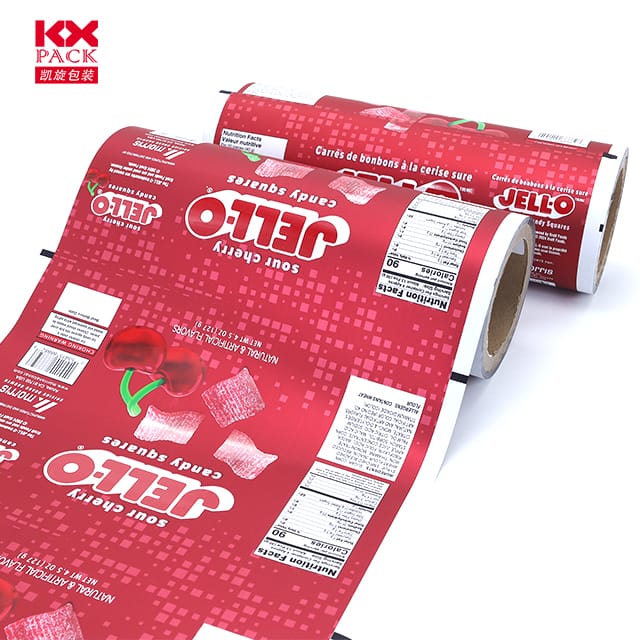
Food grade packaging film is engineered to act as a barrier against external contaminants, Feuchtigkeit, und Licht, preserving the nutritional integrity and freshness of food products. Zum Beispiel, metallized CPP (Gegossenes Polypropylen) Filme are widely used in flexible packaging due to their high barrier properties, robustness, und Kosteneffizienz. These films are coated with aluminum, enhancing their ability to protect food from oxygen and moisture, thereby extending shelf life and reducing spoilage.
Darüber hinaus, the use ofsterile materials such as plastics and glass, combined with rigorous hygiene practices during packaging, ensures that food products remain safe from pathogens and bacteria. Standards like theUS FDA and China’sGB-9687 regulate the composition, Zusatzstoffe, and toxicological requirements of these films, guaranteeing their safety for food contact.
2. Advancements in Antimicrobial Technologies
One of the most exciting developments in food grade packaging film is the integration ofantimikrobielle Eigenschaften. Films infused with inorganic agents like silver, copper, or titanium dioxide (TiO₂) leverage photocatalytic reactions to generate reactive oxygen species (ROS) that destroy microorganisms on contact. Zum Beispiel, TiO₂-based films produce hydroxyl and oxygen free radicals under light exposure, effectively breaking down organic compounds in bacteria and fungi.
Composite antimicrobial films, combining organic and inorganic agents, offer enhanced efficacy. A notable example is theorganic-inorganic hybrid developed by China’s National Engineering Research Center, which addresses the limitations of single-agent systems by broadening the antimicrobial spectrum and reducing the required concentration of active ingredients.
3. Sustainability and Eco-Friendly Solutions
As environmental awareness rises, the food packaging industry is shifting towardbiodegradable and compostable materials. Filme auspolyvinyl alcohol (PVA), Zellulose, or starch-based polymers are gaining traction as alternatives to traditional plastics. Zum Beispiel, PVC cling films from manufacturers like Qingdao Longyouru Packing Co., Ltd., though durable and moisture-resistant, are being complemented by eco-friendly options that minimize ecological footprints.
Reusable or refillable containers, along with innovations likeedible films (Z.B., those made from seaweed or alginate), are reducing waste and offering novel consumer experiences. These films not only preserve food but also dissolve safely, eliminating the need for disposal.
4. Intelligente Verpackung: Die Zukunft der Lebensmittelkonservierung
Die Integration vonsensors and indicators into food grade packaging film is revolutionizing food safety and quality monitoring. Smart films can track temperature, Luftfeuchtigkeit, and gas composition within packages, providing real-time data to consumers and manufacturers. This technology helps prevent foodborne illnesses by alerting users to potential spoilage or contamination risks.
Zum Beispiel, modified atmosphere packaging (KARTE), when combined with smart films, can dynamically adjust gas levels to optimize food preservation. This is particularly valuable for perishable goods like meat, Molkerei, and fresh produce.
5. Customization and Market Adaptation
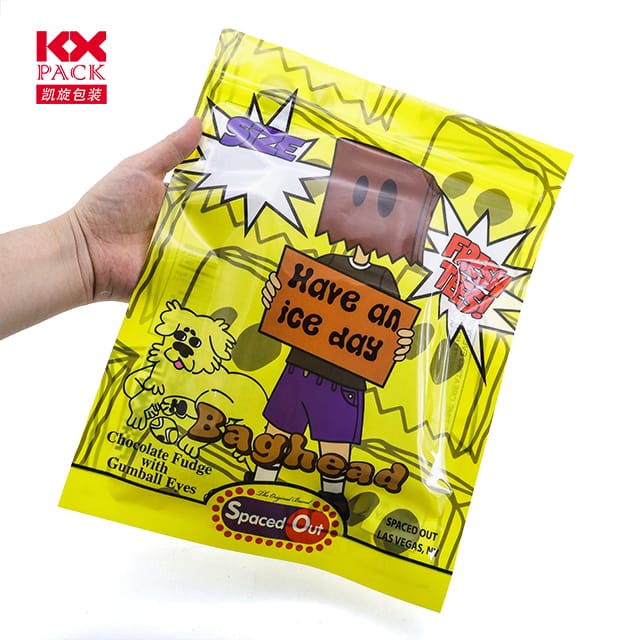
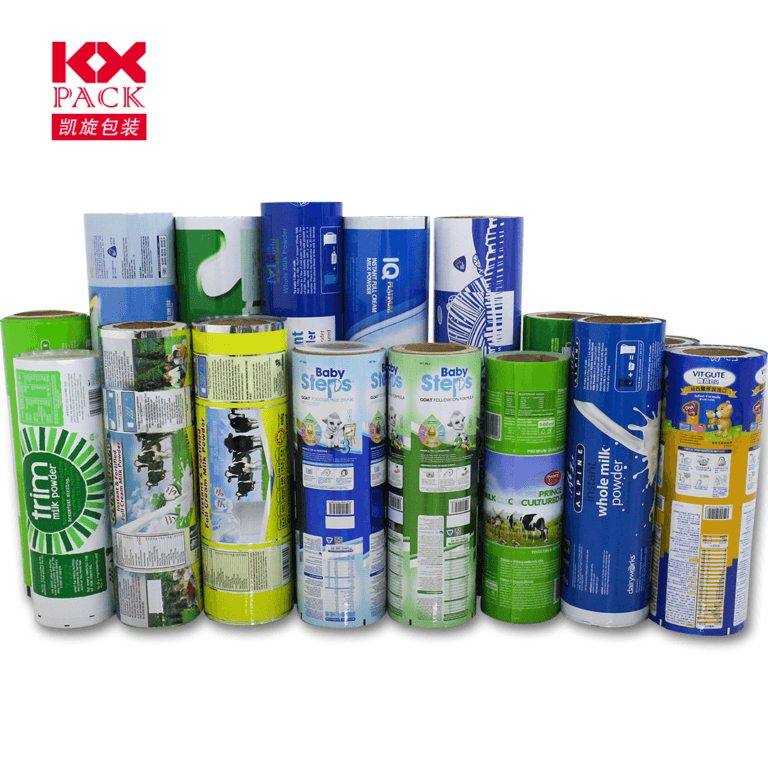
Manufacturers like Shandong Focus Packing Materials Co., Ltd., and Guangdong Danqing Printing Co., Ltd., offercustomizable food grade packaging films tailored to specific industry needs. Whether it’s for snacks, Getränke, or pharmaceuticals, these films can be engineered with varying thicknesses (19–150 microns), Beschichtungen, and printability to suit diverse applications.
The global market for food grade packaging film is expanding, driven by demands forBequemlichkeit, portion control, and transparency. Films with resealable closures, microwave-safe properties, and easy-open designs cater to modern lifestyles, while clear labeling and branding opportunities enhance consumer engagement.
Abschluss
Food grade packaging film is more than just a protective layer—it’s a testament to innovation in material science, Sicherheitsstandards, und Nachhaltigkeit. As the industry continues to evolve, we can expect further breakthroughs in antimicrobial technologies, umweltfreundliche Materialien, and smart packaging solutions. These advancements will not only extend the shelf life of food but also empower consumers with greater choice and transparency in their purchasing decisions.
In a world where food safety and environmental responsibility are paramount, food grade packaging film remains at the forefront of ensuring that our meals are fresh, safe, and sustainably packaged.