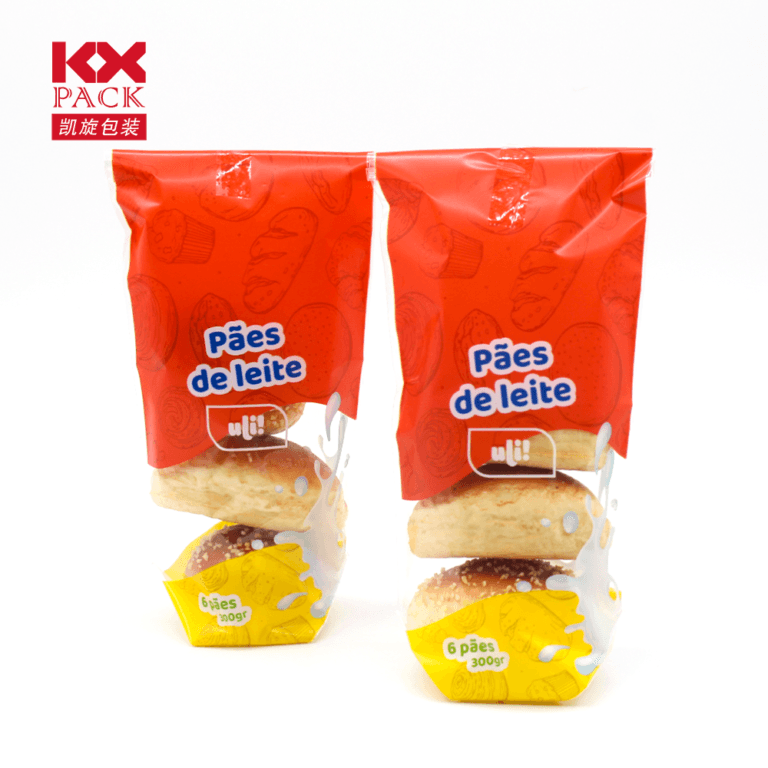
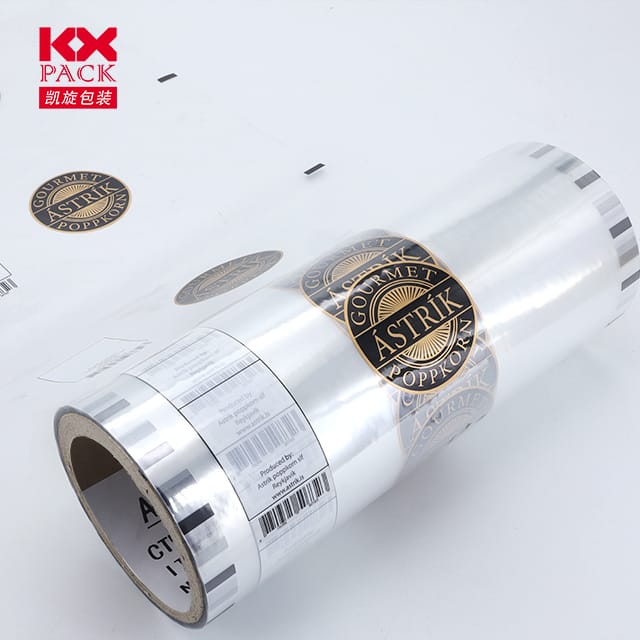
Det tveæggede sværd af plastikfilm i fødevareemballage: Bekvemmelighed vs. Bæredygtighed
Plastfilm
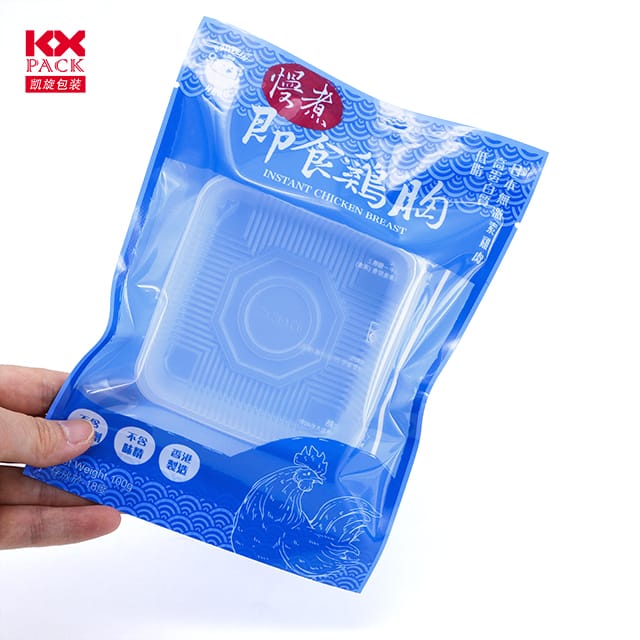
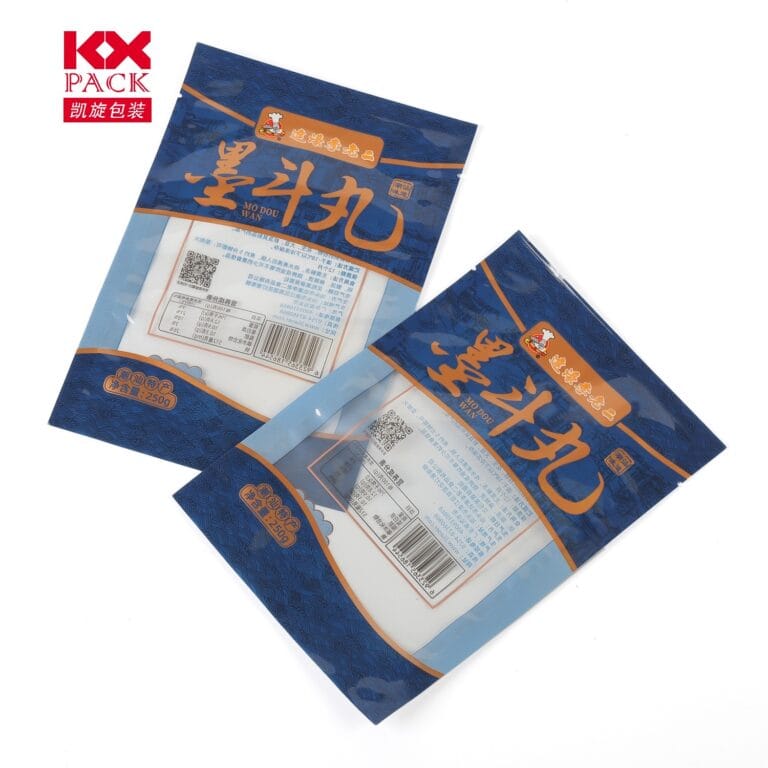
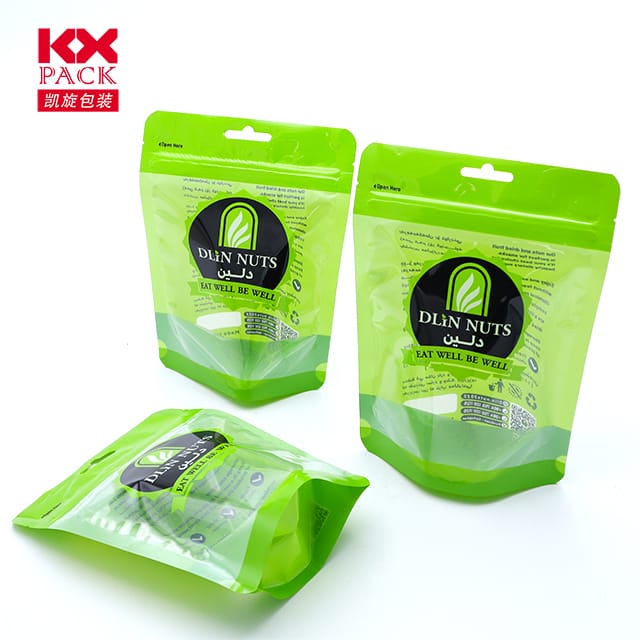
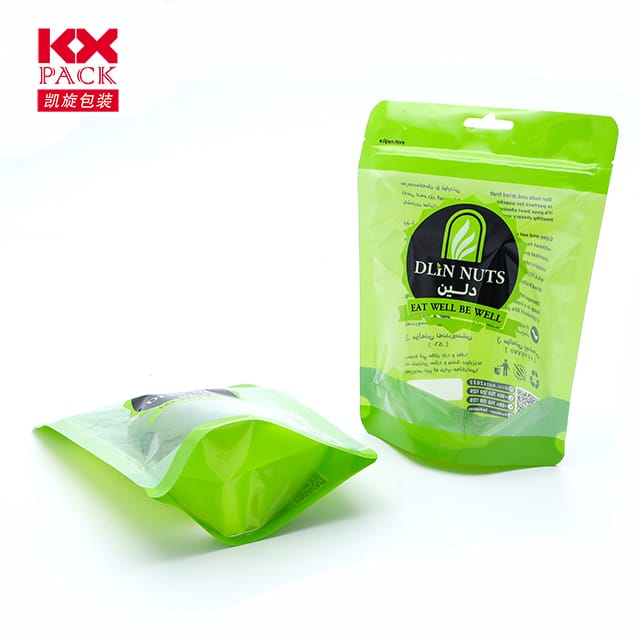
I supermarkeder verden over, plastikfilm pakker alt fra friske råvarer til færdiglavede måltider, sikrer friskhed og forlænger holdbarheden. Endnu, efterhånden som miljøhensyn stiger, disse gennemsigtige, alsidige materialer ansigtskontrol. Lad os udforske plastfilms rolle i fødevareemballage, deres fordele, ulemper, og innovationerne, der former en grønnere fremtid.
1. Hvorfor plastfilm dominerer fødevareemballage
Plastfilm - tynde lag af polymerer sompolyethylen (PE), polypropylen (PP), og polyvinylchlorid (PVC)- er allestedsnærværende med god grund:
- Bevaringskraft: De fungerer som barrierer mod ilt, fugtighed, og forurenende stoffer, bremse fordærv. F.eks, emballage med modificeret atmosfære (KORT) bruger plastfilm til at regulere gasniveauet, holde jordbær friske i uger.
- Omkostningseffektivitet: Fremstilling af plastfilm er billigere end alternativer som glas eller metal, hvilket gør dem ideelle til massemarkedsvarer.
- Let og fleksibel: Deres formbarhed tillader tilpassede former til snacks, kød, og oste, reducere materialespild sammenlignet med stiv emballage.
- Gennemsigtighed: Klare film giver forbrugerne mulighed for at inspicere produkter uden at åbne dem, øge tilliden og reducere madspild fra beskadigede varer.
2. Miljøafgiften: En krise på vej
På trods af deres fordele, plastikfilm bidrager væsentligt til den globale forurening:
- Dominans til engangsbrug: Over 80% af plastikfilm bruges én gang og kasseres, ender på lossepladser eller oceaner. EN 2022 undersøgelse viste, at plastemballage tegner sig for 46% af det globale plastikaffald, med film som en stor synder.
- Genbrugsudfordringer: De fleste film er ikke genanvendeligt på grund af forurening (f.eks., madrester) eller blandede materialer (f.eks., PE kombineret med klæbemidler). Kun 4% af plastikfilm genbruges i USA, ifølge EPA.
- Mikroplastisk trussel: Nedbrudte film bryder ind i mikroplast, infiltrerende økosystemer og endda menneskekroppe. Forskning tyder på, at den gennemsnitlige person indtager 5 gram mikroplast ugentligt- svarende til et kreditkort.
3. Innovationer, der omdefinerer plastfilm
Industrien drejer sig mod bæredygtighed gennem disse gennembrud:
- Biologisk nedbrydelige alternativer:
- Polymælkesyre (PLA): Afledt af majsstivelse, PLA-film nedbrydes i industrielle kompostere indeni 90 dage. Mærker som NatureWorks bruger PLA til friske salater og sandwich.
- Cellulose-baserede film: Fremstillet af plantefibre, disse film er spiselige og hjemmekomposterbare. Virksomheder kan lide TYPE tilbyder komposterbare wraps til granolabarer og kaffepuder.
- Avancerede genbrugsteknologier:
- Kemisk genbrug: Processer som pyrolyse nedbryde blandet plast til råmaterialer til nye film. Nestlé og Danone investerer i denne teknologi for at genbruge fleksibel emballage.
- Enzymatisk nedbrydning: Startups som Carbios bruge enzymer til at depolymerisere PET-film til genanvendelige monomerer, at lukke løkken.
- Smarte film for forlænget holdbarhed:
- Aktiv emballage: Film fyldt med iltfjernere eller antimikrobielle midler (f.eks., sølv nanopartikler) kan fordoble levetiden for letfordærvelige varer som kød og ost.
- Spiselige belægninger: Tynde lag af chitosan (fra skaldyr) eller bivoks skabe åndbare barrierer, reducere afhængigheden af syntetisk plast.
4. Vejen frem: Balancering af praksis og planet
Mens innovationer er lovende, systemiske ændringer er nødvendige:
- Politik push: Regeringer skal håndhæve udvidet producentansvar (EPJ) love, krav om, at mærker skal finansiere genbrugsinfrastruktur. EU's Direktivet om engangsplastik forbyder ikke-komposterbare film af 2030.
- Forbrugernes adfærdsændringer: At uddanne kunder til at vælge genanvendelige beholdere eller bulkkøb kan reducere filmforbruget. Zero-waste butikker, som giver kunderne mulighed for at fylde deres egne krukker, vinder indpas.
- Branchesamarbejde: Initiativer som Nyt globalt engagement i plastøkonomi forene 500+ virksomheder for at fjerne problematisk plastik og booste genbrugsindhold i film.
Konklusion: Genovervejelse af "Wrap" på fødevareemballage
Plastfilm er et vidnesbyrd om menneskelig opfindsomhed – beskyttelse af mad, reducere affald, og muliggør global fødevarehandel. Endnu, deres miljøomkostninger kræver omgående handling. Ved at omfavne biologisk nedbrydelige materialer, investere i genbrugsteknologi, og redesign af systemer til cirkularitet, vi kan bevare både bekvemmelighed og planeten.
Næste gang du pakker en snack ud, spørg dig selv: Kunne denne film være en del af løsningen, ikke problemet? Del dine bæredygtige emballagehacks i kommentarerne! 🌍🍴