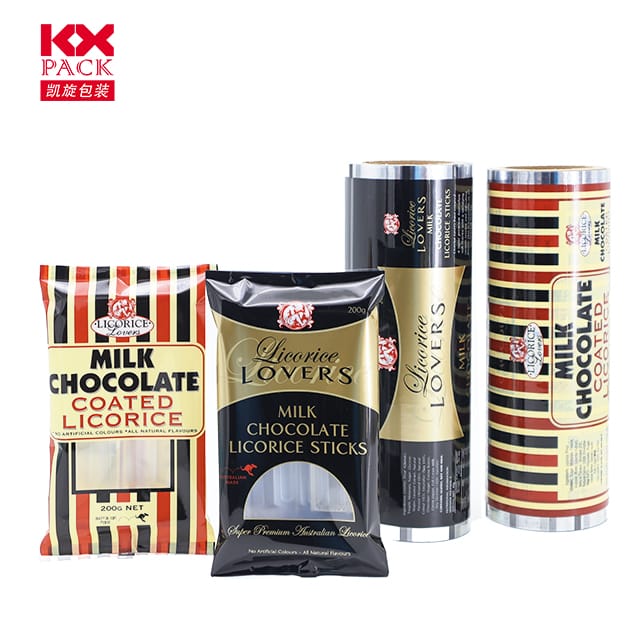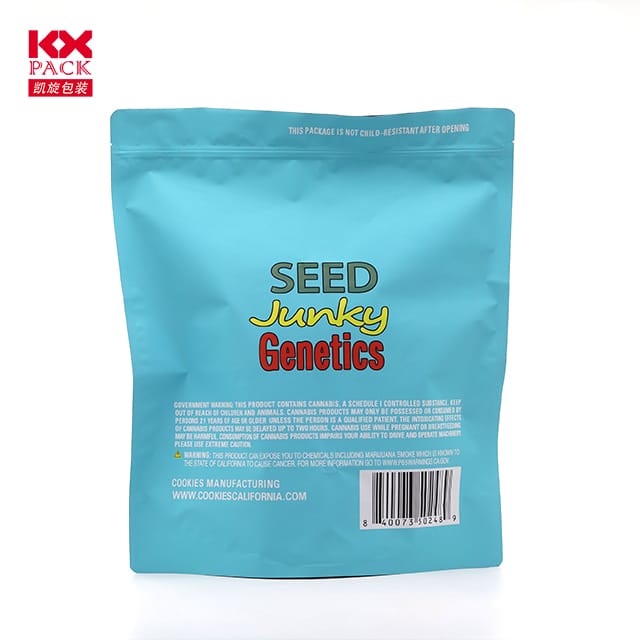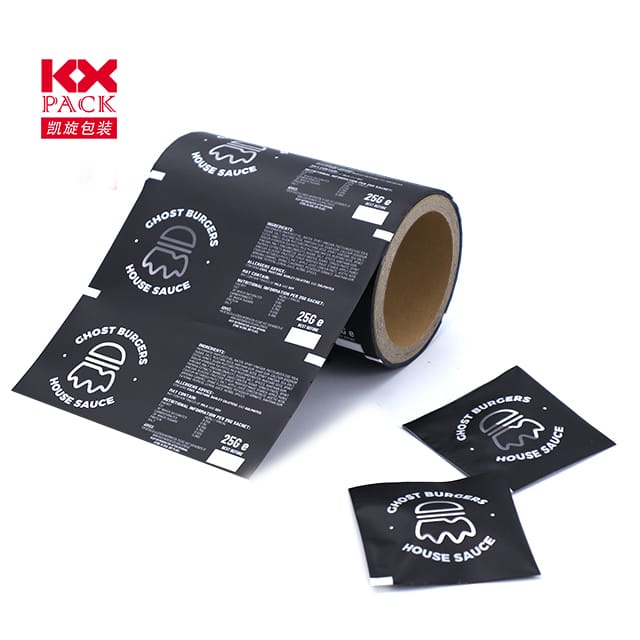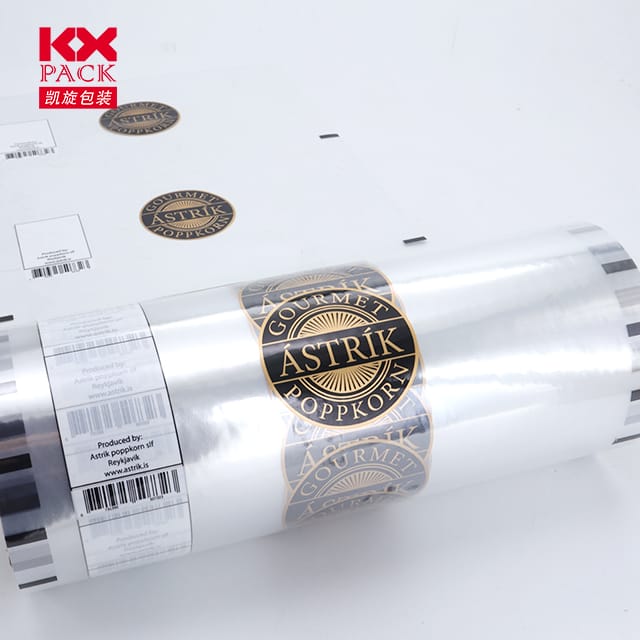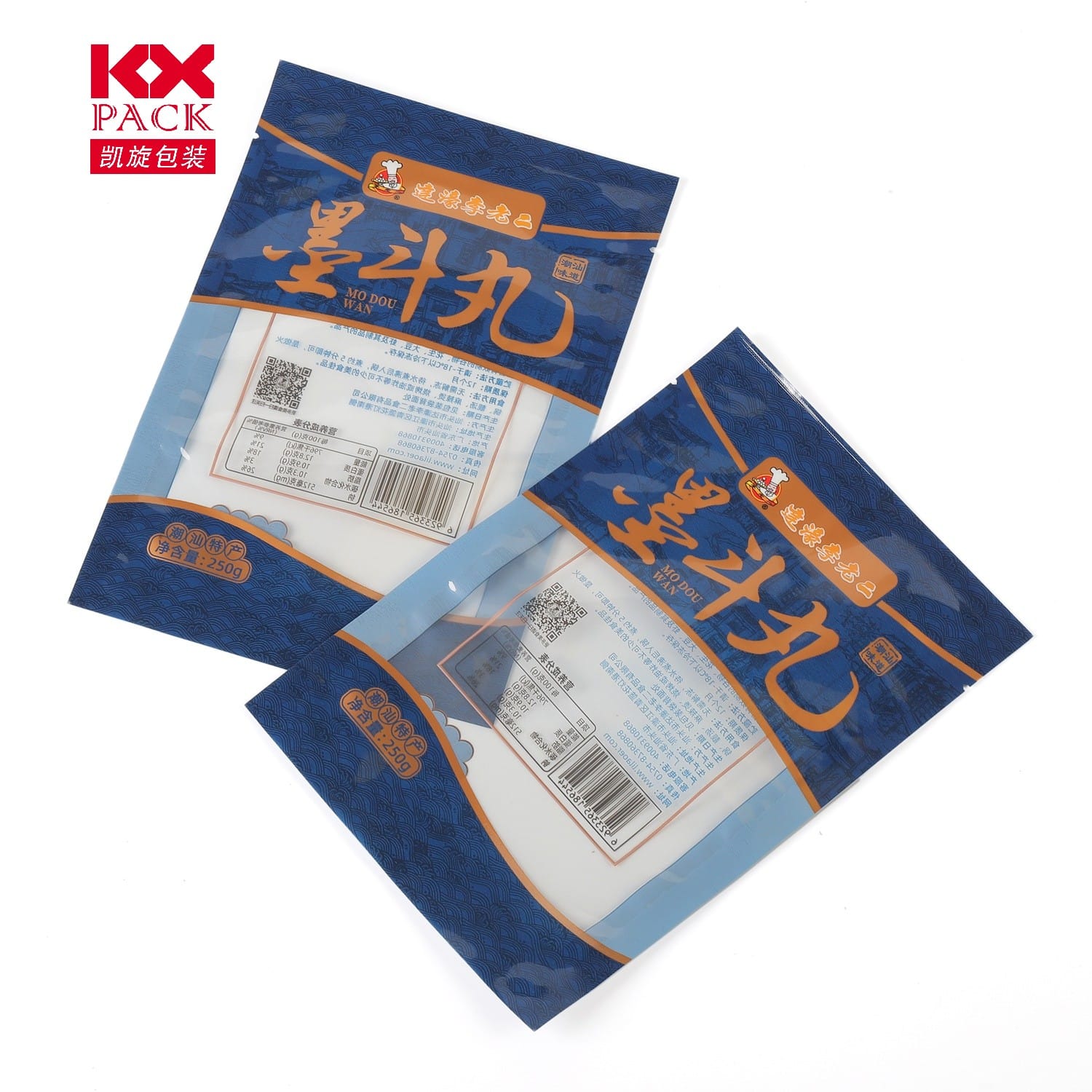
Film de plàstic d’embolcall d’aliments: Conveniència vs. Sostenibilitat: el que cal saber (7)
Wrapping Plastic Film
From wrapping leftovers to preserving freshness, Film de plàstic d’embolcall d’aliments (conegut comunament com a film aferrat, embolcall de plàstic, o Saran Wrap) és una base de cuina a tot el món. És estirat, transparent, i les propietats hermètiques la converteixen en una solució ideal per reduir el malbaratament d'aliments i mantenir els àpats frescos. Però a mesura que creixen les preocupacions mediambientals, Molts es qüestionen: Is this convenience worth the cost to the planet? Let’s explore the pros, cons, and eco-friendly alternatives.
The Benefits of Plastic Food Wrap
- Food Preservation
Wrapping Plastic Film creates a barrier against oxygen, humitat, i contaminants, extending the shelf life of perishables like fruits, verdures, and meats. This helps households cut down on food waste—a critical issue given that roughly one-third of all food produced globally is lost or wasted. - Versatilitat
It molds to any shape, whether you’re covering a bowl, wrapping a sandwich, or storing half an avocado. Its transparency also lets you see what’s inside without unwrapping. - Hygiene and Safety
When used correctly, Wrapping Plastic Film prevents cross-contamination between foods and keeps surfaces clean. - Affordability
Compared to reusable alternatives, single-use plastic wrap is often cheaper upfront, making it accessible for budget-conscious households.
The Environmental Downside
Despite its perks, traditional plastic food wrap poses significant challenges:
- No biodegradable: Most Wrapping Plastic Film are made from polyethylene (PE), a material that takes hundreds of years per descompondre.
- Contaminació microplàstica: When broken down, tiny plastic particles enter soil, vies d'aigua, and even our food chain.(Wrapping Plastic Film)
- Recycling Challenges: Many curbside recycling programs don’t accept plastic wrap due to contamination risks. Even “recyclable” films often end up in landfills.
- Resource Intensive: Producing plastic film relies on fossil fuels, contributing to carbon emissions.(Wrapping Plastic Film)
Eco-Friendly Alternatives to Plastic Food Wrap
La bona notícia? Sustainable options are growing in popularity and effectiveness:
- Embolcalls de cera d'abella
Fet amb cotó recobert de cera d'abella, oli de jojoba, i resina d’arbre, these reusable wraps are pliable, breathable, and compostable after months of use. - Cobertures d'aliments de silicona
Durable and airtight, silicone lids stretch over bowls or containers and can withstand high temperatures (great for reheating!). - Cobertes de teixits reutilitzables
Cotton or linen wraps with waterproof linings offer a washable, plastic-free solution for covering dishes.(Wrapping Plastic Film) - Envasos de vidre o acer inoxidable
Investing in airtight containers eliminates the need for wrap altogether and keeps food fresher longer. - Films comestibles
Innovations like seaweed-based wraps or starch-based coatings are biodegradable and even edible (though still niche).
How to Make Smarter Choices
- Reduir l'ús: Only use plastic wrap when absolutely necessary (P., for raw meat). Opt for reusable options first.
- Check Labels: Look for “biodegradable” or “compostable” films made from plant-based materials like PLA (àcid polilàctic).
- Recycle Properly: If using plastic wrap, clean it thoroughly and check local guidelines for drop-off locations (some grocery stores accept it).
- Advocate for Change: Support brands prioritizing sustainable packaging and policies that reduce single-use plastics.
The Bottom Line
While plastic food wrap offers undeniable convenience, its environmental impact is hard to ignore. By embracing reusable alternatives and reducing reliance on single-use plastics, we can protect our planet without sacrificing freshness. Small swaps in the kitchen add up to big changes for the Earth.
What’s your go-to method for keeping food fresh? Share your tips or favorite eco-friendly hacks in the comments below!
Paraules clau: Film de plàstic d’embolcall d’aliments, sustainable food storage, plastic wrap alternatives, eco-friendly kitchen, Reducció de residus d’aliments.