Pel·lícula d'embalatge: L'heroi no reconegut del consumisme modern
Pel·lícula d'embalatge
En el món del comerç, on les primeres impressions són importants i la protecció del producte no és negociable, pel·lícula d'embalatge té un paper silenciós però fonamental. Des del segell cruixent del vostre cereal del matí fins als palets embolicats en un magatzem, aquest material flexible manté els productes segurs, fresc, i visualment atractiu. Desenvasem la ciència, innovació, i la sostenibilitat darrere de la pel·lícula d'embalatge, i per què és més que només “embolcall de plàstic.”
Què és la pel·lícula d'embalatge?
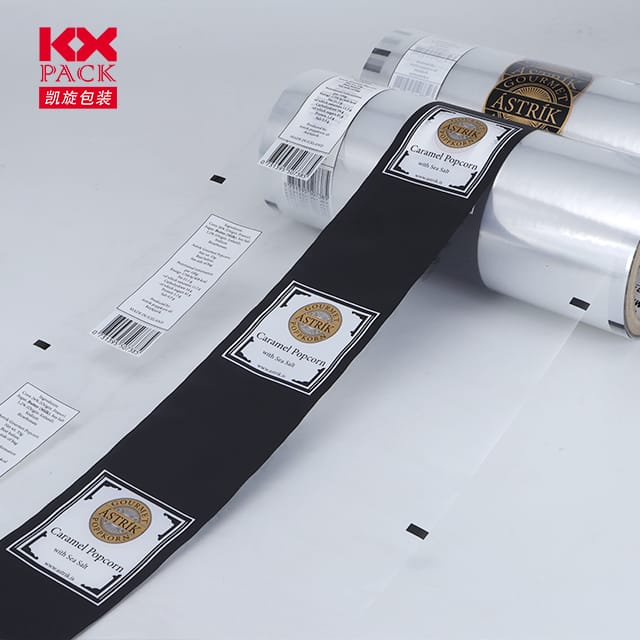
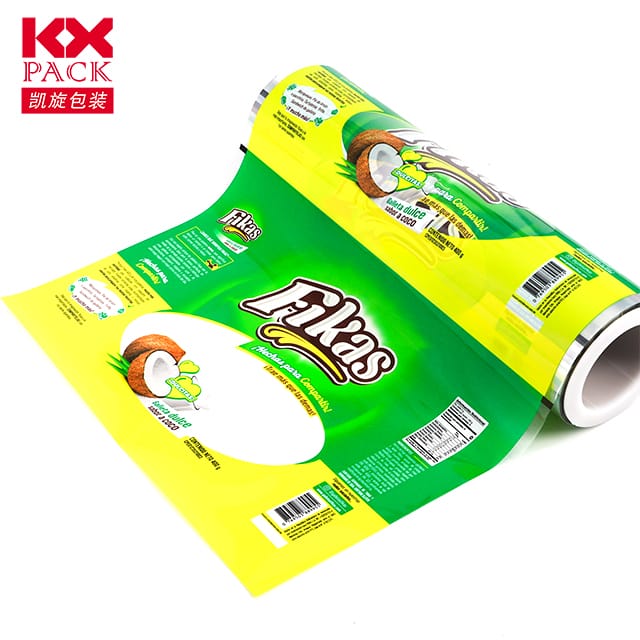
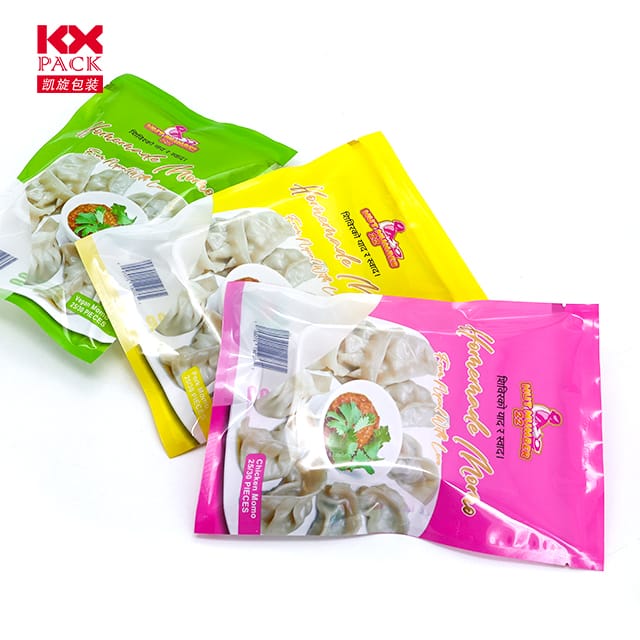
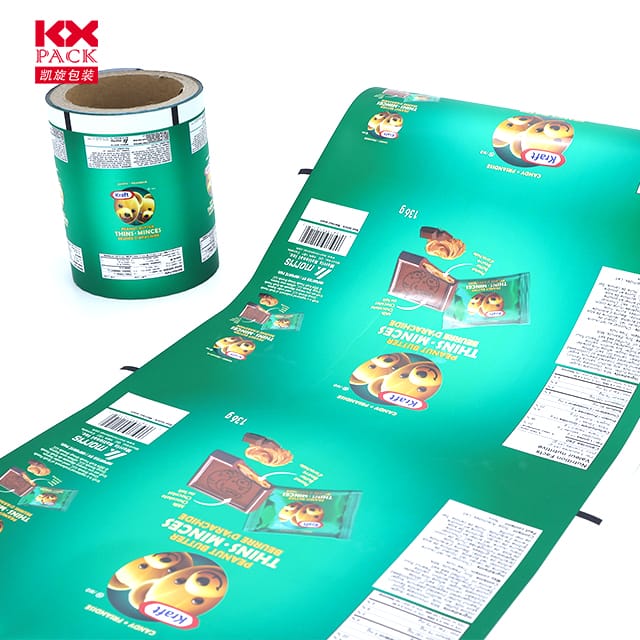
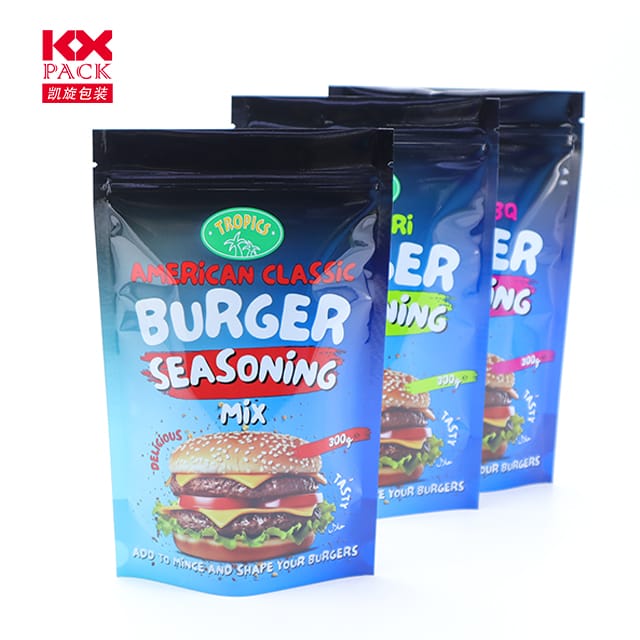
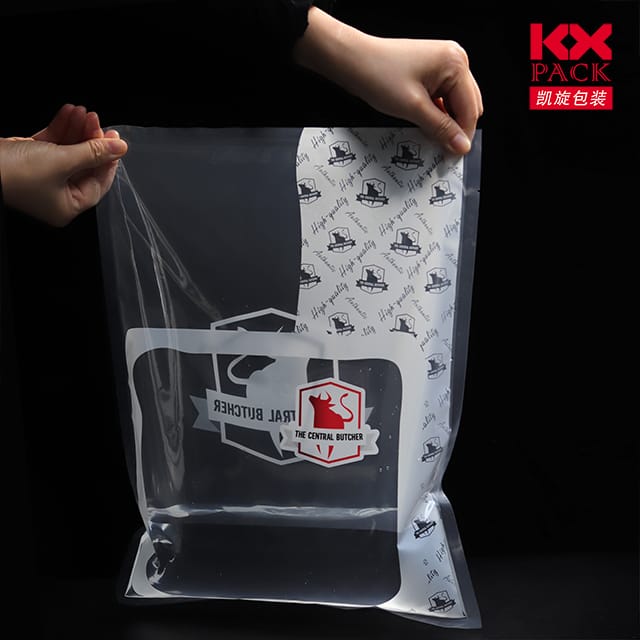
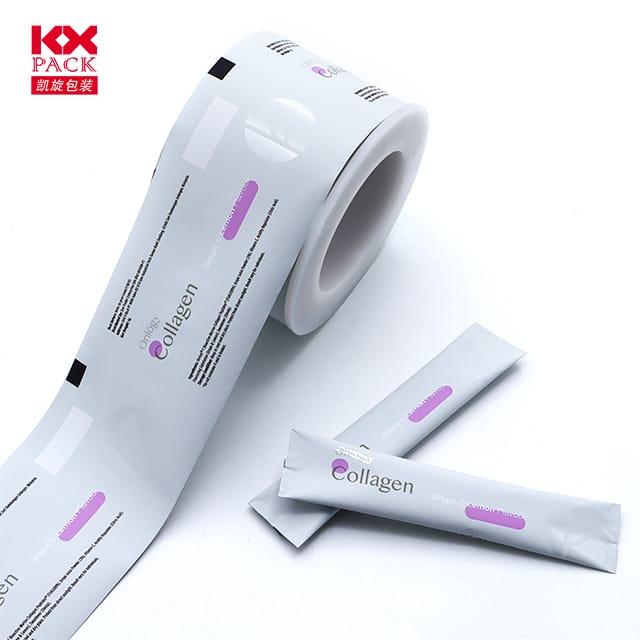
La pel·lícula d'embalatge és fina, material flexible (sovint fet de polímers com el polietilè, polipropilè, o alternatives biodegradables) utilitzat per embolicar, segell, o protegir les mercaderies. Es presenta de diverses formes:
- Pel·lícula estirada: Per empaquetar palets o assegurar articles durant l'enviament.
- Pel·lícula retràctil: S'encongeix fortament quan s'escalfa, creant un segell a prova de manipulacions.
- Pel·lícules de barrera: Bloqueja l'oxigen, humitat, o lleuger per conservar aliments i productes farmacèutics.
- Pel·lícules biodegradables: Opcions ecològiques fetes amb materials vegetals o polímers compostables.
Per què és tan essencial?
- Protecció del producte:
- Protegeix els articles de la pols, humitat, i danys físics.
- Allarga la vida útil dels productes peribles (p. ex., carn, formatge, produir) evitant el deteriorament.
- Visibilitat de marca:
- Les pel·lícules impreses a mida converteixen els envasos en una eina de màrqueting, reforçar la identitat de marca.
- Eficiència & Estalvi de costos:
- Lleuger i que estalvia espai, reduir els costos d'enviament i la petjada de carboni.
- La maquinària automatitzada permet l'envasament d'alta velocitat per a la producció en massa.
- Conveniència:
- Les cremalleres que es poden tornar a tancar o les funcions d'esquinçament fàcil milloren l'experiència de l'usuari.
Innovacions que impulsen el futur
La indústria de la pel·lícula d'embalatge està evolucionant ràpidament per satisfer les demandes de sostenibilitat i les necessitats funcionals:
- Materials sostenibles:
- Les marques estan canviant cap a biodegradable, compostable, o pel·lícules reciclables (p. ex., PLA, derivat del midó de blat de moro).
- Reciclat post-consum (PCR) el contingut és cada cop més comú.
- Embalatge intel·ligent:
- Pel·lícules incrustades amb sensors o codis QR seguiment de la frescor, detectar fuites, o proporcionar mesures contra la falsificació.
- Pel·lícules comestibles (fet d'algues o midó) estan sorgint per als embolcalls alimentaris d'un sol ús.
- Més prim, Pel·lícules més fortes:
- La nanotecnologia millora les propietats de barrera, permetent pel·lícules més fines sense sacrificar la força.
- Solucions d'Economia Circular:
- Les empreses estan dissenyant pel·lícules per facilitar el reciclatge o la reutilització (p. ex., bosses monomaterials).
Reptes a l'horitzó
Malgrat els seus beneficis, la pel·lícula d'embalatge s'enfronta a crítiques:
- Residus plàstics: Les pel·lícules d'un sol ús contribueixen als abocadors i a la contaminació dels oceans.
- Obstacles de reciclatge: Pel·lícules multicapa (habitual en envasos d'aperitius) són difícils de reciclar.
- Cost vs. Sostenibilitat: Les alternatives ecològiques sovint costen més, alentir l'adopció.
El camí que hi ha a davant: Equilibri entre innovació i responsabilitat
El futur de la pel·lícula d'embalatge rau enmés intel·ligent, solucions més ecològiques:
- Col·laboració de la indústria: Marques, proveïdors, i els recicladors han de treballar junts per normalitzar els materials ecològics.
- Educació del Consumidor: Fomentar el reciclatge i l'eliminació adequada de les pel·lícules.
- Empenta normativa: Els governs estan introduint prohibicions dels plàstics d'un sol ús, incentivant la innovació.
Conclusió
La pel·lícula d'embalatge és un testimoni de l'enginy humà: una petita capa que salvaguarda, promou, i connecta els productes amb els consumidors. Mentre lluitem per un futur més sostenible, el repte és aprofitar el seu potencial sense comprometre el planeta. Ja sigui a través de materials biodegradables, tecnologies intel·ligents, o disseny circular, la propera generació de pel·lícules d'embalatge redefinirà com protegim, present, i percebre els béns que estimem.
Quina és la teva opinió? Prioritzeu els envasos ecològics?, o la funcionalitat és la vostra principal preocupació? Comentem als comentaris! 🌱📦
Sigues curiós, i subscriu-te per obtenir més informació sobre els materials que configuren el nostre món! 🚀