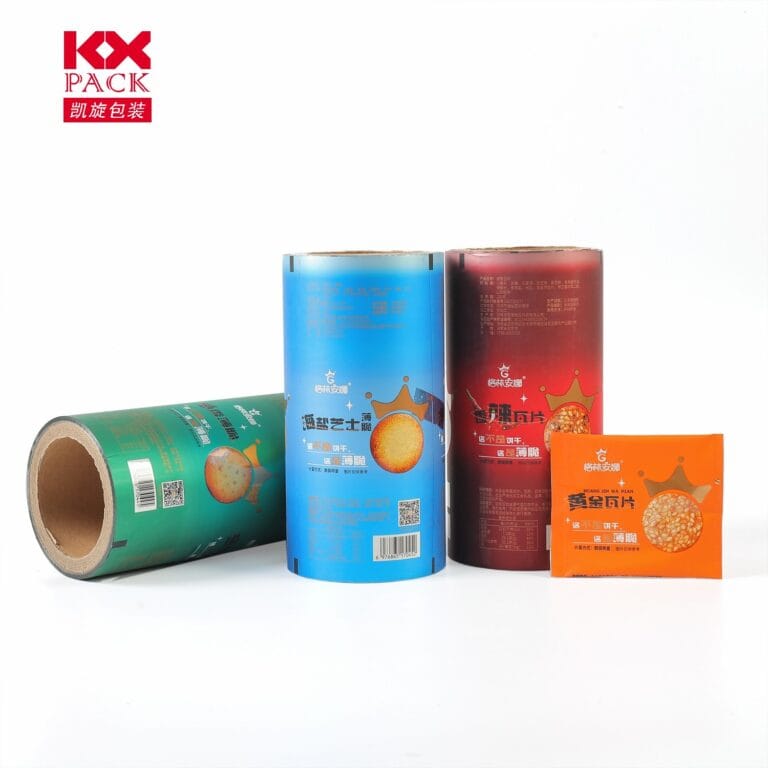
مصانع تغليف المواد الغذائية الذكية: كيف تعمل التكنولوجيا على تحسين عمليات الإنتاج والتعبئة
مقدمة
The global food industry is undergoing a profound transformation driven by rapid technological advancement. في عصر يطلب فيه المستهلكون المزيد من الأمان, أعذب, أطول أمدا, والمنتجات المعبأة بشكل أكثر استدامة, لم تعد صناعة تغليف المواد الغذائية التقليدية قادرة على مواكبة التقدم. ارتفاع تكاليف العمالة, لوائح أكثر صرامة لسلامة الأغذية, منافسة عالية, and environmental responsibilities have pushed the entire supply chain toward smarter, more automated, وحلول أكثر كفاءة. At the heart of this revolution are مصانع تغليف المواد الغذائية الذكية — modern production facilities that integrate automation, data analytics, artificial intelligence, and advanced machinery to redefine how food is processed, packed, مختوم, and delivered.
مصانع تغليف المواد الغذائية الذكية are not just equipped with faster machines; they operate as interconnected, self-optimizing systems that improve accuracy, تقليل النفايات, enhance safety, and lower operational costs. For food manufacturers, brand owners, and supply chain professionals, understanding how these intelligent facilities work is essential to staying competitive in a fast-changing market. This article explores the core technologies, operational advantages, and real-world impacts of مصانع تغليف المواد الغذائية الذكية, revealing how digital transformation is reshaping production and packaging processes for the better.
بنهاية هذه المقالة, you will gain a clear understanding of the role of automation, إنترنت الأشياء, منظمة العفو الدولية, and intelligent monitoring systems in modern packaging lines. You will also learn how مصانع تغليف المواد الغذائية الذكية improve food safety, boost productivity, ensure consistency, and support sustainable development goals. This is not just the future of food packaging — it is the present reality that is redefining industry standards worldwide.
What Are Smart Food Packaging Factories?
Before diving into technical details, it is important to define what makes a factory “smart.” مصانع تغليف المواد الغذائية الذكية are highly digitized production environments where machines, systems, and processes communicate in real time. They use a combination of hardware and software to automate repetitive tasks, analyze production data, predict errors, الحفاظ على الجودة, and optimize overall efficiency.
Unlike traditional factories, which rely heavily on manual labor, manual inspection, and fixed production settings, smart factories adapt dynamically to changing conditions. They can adjust packaging speed, detect defects, monitor ingredient ratios, manage inventory, and even predict maintenance needs before breakdowns occur. This level of intelligence reduces human error, increases output, and ensures that every packaged product meets strict quality and safety standards.
The core philosophy of مصانع تغليف المواد الغذائية الذكية is data-driven decision-making. Every step — from raw material handling to final packaging and shipping — is recorded, analyzed, and improved continuously. This creates a self-optimizing production cycle that becomes more efficient over time. For food businesses, this means higher yield, تكاليف أقل, better product quality, and stronger consumer trust.
باختصار, مصانع تغليف المواد الغذائية الذكية represent the integration of industry 4.0 technologies into food packaging production. They combine mechanical precision with digital intelligence to create a safer, أسرع, and more sustainable manufacturing model.
Core Technologies Powering Smart Food Packaging Factories
Several key technologies enable the high performance of مصانع تغليف المواد الغذائية الذكية. Each plays a unique role in streamlining processes and improving outcomes.
One of the most foundational technologies is automation and robotics. Automated filling, ختم, وضع العلامات, and capping machines eliminate inconsistencies caused by human labor. Robotic arms handle delicate food items with precision, reducing damage and contamination risks. In many مصانع تغليف المواد الغذائية الذكية, entire production lines operate with minimal human intervention, ensuring continuous, stable output.
Another critical technology is the Internet of Things (إنترنت الأشياء). Sensors placed on machines and packaging lines track temperature, رطوبة, ضغط, سرعة, and seal integrity in real time. This data is sent to a central control system, allowing supervisors to monitor operations remotely. If any parameter goes out of range, the system alerts operators instantly, preventing defective products from entering the market.
Artificial Intelligence (منظمة العفو الدولية) and machine learning add another layer of intelligence. AI-powered vision inspection systems can detect tiny defects, incorrect labeling, incomplete sealing, or foreign objects that human eyes might miss. متأخر , بعد فوات الوقت, the AI learns to recognize patterns and predict potential issues, making quality control increasingly accurate. Many مصانع تغليف المواد الغذائية الذكية use AI to optimize packaging material usage and reduce waste.
Digital management systems, مثل Manufacturing Execution Systems (MES), connect every part of the factory. They track production progress, manage recipes, control inventory, and generate performance reports. This digital backbone ensures full transparency and traceability — a critical requirement in the food industry.
معاً, these technologies turn traditional production lines into responsive, self-improving systems, تحضير مصانع تغليف المواد الغذائية الذكية far more efficient and reliable than their conventional counterparts.
How Smart Factories Optimize Food Production Processes
Production efficiency is one of the greatest advantages of مصانع تغليف المواد الغذائية الذكية. Traditional food processing often involves bottlenecks, manual adjustments, downtime, and inconsistent output. Smart factories eliminate these issues through continuous automation and real-time optimization.
أولاً, smart systems standardize production parameters. Once a product recipe is entered into the system, all machines — including mixers, heaters, الحشو, and cutters — adjust automatically to the correct settings. This removes human error and ensures every batch is identical. For food brands, this means consistent taste, نَسِيج, and appearance across all products.
ثانية, مصانع تغليف المواد الغذائية الذكية operate with minimal downtime. IoT sensors predict machine wear and alert maintenance teams before failures happen. This predictive maintenance reduces unplanned stops and keeps production lines running smoothly. Over a year, this can significantly increase total output and revenue.
ثالث, automation speeds up material handling. Raw ingredients, أفلام التعبئة والتغليف, bottles, صناديق, and labels are automatically transported and loaded, reducing delays and labor demand. Workers are then freed to focus on supervision, ضبط الجودة, and process improvement rather than repetitive physical work.
الرابع, data analytics identifies inefficiencies. By analyzing production flow, cycle times, and error rates, managers can redesign workflows to eliminate bottlenecks. This continuous improvement cycle ensures that مصانع تغليف المواد الغذائية الذكية become increasingly productive over time.
For food manufacturers, these improvements translate to higher output, lower per-unit costs, faster order fulfillment, and stronger market responsiveness. In a highly competitive industry, these advantages are critical to long-term success.
How Smart Systems Improve Packaging Processes
Packaging is one of the most important stages in food production, directly affecting freshness, أمان, الحياة الافتراضية, and brand image. مصانع تغليف المواد الغذائية الذكية revolutionize packaging through precision, الأتمتة, and quality assurance.
Modern smart packaging lines handle multiple tasks simultaneously: filling, weighing, ختم, coding, وضع العلامات, and inspecting. Each function is synchronized to maintain ideal speed and accuracy. على سبيل المثال, automated filling systems ensure exact product volume, avoiding overfilling or underfilling. This reduces material waste and maintains compliance with labeling regulations.
Sealing quality is another major focus. Poorly sealed packages lead to spoilage, تلوث, and customer complaints. في مصانع تغليف المواد الغذائية الذكية, real-time sensors check seal integrity, ضغط, and temperature. Defective packages are automatically rejected, ensuring only safe, properly sealed products reach consumers.
Labeling and coding are also optimized. Smart systems print accurate production dates, batch numbers, باركود, وتواريخ انتهاء الصلاحية. AI vision systems verify label placement and information, reducing labeling errors that could result in regulatory penalties.
Many مصانع تغليف المواد الغذائية الذكية also support flexible packaging formats. The system can quickly switch between bagging, boxing, bottling, and vacuum packaging based on product requirements. This flexibility allows brands to launch new products efficiently and respond to market trends without long reconfiguration times.
أخيرًا, smart packaging processes ensure that food products are not only well-protected but also visually consistent, متوافق, and ready for retail distribution.
Enhancing Food Safety and Traceability
Food safety is non-negotiable, و مصانع تغليف المواد الغذائية الذكية excel at creating secure, traceable production environments. Consumers and regulatory bodies worldwide demand complete transparency in the food supply chain, and smart technology makes this possible.
From raw material input to finished product shipping, every step is recorded digitally. Manufacturers can trace ingredients back to their sources, track production conditions, and identify exactly when and where a product was packaged. In the event of a safety concern, this traceability allows quick, targeted recalls instead of full product withdrawals, saving costs and protecting brand reputation.
AI-powered inspection systems play a vital role in safety. They detect foreign objects, أختام غير مكتملة, incorrect temperatures, and microbial risk factors. Unlike manual inspection, which can be inconsistent, smart systems operate with 100% coverage across the entire production flow.
Many مصانع تغليف المواد الغذائية الذكية also feature controlled environments with real-time monitoring of hygiene, air quality, and sanitation. Automated cleaning systems reduce human contact and maintain consistent sanitary conditions, lowering the risk of contamination.
For export-focused food manufacturers, these safety and traceability capabilities are essential. They help meet strict international standards such as FDA, الهيئة العامة للرقابة المالية, ISO, ونقاط المراقبة الحرجة, opening doors to global markets.
Sustainability and Waste Reduction in Smart Factories
Sustainability is no longer optional — it is a core requirement for modern food businesses. مصانع تغليف المواد الغذائية الذكية are designed to minimize environmental impact through reduced waste, energy efficiency, and optimized material use.
Automated systems precisely control packaging materials, reducing excess film, كرتون, and plastic. AI analytics further optimize cutting and sizing to minimize leftover material. Many smart factories also use recycled or biodegradable packaging materials, دعم أهداف الاقتصاد الدائري.
Energy consumption is another focus. Smart machinery operates at peak efficiency, and IoT systems adjust power usage based on production load. This lowers carbon emissions and utility costs simultaneously.
Water conservation systems in مصانع تغليف المواد الغذائية الذكية reduce usage during cleaning and processing, supporting global water sustainability efforts. Waste recycling systems separate plastic, معدن, and organic materials, diverting waste from landfills.
By combining efficiency and eco-conscious design, مصانع تغليف المواد الغذائية الذكية help brands meet consumer demand for green products while fulfilling corporate social responsibility goals.
The Human Role in Smart Food Packaging Factories
Although automation is central to smart factories, human workers remain essential. مصانع تغليف المواد الغذائية الذكية do not replace people — they elevate their roles from manual labor to skilled supervision, management, والابتكار.
Workers in smart factories oversee automated systems, interpret data, maintain machines, optimize workflows, and handle exceptions. Their expertise ensures that technology operates smoothly and aligns with business objectives. This shift creates safer, more comfortable, and higher-skilled job opportunities.
Training programs help employees adapt to digital tools, empowering them to work alongside AI and robotics. مع تطور الصناعة, the collaboration between humans and smart machines will become even more critical.
In the end, مصانع تغليف المواد الغذائية الذكية achieve the best results when technology supports human expertise, creating a balanced, high-performance production ecosystem.
The Future of Smart Food Packaging Factories
تطور مصانع تغليف المواد الغذائية الذكية is far from complete. Emerging technologies such as fully automated warehouses, blockchain traceability, advanced biodegradable packaging materials, and AI-driven supply chain integration will further transform the industry.
In the near future, smart factories will become even more connected, enabling end-to-end digital supply chains. Real-time data sharing between producers, distributors, and retailers will improve inventory management, تقليل النفايات, and ensure fresher products for consumers.
Customization will also become more accessible. Smart systems will allow small-batch, personalized food packaging at scale, supporting brand diversity and consumer preferences.
As technology becomes more affordable, smaller food producers will also be able to adopt smart factory elements, democratizing access to efficiency and quality.
The future of food packaging is intelligent, automated, مستمر, and consumer-centric — and it is all being built by مصانع تغليف المواد الغذائية الذكية.
خاتمة
مصانع تغليف المواد الغذائية الذكية represent the new standard in modern food manufacturing. By integrating automation, إنترنت الأشياء, منظمة العفو الدولية, and data analytics, these advanced facilities optimize production and packaging processes to deliver higher efficiency, better quality, stronger safety, ومزيد من الاستدامة.
From reducing waste and errors to ensuring full traceability and compliance, the benefits of smart factory technology are transforming the entire food industry. Brands that adopt these solutions gain a significant competitive edge through lower costs, faster output, and stronger consumer trust.
مع استمرار التكنولوجيا في التقدم, مصانع تغليف المواد الغذائية الذكية will become even more capable, مرن, وصديقة للبيئة. They are not just shaping the future of food packaging — they are ensuring safer, أعذب, and more reliable products for people around the world.
For any business in the food industry, embracing smart factory principles is no longer a choice — it is a necessary step toward long-term growth, resilience, and success.