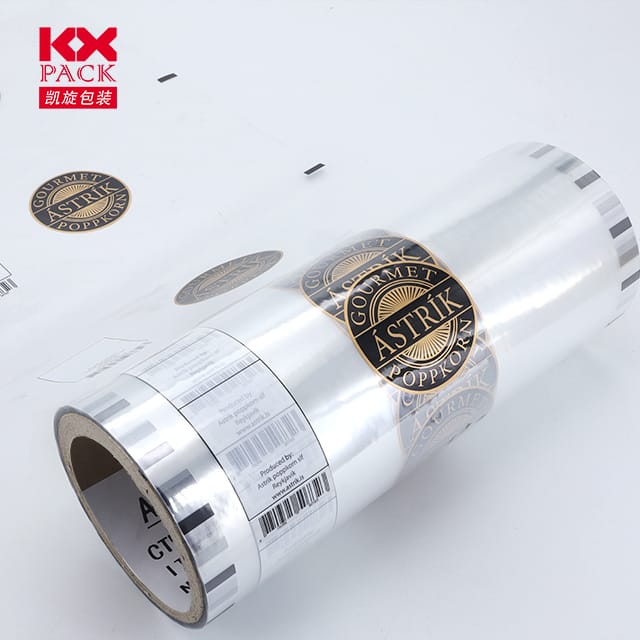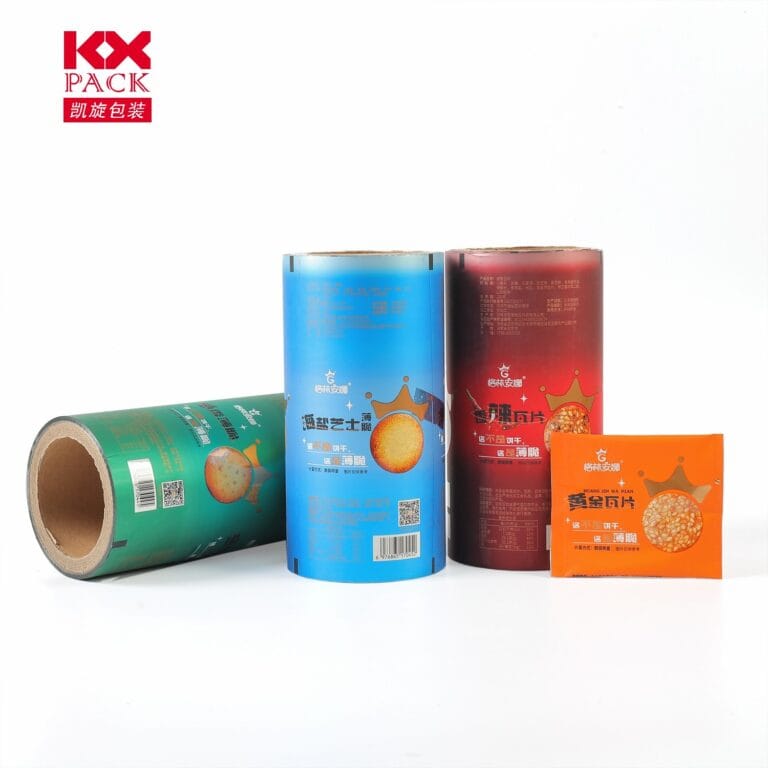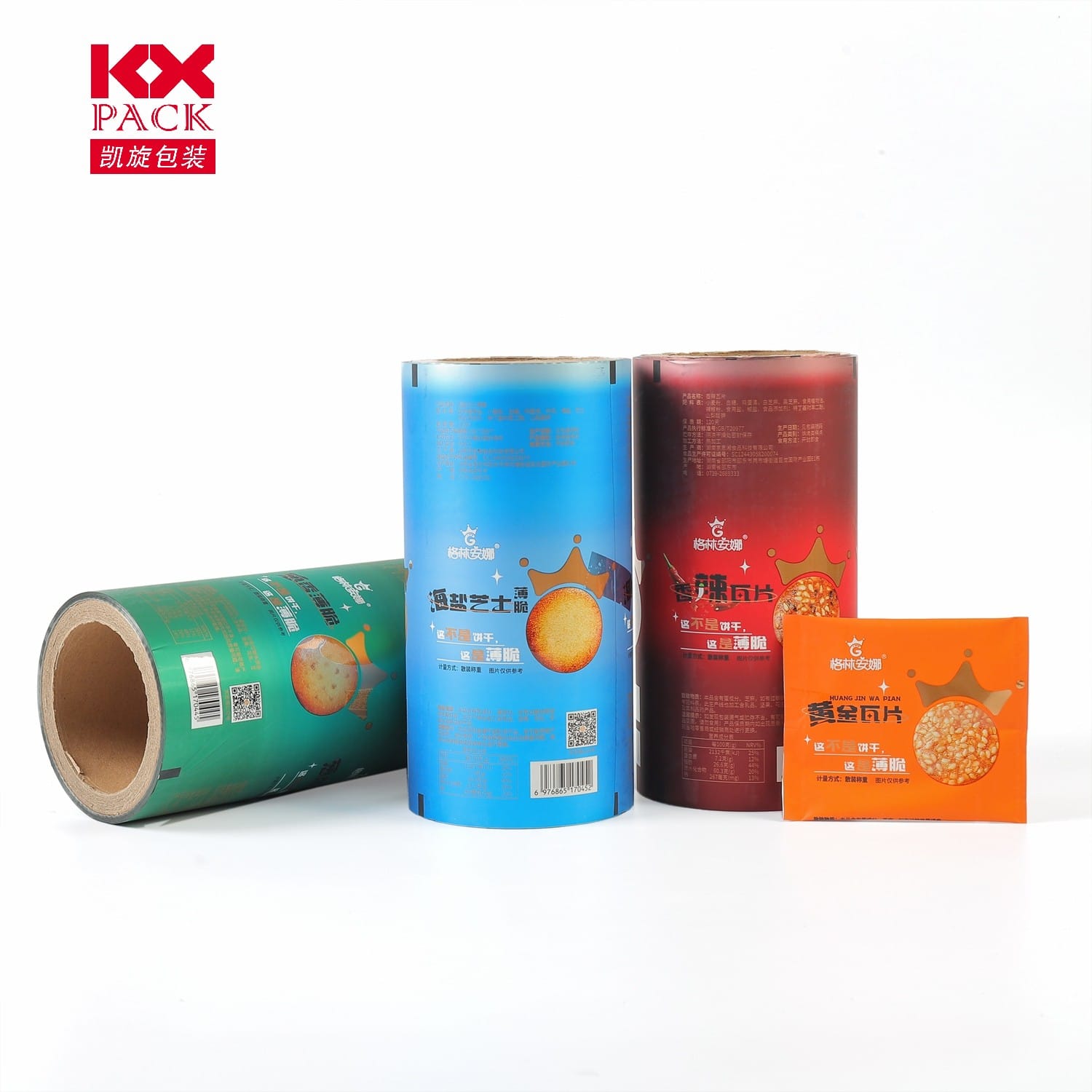
胶卷包装: 平衡保护, 可持续性, 和数字时代的品牌吸引力
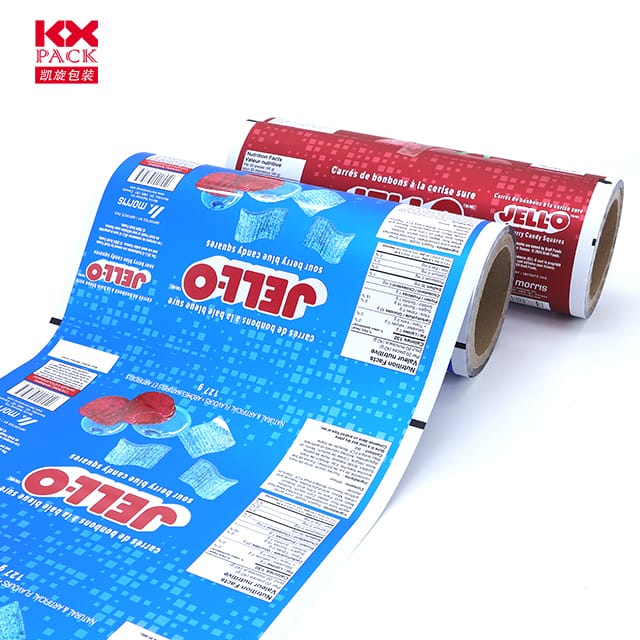
胶卷包装
In an era dominated by streaming services and instant digital downloads, 谦卑的人电影卷—whether for photography, 工业应用, 或创意艺术 - 属于利基市场至关重要的产品. But its survival hinges not just on the quality of the film itself but also oninnovative packaging that protects its delicate contents, 减少环境影响, and enhances brand identity. Let’s explore how film roll packaging is evolving to meet modern demands.
1. The Core challenges of film roll packaging
胶卷, whether 35mm photographic film, thermal transfer ribbons, or industrial-grade materials, share common vulnerabilities:
- Light sensitivity: Photographic film degrades if exposed to UV rays.
- Moisture damage: Humidity can warp or destroy film layers.
- Physical impact: Rolls must withstand shipping, handling, and storage without unspooling or cracking.(胶卷包装)
- Static electricity: Some films (例如。, x-ray or thermal transfer) attract dust or static, requiring anti-static coatings.(胶卷包装)
Packaging must address these issues while remaining cost-effective and user-friendly.
2. Materials matter: From plastic to sustainable alternatives
传统上, film rolls were housed inlightproof plastic canisters 或者metal tins, often lined with foam or felt for cushioning. While effective, these materials posed recycling challenges. 今天, brands are rethinking their approach:
一个. 可生物降解和可堆肥选项
- Paper-based tubes: Some companies now use recycled cardboard cores instead of plastic, paired with plant-based coatings to resist moisture.
- Cornstarch-based plastics: 像PLA这样的生物塑料 (聚乳酸) offer similar protection to traditional plastics but decompose under industrial composting conditions.
- Mushroom mycelium: Innovators like Ecovative are experimenting with mycelium (真菌根) to create shock-absorbing packaging that’s fully biodegradable.
乙. Recyclable plastics with a twist
For applications requiring durability (例如。, industrial film rolls), brands are opting formonomaterial plastics—single-type polymers that are easier to recycle than multi-layer composites. Some even useocean-bound plastic sourced from coastal waste.
C. 可重复使用的包装系统
Photography enthusiasts and professionals now have access torefillable film canisters made from aluminum or stainless steel. These durable containers can be reused for decades, 减少浪费.
3. Design innovations: Function meets aesthetics
Packaging isn’t just about protection—it’s a marketing tool. Here’s how brands are making film rolls stand out:
一个. Minimalist and modular designs
- Flat-pack tubes: Collapsible cardboard tubes save space during shipping and storage, appealing to eco-conscious buyers.
- Transparent windows: Some packaging features a small window to showcase the film’s branding or type without compromising light protection.
- Modular inserts: Adjustable dividers allow one box to hold multiple roll sizes, reducing packaging waste for mixed orders.
乙. Smart packaging for tech-savvy users
- QR码和NFC标签: Scanning a code on the packaging can link users to tutorials, expiration dates, or recycling instructions.
- 篡改了印章: For high-value films (例如。, medical x-ray rolls), security features like holographic stickers or breakaway seals prevent counterfeiting.
C. Brand storytelling through design
- Retro aesthetics: Nostalgia drives sales in the analog photography market. 品牌喜欢 洛莫摄影 use vintage-inspired tins and colorful labels to evoke a sense of artistry.
- Artist collaborations: Limited-edition packaging featuring illustrations or photography by renowned artists turns film rolls into collectibles.
4. 可持续发展: The make-or-break factor
Consumers increasingly prioritize eco-friendly packaging. 一个 2023 survey by麦肯锡 found that 70% of global buyers would pay more for sustainable packaging. Film roll brands are responding by:
- Reducing material use: 更薄, lighter packaging cuts shipping emissions and costs.
- Offering recycling programs: Some companies, 喜欢 Kodak, partner with recycling centers to take back used canisters.
- Certifications and transparency: 标签类似 森林管理委员会 (Forest Stewardship Council) 或者 Cradle to Cradle assure buyers of ethical sourcing and recyclability.
5. The future of film roll packaging
As industries like3D printing, flexible electronics, and augmented reality adopt specialized films, packaging will need to adapt further. Potential trends include:
- Active packaging: Sensors that monitor humidity or temperature in real time.
- Edible packaging: For food-grade films (例如。, edible ink printers), biodegradable wrappers made from seaweed or starch.
- AI-driven customization: Brands could use machine learning to design packaging tailored to specific climate conditions or customer preferences.
结论: Packaging as a strategic asset
In a world where digital convenience threatens analog products, film roll packaging is more than a protective shell—it’s astatement of values. By blending sustainability, 创新, 和品牌讲故事, companies can ensure their film rolls survive (and thrive) in the 21st century.
What’s your favorite example of creative film roll packaging? 在下面分享您的想法! 🎞️📦