Túi điện ảnh: Người hùng thầm lặng của bao bì linh hoạt
Túi điện ảnh
In a world dominated by convenience and sustainability, sachet film has emerged as a critical player in the packaging industry. Những cái nhỏ này, túi đa năng có ở khắp mọi nơi—từ gói cà phê dùng một lần và đồ vệ sinh cá nhân cỡ du lịch cho đến gói gia vị và dải dược phẩm. Nhưng điều gì làm cho màng gói trở nên không thể thiếu, và nó đang phát triển như thế nào để đáp ứng nhu cầu hiện đại? Let’s dive into the world of this lightweight yet mighty packaging solution.
Phim Sachet là gì?
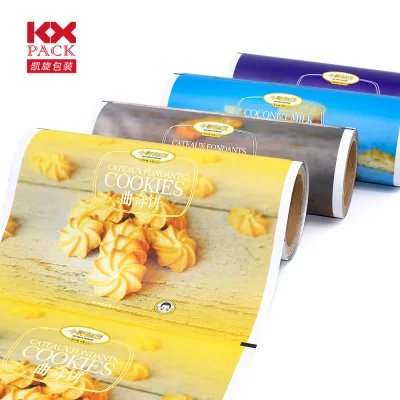
Sachet film refers to thin, flexible laminated materials used to create small, sealed pouches (gói) for packaging liquids, powders, or semi-solids. Typically composed of multiple layers—such as polyester (THÚ CƯNG), polyetylen (Thể dục), Lá nhôm, or biodegradable polymers—these films combine strength, đặc tính rào cản, and printability to protect contents from moisture, ôxy, ánh sáng, và ô nhiễm.
Key characteristics:
- Lightweight and compact: Minimizes material use and shipping costs.
- Có thể tùy chỉnh: Available in various sizes, shapes, and sealing methods (VÍ DỤ., heat-sealed, peelable).
- High barrier options: Some films include aluminum or EVOH layers to extend shelf life.
- Eco-friendly alternatives: Growing adoption of biodegradable and compostable films.
Why Sachet Film Matters
1. Convenience for Consumers
Sachets cater to on-the-go lifestyles, offering portion control and reducing waste. Think of ketchup packets at fast-food chains or single-use face masks in hotels—these small packages deliver convenience without bulk.
2. Cost-Effective for Brands
For manufacturers, sachet film reduces material costs compared to rigid packaging (like bottles or jars) and lowers shipping expenses due to its lightweight nature. It’s also ideal for free samples or trial-sized products, driving customer acquisition.
3. Sustainability Challenges and Innovations
While sachets are practical, their single-use nature has raised environmental concerns. Traditional laminated films are often non-recyclable due to mixed materials. Tuy nhiên, the industry is responding with:
- Phim phân hủy sinh học: Được làm từ polyme có nguồn gốc thực vật (VÍ DỤ., PLA, PHA) that break down under specific conditions.
- Recyclable mono-materials: Using single-type plastics (like PE) Để đơn giản hóa tái chế.
- Reusable sachets: Some brands now offer refillable or durable pouches to reduce waste.
4. Tính linh hoạt trong các ngành công nghiệp
Sachet film serves diverse sectors:
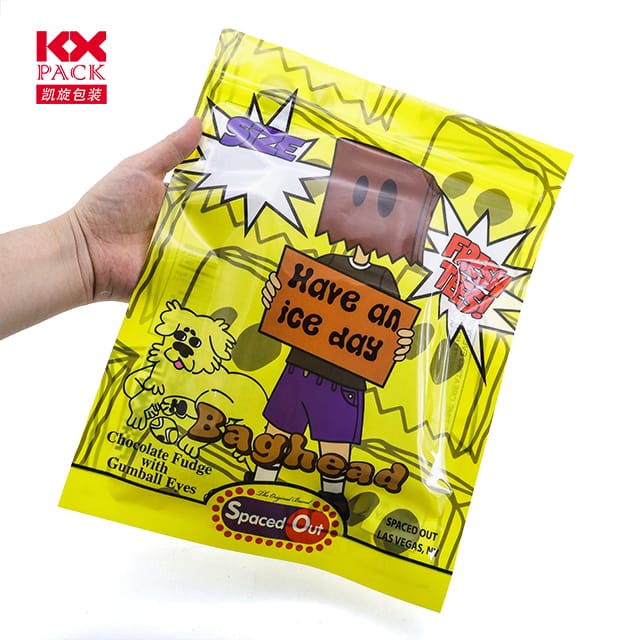
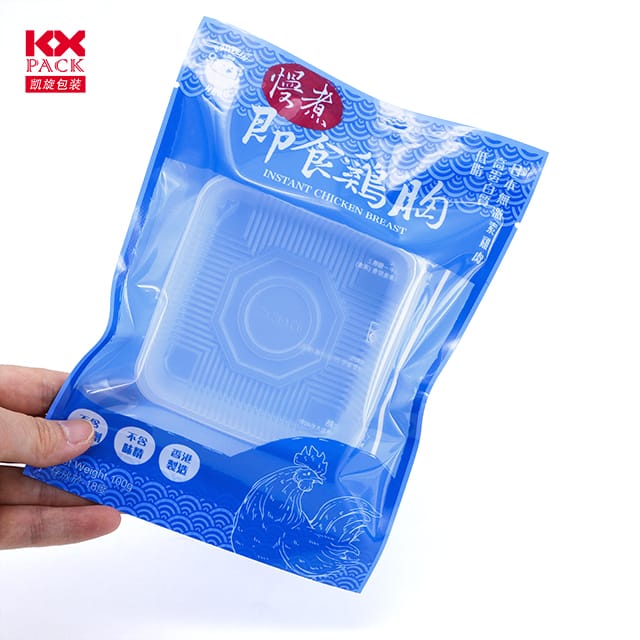
- Đồ ăn & nước giải khát: Seasoning packets, honey sticks, energy gel sachets.
- Chăm sóc cá nhân: Shampoo samples, moisturizer pods, travel-sized toothpaste.
- Dược phẩm: Blister packs for pills, sachets for oral suspensions.
- Nông nghiệp: Seed packets, fertilizer sachets.
The Future of Sachet Film
As sustainability becomes a priority, the sachet film market is shifting toward greener alternatives. Những đổi mới bao gồm:
- Water-soluble films: Dissolve in water, leaving no residue (used for detergent pods).
- Advanced recycling technologies: Chemical recycling to break down complex laminates.
- Bao bì thông minh: Incorporating QR codes or NFC tags for anti-counterfeiting and consumer engagement.
Brands are also redesigning sachets to be more ergonomic, with easy-tear notches or resealable zippers, enhancing user experience.
Phần kết luận: Small Package, Tác động lớn
Sachet film may be tiny, but its role in modern packaging is monumental. By balancing convenience, trị giá, và tính bền vững, it continues to adapt to consumer needs and environmental challenges. Whether you’re a brand looking to optimize packaging or a consumer enjoying a single-serve coffee, sachet film is quietly shaping how we interact with products every day.
What’s your take on sachet film? Share your thoughts on its sustainability or favorite uses in the comments below!
Want to stay updated on packaging trends? Follow our blog for more insights. 🌍✨