Sự phát triển và tác động của màng nhựa: Từ đổi mới đến bền vững (3)Thách thức
Phim nhựa
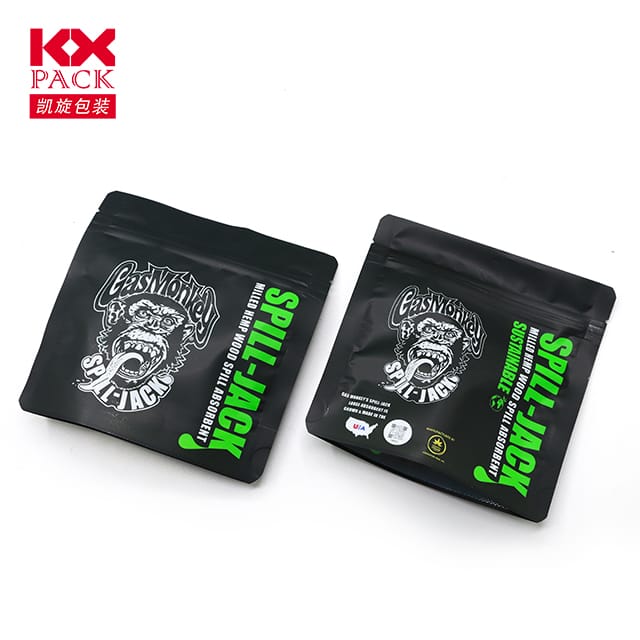
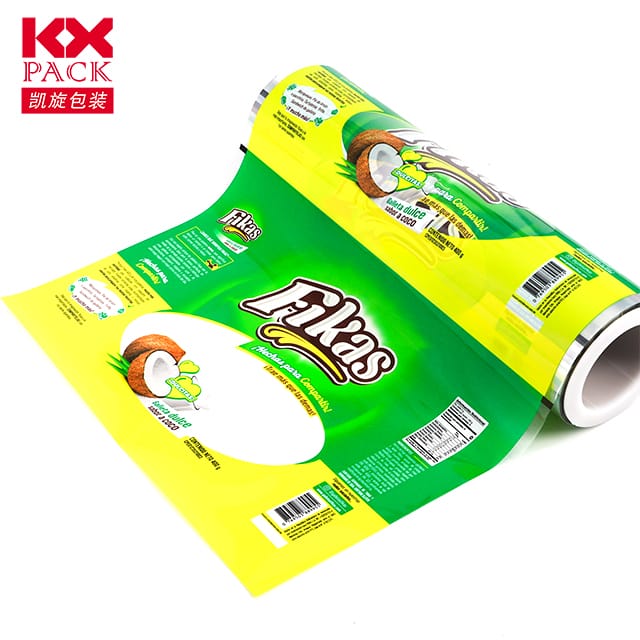
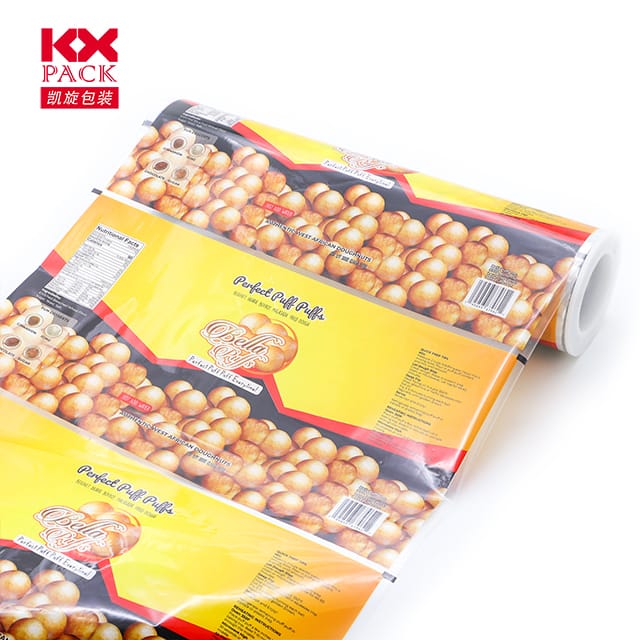
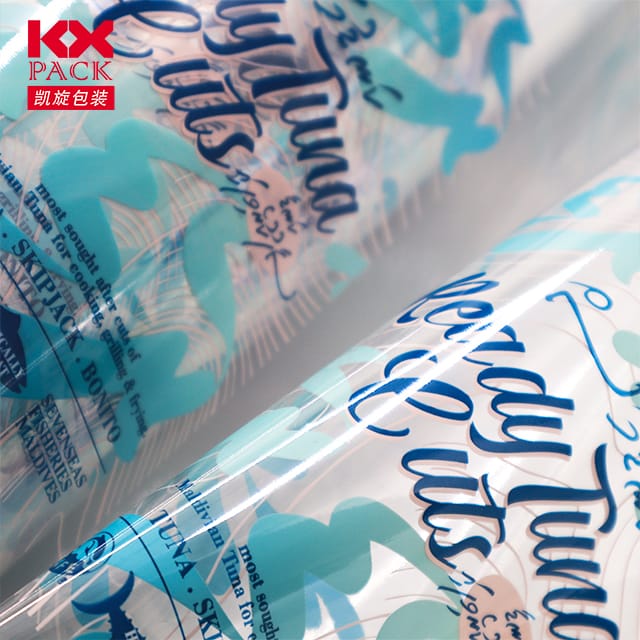
Plastic film, a versatile yet often underappreciated material, permeates modern life in countless ways. From packaging food and protecting crops to enhancing medical devices and insulating buildings, its lightweight durability and cost-effectiveness have made it indispensable. Tuy nhiên, khi mối quan tâm về môi trường ngày càng gia tăng, the plastic film industry faces a critical turning point: balancing innovation with sustainability.
A Multifaceted Marvel: Ứng dụng trong các ngành công nghiệp
Plastic film’s adaptability stems from its composition—typically polyethylene (Thể dục), Polypropylen (PP), hoặc polyvinyl clorua (PVC)—which can be tailored for specific uses:
- Bao bì thực phẩm: Stretch films, cling wraps, and vacuum-sealed pouches extend shelf life and reduce waste.
- Nông nghiệp: Mulch films conserve water, suppress weeds, and boost crop yields by up to 30% in arid regions.
- Chăm sóc sức khỏe: Sterile wraps for surgical instruments and blister packs for pharmaceuticals ensure safety and hygiene.
- Sự thi công: Vapor barriers and shrink films protect buildings from moisture during construction.
The global plastic film market, có giá trị bằng$160 tỷ trong 2023, được dự đoán sẽ tăng trưởng ở mức 4.5% annually, driven by emerging economies and e-commerce packaging demands.
Câu hỏi hóc búa về môi trường: Một thanh kiếm hai lưỡi
Mặc dù tiện ích của nó, plastic film’s environmental footprint is undeniable:
- Waste Accumulation: Single-use plastic films, such as shopping bags and food wraps, account for20% ô nhiễm nhựa đại dương, entangling wildlife and microplastics infiltrating ecosystems.
- Rào cản tái chế: Thin, multi-layered films are difficult to sort and process, with recycling rates hovering around5–15% in developed nations.
- Microplastic Threat: Fragmented films release tiny particles into soil and water, posing risks to human health through the food chain.
Áp lực pháp lý, such as the EU’sChỉ thị về nhựa dùng một lần and China’s ban on non-degradable bags, are forcing industries to rethink plastic film’s role.
Pioneering Solutions for a Circular Future
Để giải quyết những thách thức này, manufacturers and innovators are exploring sustainable alternatives:
- Phim phân hủy sinh học và có thể phân hủy:
- Materials like PLA (Axit polylactic), derived from corn starch, and PBAT (terephthalate polybutylen adipat) offer eco-friendly options. Thương hiệu nhưNatureWorks VàBASF are scaling production.
- Nghiên cứu điển hình: A UK supermarket chain replaced conventional bags with compostable PLA films, reducing plastic waste by 40%.
- Công nghệ tái chế tiên tiến:
- Chemical recycling breaks down mixed plastics into raw materials, enabling closed-loop systems.
- Mechanical recycling upgrades post-consumer films into pallet wraps or construction materials.
- Reusable and Thinner Alternatives:
- High-barrier, recyclable mono-material films (VÍ DỤ., PE-only packaging) simplify recycling.
- Những đổi mới nhưedible seaweed-based coatings for fresh produce could eliminate single-use wraps entirely.
Industry Collaboration and Policy Drivers
Governments and corporations are aligning to accelerate change:
- Trách nhiệm mở rộng của nhà sản xuất (EPR) schemes in the EU and U.S. mandate brands to fund recycling infrastructure.
- Corporate Commitments: Unilever, Nestlé, and Walmart aim to use 100% recyclable or reusable packaging by 2025, driving demand for sustainable films.
- Agricultural Innovations: Biodegradable mulch films, tested in India and the U.S., decompose within 180 ngày, reducing soil contamination.
Con đường phía trước: Cân bằng tiến độ và hành tinh
The future of plastic film hinges on three pillars:
- Material Innovation: Scaling bio-based and recyclable alternatives without compromising performance.
- Thiết kế tròn: Prioritizing reusability, recyclability, and compostability in product development.
- Consumer Engagement: Educating the public on proper disposal and advocating for reuse systems.
As technologies mature and policies tighten, plastic film could transition from a symbol of environmental harm to a beacon of sustainable innovation. The challenge lies not in abandoning this versatile material, but in reimagining its lifecycle—from linear waste to circular resource.
Nguồn: Smithers Pira, Quỹ Ellen MacArthur, Industry Reports 2024
Phần kết luận: Plastic film, once a hallmark of convenience, now stands at a crossroads. Bằng cách đón nhận sự đổi mới, sự hợp tác, và quản lý môi trường, the industry can safeguard both human needs and the planet’s future. The journey has begun—will we rise to the challenge?