Người hùng thầm lặng của cuộc sống hiện đại: Phim nhựa để gói
Phim nhựa
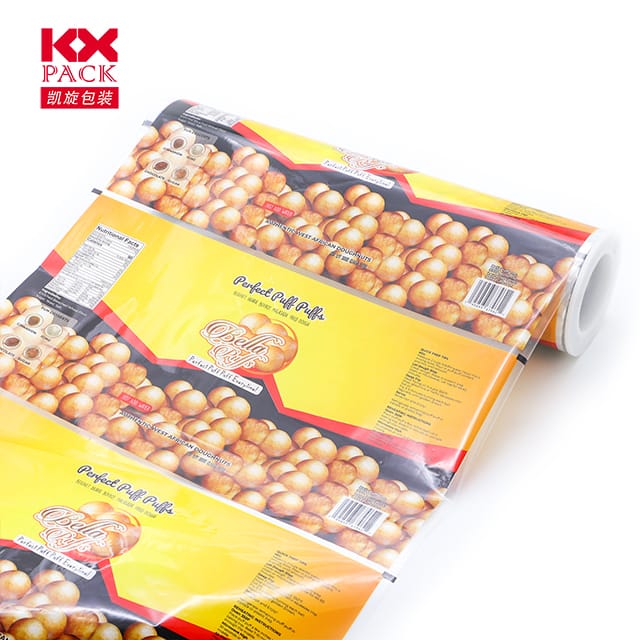
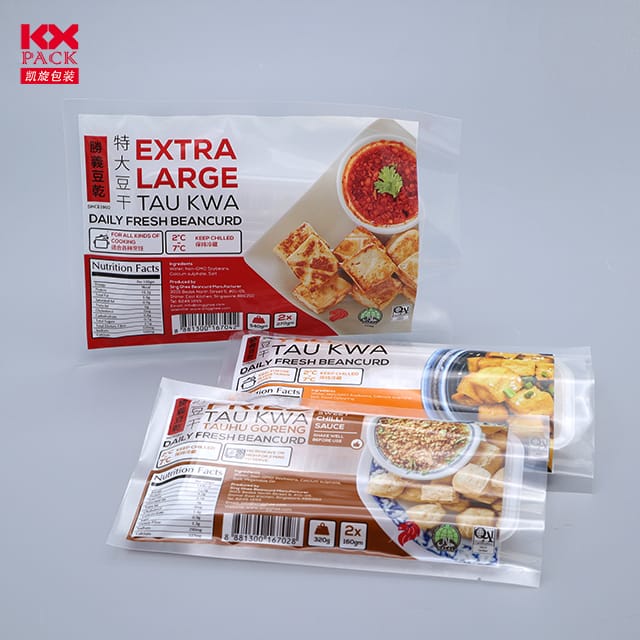
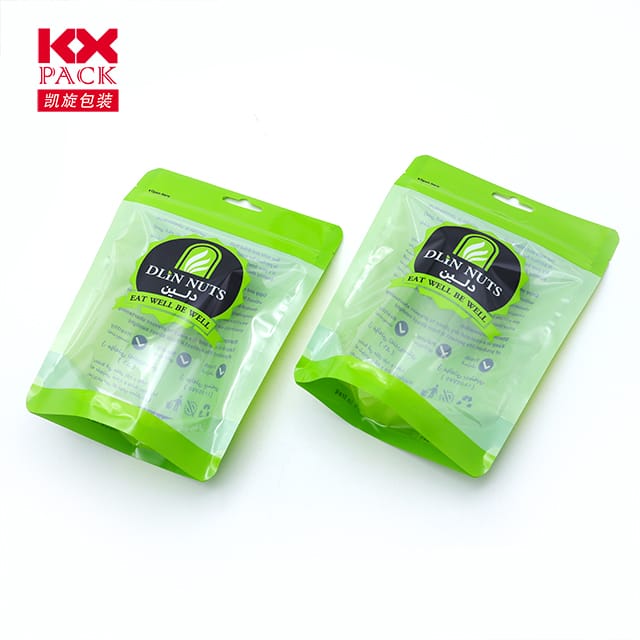
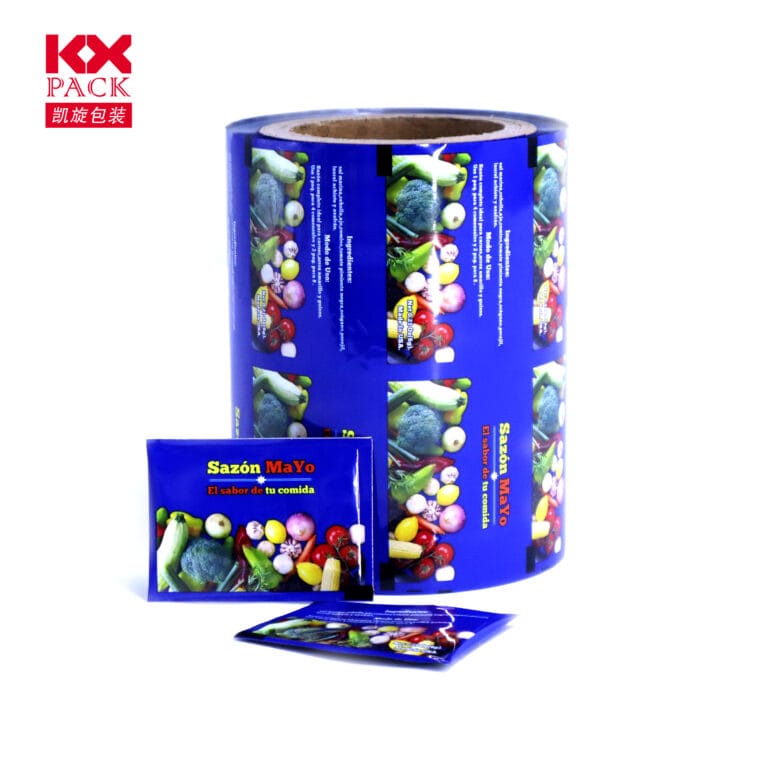
Trong thế giới có nhịp độ ngày hôm nay, nơi thuận tiện và hiệu quả ngự trị tối cao, một vật chất khiêm tốn thường không được chú ý nhưng lại đóng một vai trò quan trọng trong cuộc sống hàng ngày của chúng ta: màng nhựa để gói. Từ bảo vệ thực phẩm dễ hỏng đến bảo đảm hàng hóa công nghiệp trong quá trình vận chuyển, sản phẩm đa năng này là người hùng thầm lặng của các giải pháp đóng gói. Let’s dive into why plastic wrapping film is indispensable and explore its environmental impact—and the innovations shaping its future.
Why Plastic Wrapping Film Matters
- Sự bảo tồn & Sự bảo vệ
Plastic film acts as a barrier against moisture, bụi, ôxy, và các chất gây ô nhiễm, extending the shelf life of everything from fresh produce to pharmaceuticals. Without it, food waste would skyrocket, and delicate electronics might not survive shipping. - Hiệu quả chi phí
Nhẹ và bền, plastic film reduces packaging costs and transportation emissions by minimizing bulk. Its affordability makes it a go-to choice for businesses large and small. - Hygiene & Sự an toàn
In healthcare and food industries, plastic film ensures sterile environments and prevents cross-contamination. Think of sealed medical equipment or pre-packaged meats—plastic film keeps them safe until use. - Khả năng tùy chỉnh
Manufacturers can tailor plastic film’s thickness, sự rõ ràng, and strength to specific needs, whether it’s shrink-wrapping a pallet or cling-filming leftovers.
Câu hỏi hóc búa về môi trường
While plastic film offers undeniable benefits, its single-use nature has sparked global concern. Billions of tons end up in landfills or oceans annually, contributing to pollution and harming wildlife. The challenge lies in balancing functionality with sustainability.
Innovations Driving Change
The packaging industry is rising to the occasion with eco-friendly alternatives:
- Phân hủy sinh học & Phim có thể phân hủy
Made from plant-based materials like cornstarch or algae, những bộ phim này bị hỏng một cách tự nhiên, reducing long-term waste. - Phim nội dung tái chế
Brands are incorporating post-consumer recycled plastics into wrapping, closing the loop on waste. - Tái sử dụng & Tùy chọn có thể tái chế
Innovations like silicone food wraps or easily recyclable LDPE (polyetylen mật độ thấp) films encourage consumers to reuse or recycle instead of toss. - Phim ăn được
A futuristic twist! Edible coatings made from seaweed or starch protect food and can be consumed, loại bỏ hoàn toàn chất thải.
What Consumers & Businesses Can Do
- Giảm bớt & Tái sử dụng: Opt for reusable containers or beeswax wraps for home storage.
- Tái chế ngay: Check local guidelines—many plastic films (like grocery bags) are recyclable at drop-off centers, not curbside bins.
- Người ủng hộ sự thay đổi: Support brands using sustainable packaging and push for policy reforms.
Con đường phía trước
Plastic film for wrapping isn’t going away anytime soon—and it shouldn’t have to. Its role in preserving resources and reducing waste (through proper use) is too valuable. The key is innovation: creating films that perform flawlessly while leaving a lighter footprint.
Là người tiêu dùng, we hold power. By demanding sustainable options and adopting mindful habits, we can transform plastic film from an environmental villain into a tool for a greener future.
Next time you unwrap a sandwich or receive a package, nhớ: that thin layer of plastic is a marvel of modern engineering. Let’s ensure its legacy is one of progress, không ô nhiễm.
What’s your take on plastic wrapping film? Chia sẻ suy nghĩ của bạn hoặc các mẹo thân thiện với môi trường trong phần bình luận bên dưới! 🌍♻️