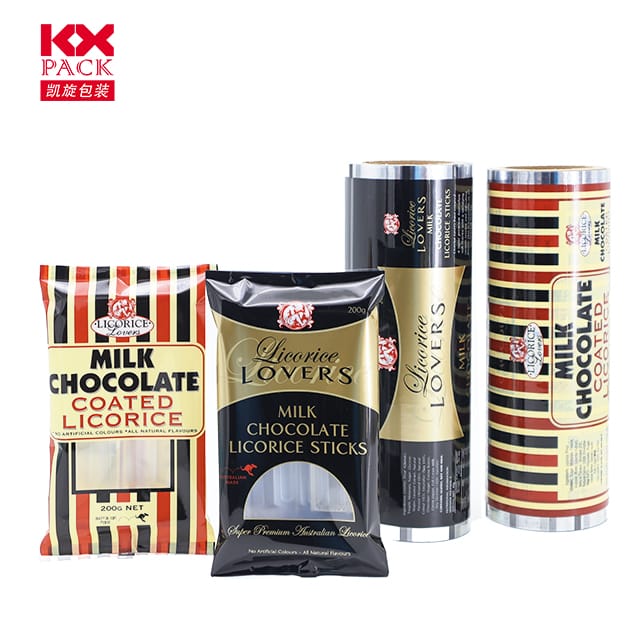
Tương lai của phim bao bì: Bền vững, Sự đổi mới, và xu hướng tiêu dùng
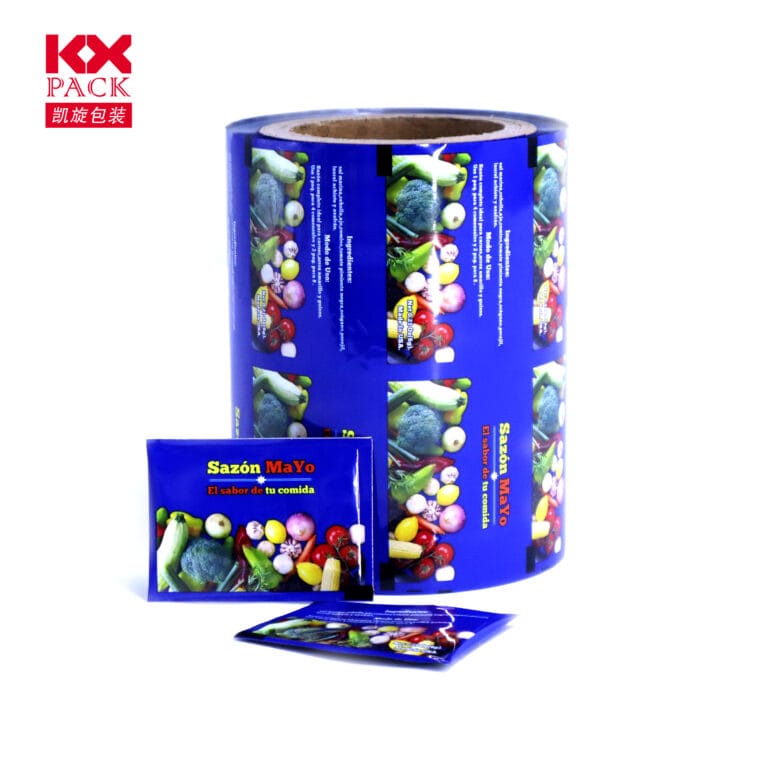
Phim bao bì
In a world where convenience meets environmental consciousness, Phim bao bì đã trở thành nền tảng của bảo vệ sản phẩm hiện đại, sự bảo tồn, và trình bày. Từ bao bì thực phẩm đến dược phẩm, những cái này mỏng, Vật liệu đa năng bảo vệ hàng hóa trong khi kéo dài thời hạn sử dụng và giảm chất thải. Nhưng khi nhu cầu toàn cầu tăng lên, Sự cấp bách để giải quyết các thách thức bền vững. Let’s explore the evolving landscape of packaging films, including eco-friendly innovations, cutting-edge technologies, and shifting consumer expectations.
What Are Packaging Films?
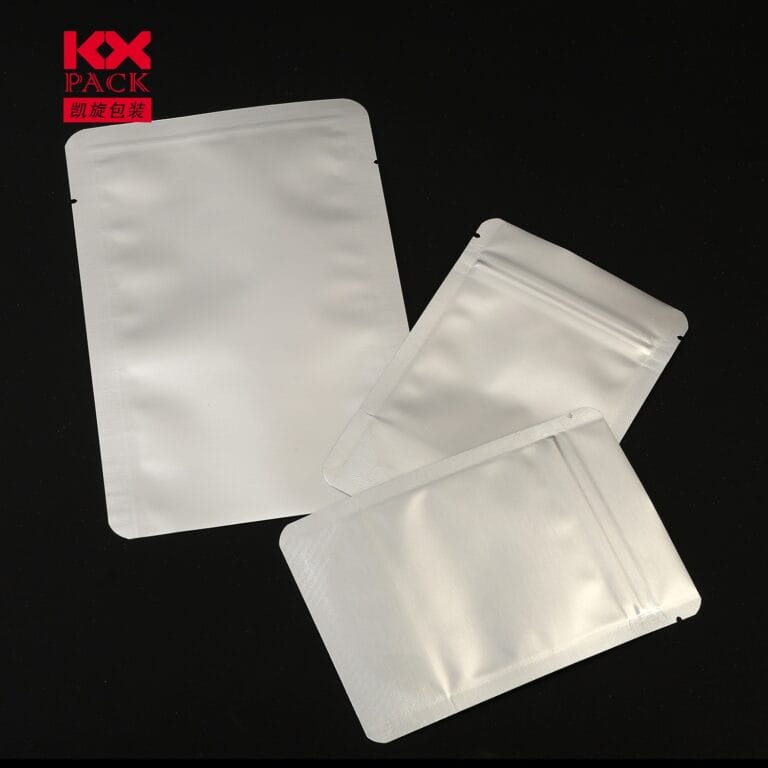
Packaging films are thin, flexible materials used to wrap, niêm phong, hoặc bảo vệ sản phẩm. Typically made from plastics like polyethylene (Thể dục), Polypropylen (PP), hoặc polyester (THÚ CƯNG), they can also incorporate biodegradable or compostable components. Their applications span industries:
- Đồ ăn & nước giải khát: Preserving freshness, preventing contamination, and enabling clear product visibility.
- Dược phẩm: Ensuring sterile, tamper-proof packaging for medications.
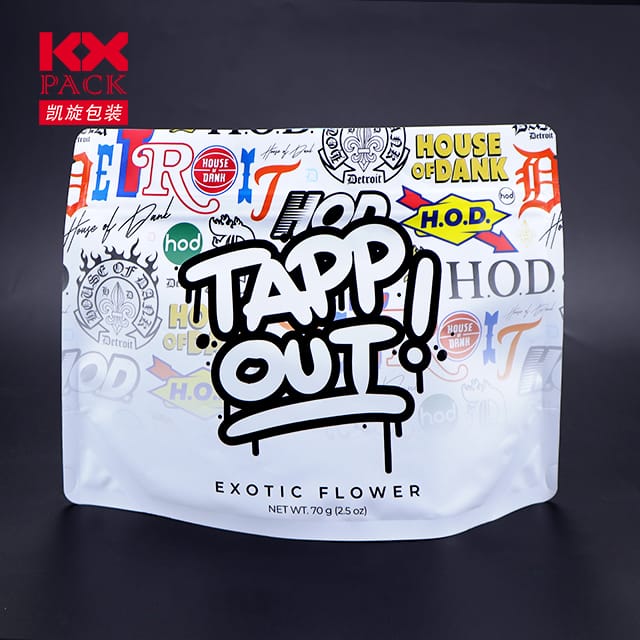
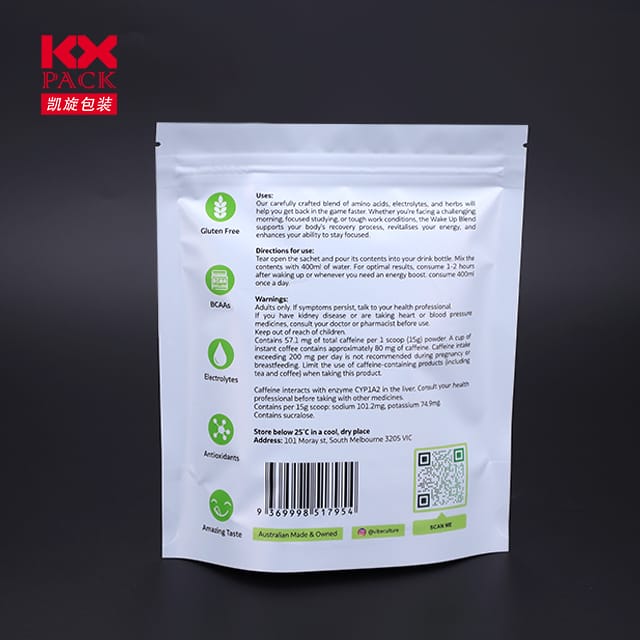
- Hàng tiêu dùng: Enhancing shelf appeal for cosmetics, Điện tử, và đồ gia dụng.
- Nông nghiệp: Protecting crops with mulch films or silage wraps.
The Sustainability Imperative: Rethinking Traditional Films
While conventional plastic films are cost-effective and durable, their environmental impact is undeniable. Nhựa dùng một lần góp phần gây ô nhiễm, with millions of tons ending up in landfills or oceans annually. This has sparked a global push for sustainable alternatives:
- Phim phân hủy sinh học
Made from plant-based materials like starch, xenluloza, or polylactic acid (PLA), những màng này phân hủy một cách tự nhiên trong những điều kiện cụ thể. Ví dụ, compostable coffee pouches or biodegradable produce wraps are gaining traction in eco-conscious markets. - Phim tái chế
Innovations in mono-material films (VÍ DỤ., single-layer PE) đơn giản hóa quy trình tái chế. Brands are also adopting “design for recycling” principles, avoiding mixed materials that are hard to separate. - Paper-Based Laminates
Combining paper with a thin plastic coating offers a recyclable or compostable option for dry goods like snacks or cereals. - Hệ thống tái sử dụng
Some companies are experimenting with refillable packaging films, encouraging consumers to return containers for sterilization and reuse.
Tech Trends Shaping the Industry
The packaging film sector is buzzing with technological advancements aimed at efficiency and sustainability:
- Phim thông minh: Embedded with sensors or indicators, these films monitor freshness (VÍ DỤ., color-changing labels for meat spoilage) or detect tampering.
- Công nghệ nano: Lớp phủ nano tăng cường tính chất rào cản, keeping oxygen or moisture out without adding bulk.
- 3D In ấn: Customized films with intricate designs or functional layers can now be produced on demand, giảm chất thải.
- AI-Driven Design: Machine learning optimizes material usage, độ dày, and performance, cutting costs and environmental footprints.
Consumer Demand: Transparency and Eco-Conscious Choices
Today’s shoppers prioritize sustainability—and they’re voting with their wallets. MỘT 2023 survey by McKinsey found that 75% of consumers consider environmental impact when purchasing packaged goods. This shift is driving brands to:
- Clearly label recycling instructions or eco-certifications.
- Adopt minimalist packaging to reduce material use.
- Partner with recycling programs or take-back initiatives.
Những thách thức và con đường phía trước
Despite progress, hurdles remain:
- Trị giá: Sustainable films often come at a premium, though economies of scale are gradually closing the gap.
- Hiệu suất: Biodegradable materials may lack the durability or barrier properties of traditional plastics.
- Cơ sở hạ tầng: Recycling facilities for compostable films are limited in many regions.
Tuy nhiên, industry collaboration and regulatory pressure (VÍ DỤ., EU bans on single-use plastics) are accelerating change. Companies are investing heavily in R&D to create films that are both planet-friendly and functional.
Phần kết luận: A Wrap on the Future of Packaging Films
Packaging films are at a crossroads—balancing the need for protection and convenience with the planet’s health. As innovation surges, the industry is moving toward a circular economy model, where materials are reused, tái chế, or safely returned to nature. Dành cho doanh nghiệp, staying ahead means embracing sustainability as a core value, not just a trend. Cho người tiêu dùng, supporting brands that prioritize eco-friendly packaging sends a powerful message.
What’s your take on sustainable packaging films? Share your thoughts or favorite eco-brands in the comments below! 🌍✨