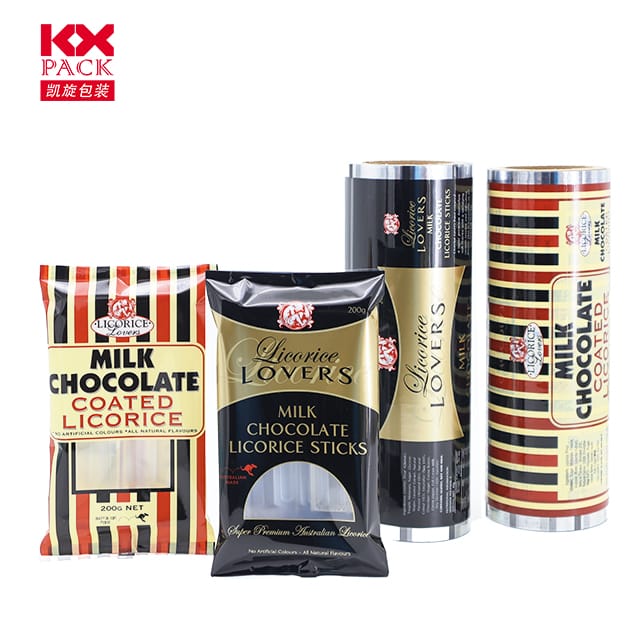
Nhà sản xuất màng bao bì: Tiên phong về tính bền vững và đổi mới trong một $224 Thị trường tỷ
Phim bao bì
Toàn cầu Phim bao bì industry is undergoing a seismic transformation, được thúc đẩy bởi các nhiệm vụ bền vững, đột phá công nghệ, và sự thay đổi nhu cầu của người tiêu dùng. With the market projected to surge from 156.9nghìn tỷ2024ĐẾN224.6 tỷ bởi 2030, các nhà sản xuất đang chạy đua để xác định lại vai trò của họ với tư cách là nhà đổi mới trong khoa học vật liệu, giải pháp kinh tế tuần hoàn, và công nghệ đóng gói thông minh.
1. Bền vững: From Compliance to Competitive Edge
Regulatory pressures and eco-conscious consumers are reshaping the industry. The EU’s Packaging and Packaging Waste Regulation (PPWR), which mandates 100% bao bì có thể tái chế bằng 2030, has accelerated the adoption of bio-based and recyclable films. Ví dụ, Jiangsu Comers Neo Materials now offers 99% recycled-content films Và BRC Grade A+ certified biodegradable solutions, trong khi Ningbo Hongyan Packing Material collaborates with Exxon Mobil and Dow Chemical to develop plant-based polymers.(Phim bao bì)
Những đổi mới nhưPLA-based films (Axit polylactic, derived from corn starch) đang đạt được lực kéo. These films reduce oxygen permeability by up to 10x compared to traditional PET, extending food shelf life while being compostable. Tương tự, marine biopolymer films—extracted from algae or chitin—are emerging as eco-friendly alternatives for high-barrier applications.
2. Technological Leap: Online Coating and High-Barrier Films
Các 2025 Brückner Frontier Technology Summit in Suzhou highlightedonline coating technology as a game-changer. By applying barrier layers during film production (rather than post-lamination), manufacturers cut costs by 30% and reduce carbon footprints by 50%.Willi Lindemann, a Brückner engineer, noted that this method enablessingle-material packaging, simplifying recycling and meeting PPWR targets.
High-barrier films are also evolving.EOE Plus films (with EVOH layers) now achieve410Độ dày µm for superior oxygen and moisture resistance, critical for fresh meat and dairy packaging. Trong khi đó, AGOMETA™ asymmetric PA films combine lightweight design with puncture resistance, reducing material use by 20% without compromising performance.
3. Bao bì thông minh: The Next Frontier
Packaging films are no longer passive barriers—they’re becoming interactive tools.RFID-enabled films track product freshness in real time, trong khitemperature-sensitive inks change color if perishables exceed safe thresholds.Bosch’s vacuum metallization technology enhances film reflectivity, enabling solar-powered sensors for supply chain monitoring.
In logistics, BUFFER AIR™ air cushion films VàSupreme AEE cushioning systems are replacing plastic bubble wrap, cúng dường 90% better shock absorption with 50% ít vật chất hơn. These innovations align with e-commerce giants’ pledges to halve packaging waste by 2030.
4. Market Dynamics: Asia’s Dominance and Niche Specialization
Asia Pacific leads the market (59% share), driven by China’s food delivery boom and India’s pharmaceutical export surge. Tuy nhiên, Europe and North America are hotbeds for premium films, chẳng hạn nhưanti-counterfeit holographic layers Vàmedical-grade sterile packaging.
Specialization is key to survival.Fujian Fulong New Material dominatesmàng BOPP for cigarette packaging, trong khiShanghai Zijiang Enterprise tập trung vàohigh-speed printing films for beverage labels. Even niche players likeXiamen Changsu Plastic are thriving by engineeringphim chống răng for supermarket produce displays.
5. Thách thức: Balancing Cost, Hiệu suất, and Planet
Despite progress, hurdles remain.Phim dựa trên sinh học cost 2–3x more than petroleum-based alternatives, slowing adoption.Recycling infrastructure gaps persist—only 14% of plastic films are recycled globally. Andmaterial trade-offs plague designers: Ví dụ, Phim có thể phân hủy often lack the heat resistance needed for microwaveable meals.
Con đường phía trước: Collaboration and Transparency
Leading manufacturers are embracingblockchain traceability to verify sustainable sourcing.Amcor’s “Design for Recycling” guidelines help brands choose mono-material films, trong khiUflex’s “Green Revolution” initiative aims to eliminate PFAS chemicals by 2026.
AsLian Zhang, CTO ofKanghui New Material, puts it: “The future isn’t about selling films—it’s about selling solutions that reduce waste, energy, and emissions across the value chain.”
Phần kết luận
Packaging film manufacturers are at the crossroads of innovation and responsibility. By integrating sustainability into R&D, adopting smart technologies, and collaborating across industries, they’re not just adapting to change—they’re driving it. Đối với cả doanh nghiệp và người tiêu dùng, the message is clear: the films protecting our products today will define the planet’s health tomorrow.
Explore the latest trends at the 2025 Guangzhou International Functional Film Expo (June 3–5) and join the revolution in sustainable packaging. 🌍✨