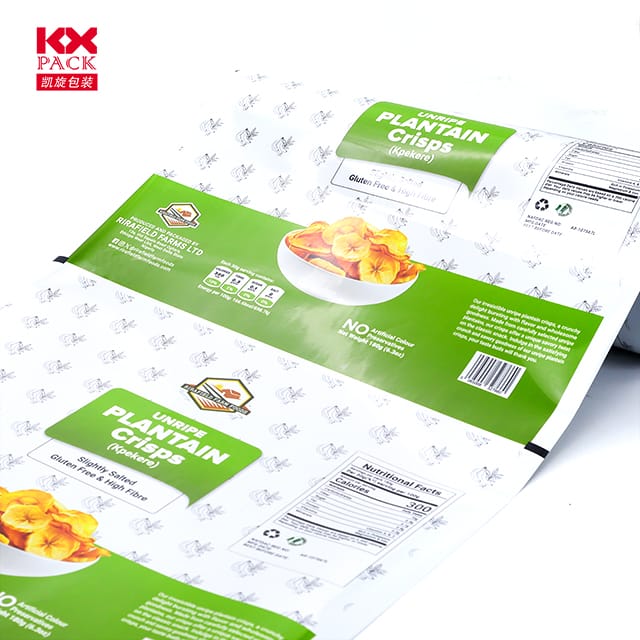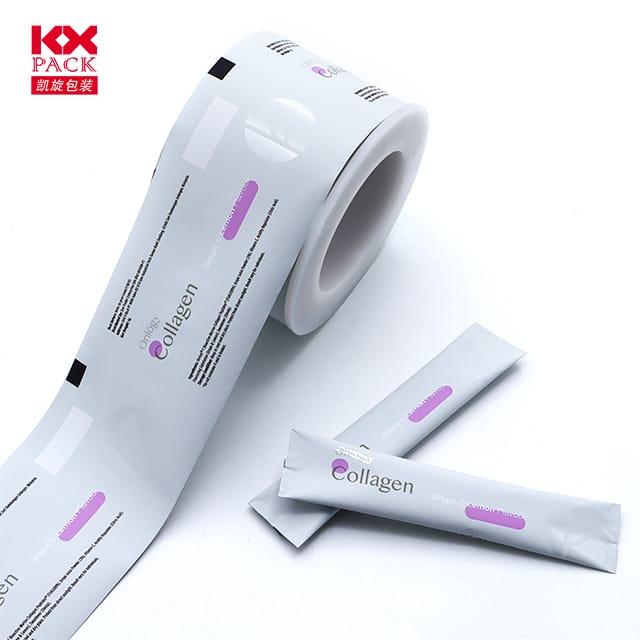
Phim bao bì: Người hùng thầm lặng của chủ nghĩa tiêu dùng hiện đại
Phim bao bì
In the world of commerce, nơi mà ấn tượng đầu tiên rất quan trọng và việc bảo vệ sản phẩm là điều không thể thương lượng, Phim bao bì plays a quiet yet pivotal role. Từ miếng dán giòn trên ngũ cốc buổi sáng của bạn đến các pallet được bọc màng co tại nhà kho, vật liệu linh hoạt này giữ cho sản phẩm an toàn, tươi, và hấp dẫn trực quan. Hãy để giải nén khoa học, sự đổi mới, and sustainability behind packaging film—and why it’s more than just “plastic wrap.”
What Is Packaging Film?
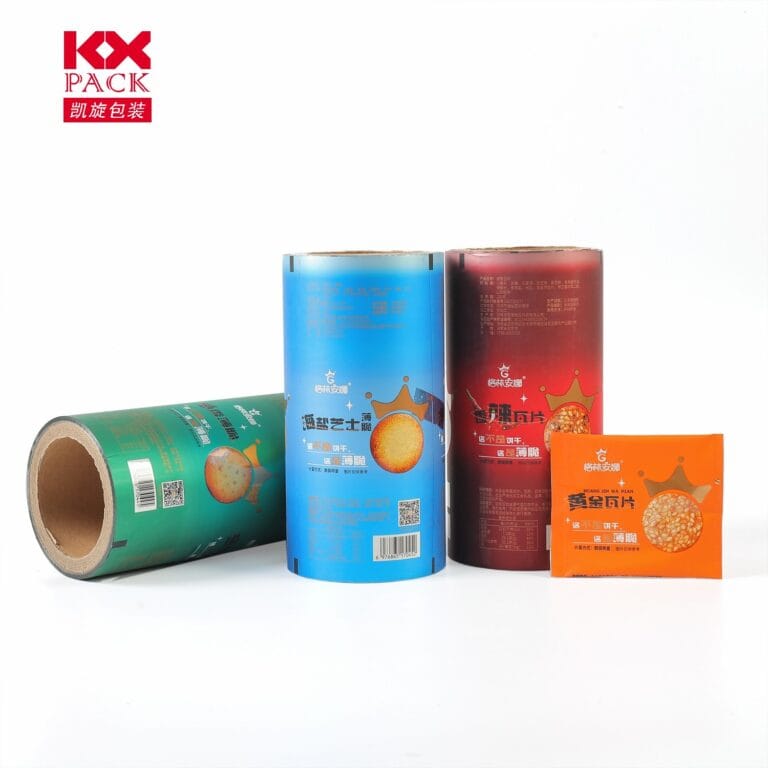
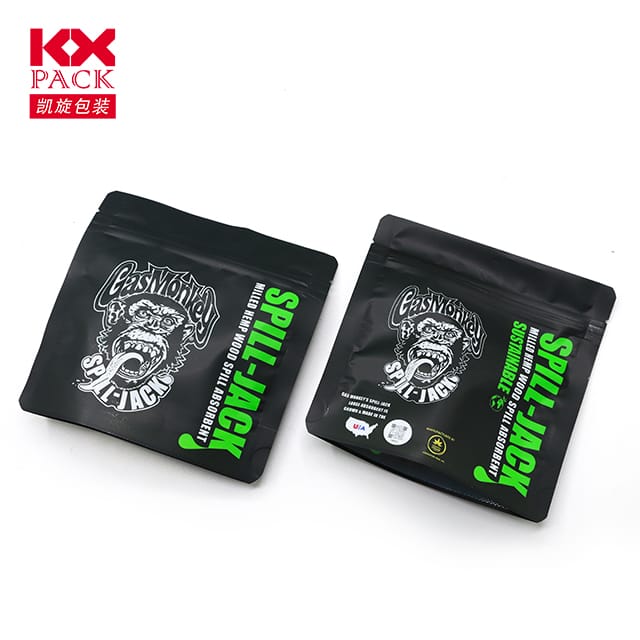
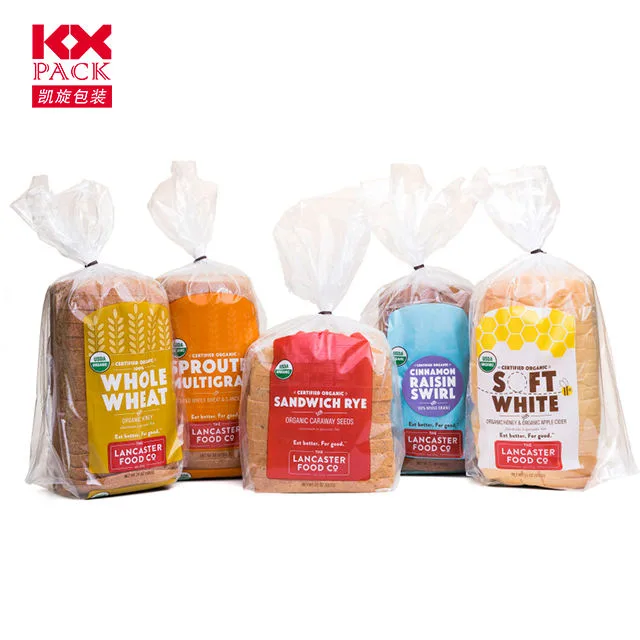
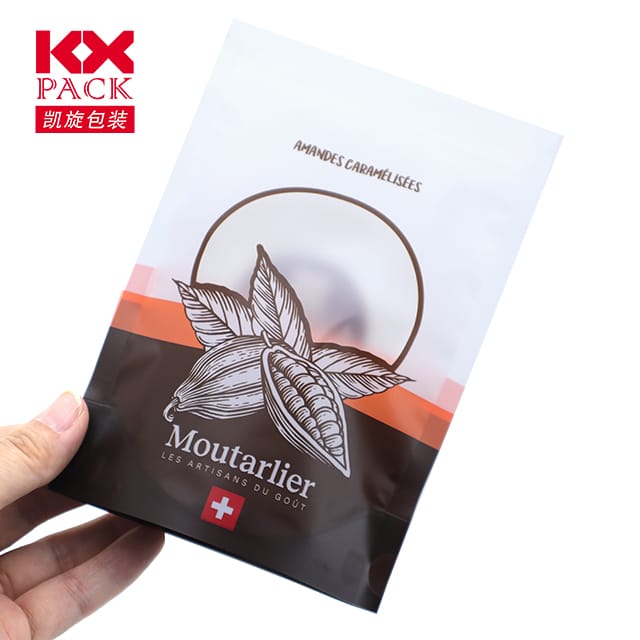
Packaging film is a thin, flexible material (often made from polymers like polyethylene, Polypropylen, or biodegradable alternatives) used to wrap, niêm phong, or protect goods. It comes in various forms:
- Stretch Film: For bundling pallets or securing items during shipping.
- Shrink Film: Shrinks tightly when heated, creating a tamper-proof seal.
- Phim rào cản: Blocks oxygen, độ ẩm, or light to preserve food and pharmaceuticals.
- Phim phân hủy sinh học: Eco-friendly options made from plant-based materials or compostable polymers.
Why Is It So Essential?
- Bảo vệ sản phẩm:
- Shields items from dust, độ ẩm, và thiệt hại vật chất.
- Extends shelf life for perishables (VÍ DỤ., thịt, phô mai, sản xuất) by preventing spoilage.
- Brand Visibility:
- Custom-printed films turn packaging into a marketing tool, reinforcing brand identity.
- Efficiency & Cost Savings:
- Lightweight and space-saving, reducing shipping costs and carbon footprints.
- Automated machinery allows high-speed packaging for mass production.
- Sự tiện lợi:
- Resealable zippers or easy-tear features enhance user experience.
Innovations Driving the Future
The packaging film industry is evolving rapidly to meet sustainability demands and functional needs:
- Vật liệu bền vững:
- Brands are shifting toward phân hủy sinh học, có thể ủ được, or recyclable films (VÍ DỤ., PLA, derived from corn starch).
- Tái chế sau tiêu dùng (PCR) content is becoming more common.
- Bao bì thông minh:
- Phim được nhúng với sensors or QR codes track freshness, detect leaks, or provide anti-counterfeiting measures.
- Phim ăn được (làm từ rong biển hoặc tinh bột) are emerging for single-use food wraps.
- mỏng hơn, Phim mạnh hơn:
- Nanotechnology improves barrier properties, allowing thinner films without sacrificing strength.
- Circular Economy Solutions:
- Companies are designing films for easier recycling or reuse (VÍ DỤ., mono-material pouches).
Challenges on the Horizon
Mặc dù lợi ích của nó, packaging film faces criticism:
- Plastic Waste: Single-use films contribute to landfills and ocean pollution.
- Rào cản tái chế: Phim nhiều lớp (common in snack packaging) are hard to recycle.
- Chi phí so với. Bền vững: Eco-friendly alternatives often cost more, slowing adoption.
Con đường phía trước: Balancing Innovation and Responsibility
The future of packaging film lies insmarter, Giải pháp xanh hơn:
- Hợp tác ngành: Brands, suppliers, and recyclers must work together to standardize eco-friendly materials.
- Giáo dục tiêu dùng: Encouraging recycling and proper disposal of films.
- Đẩy quy định: Governments are introducing bans on single-use plastics, incentivizing innovation.
Phần kết luận
Packaging film is a testament to human ingenuity—a tiny layer that safeguards, promotes, and connects products to consumers. As we strive for a more sustainable future, the challenge is to harness its potential without compromising the planet. Whether it’s through biodegradable materials, công nghệ thông minh, or circular design, the next generation of packaging film will redefine how we protect, hiện tại, and perceive the goods we love.
What’s your take? Do you prioritize eco-friendly packaging, or is functionality your top concern? Let’s discuss in the comments! 🌱📦
Stay curious, and subscribe for more insights into the materials that shape our world! 🚀