2025 Từ nguyên liệu thô đến thành phẩm: Hé lộ Quy trình Kiểm soát Chất lượng 360° của Nhà máy Túi Bánh mì
Khi bạn nhặt một ổ bánh mì mới nướng, túi bánh mì là cái đầu tiên của nó “người bảo vệ”—và đằng sau bao bì đơn giản này là một hành trình chất lượng nghiêm ngặt bắt đầu từ Từ nguyên liệu thô đến thành phẩm. Hệ thống chất lượng 360° của nhà máy chúng tôi, được xây dựng xung quanh nguyên tắc Từ nguyên liệu thô kết thúc, đảm bảo mọi túi đều an toàn, bền chặt, và đạt tiêu chuẩn toàn cầu. Hãy chia nhỏ các bước chính của việc này Từ nguyên liệu thô-quá trình hoàn tất!
🌱 1. Lựa chọn nguyên liệu thô: Cốt lõi của “Từ nguyên liệu thô đến thành phẩm” Chất lượng
Nguyên liệu thô là điểm khởi đầu của chúng tôi Từ nguyên liệu thô-kiểm soát chất lượng theo định hướng—chúng tôi tập trung vào hai lựa chọn chính: PE cấp thực phẩm Và giấy kraft, cả hai đều được sàng lọc để đáp ứng các tiêu chuẩn an toàn cao nhất.
Đối với PE cấp thực phẩm (Polyetylen):
✅ Chỉ lấy nguồn từ nhà cung cấp có FDA & Chứng nhận của SGS—đây là điểm kiểm tra đầu tiên trong Từ nguyên liệu thô quá trình (tiêu chuẩn an toàn thực phẩm toàn cầu không thể thương lượng).
✅ Kiểm tra 3 bước trước khi nhập xưởng (điều bắt buộc đối với Từ nguyên liệu thô chất lượng):
- Kiểm tra tài liệu chứng nhận để xác nhận việc tuân thủ các quy định về vật liệu tiếp xúc với thực phẩm (không có phím tắt trong Từ nguyên liệu thô sàng lọc).
- Kiểm tra cảm quan trong phòng thí nghiệm: Không có mùi lạ, sự đổi màu, hoặc tạp chất (ngay cả một điểm đen nhỏ = sự từ chối—chúng tôi không thỏa hiệp Từ nguyên liệu thô chất lượng).
- Kiểm tra di chuyển: Ngâm màng PE trong dung dịch thực phẩm mô phỏng (VÍ DỤ., axit axetic cho thực phẩm có tính axit) ở 40°C trong 24h - kiểm tra kim loại nặng/chất hóa dẻo (quan trọng đối với Từ nguyên liệu thô sự an toàn).
✅ Phải đáp ứng GB của Trung Quốc 4806.7-2016 tiêu chuẩn (nhựa tiếp xúc với thực phẩm) di chuyển từ Từ nguyên liệu thô giai đoạn đến sản xuất.
Đối với giấy Kraft (Bao bì bánh mì cao cấp):
🌿 Ưu tiên 100% sợi tái chế có chứng nhận FSC—thân thiện với môi trường là một phần trong mục tiêu của chúng tôi Từ nguyên liệu thô tiêu chuẩn (không cho phép chất phụ gia độc hại).
✅ Kiểm tra lấy mẫu ngẫu nhiên (chìa khóa cho Từ nguyên liệu thô tính nhất quán):
- Trọng lượng cơ bản: Tối thiểu 80g/m2 (tránh bị rách khi cầm bánh mì—độ bền bắt đầu từ Từ nguyên liệu thô).
- Độ ẩm: 8%-12% (quá ướt = nấm mốc; quá khô = độ giòn—chúng tôi kiểm soát điều này ở mức Từ nguyên liệu thô sân khấu).
- Kiểm tra khả năng chống dầu mỡ: Áp dụng dầu ăn, quan sát 24h—không cho phép rò rỉ (thấm làm hỏng kết cấu bánh mì, vì vậy chúng tôi loại bỏ rủi ro này tại Từ nguyên liệu thô).
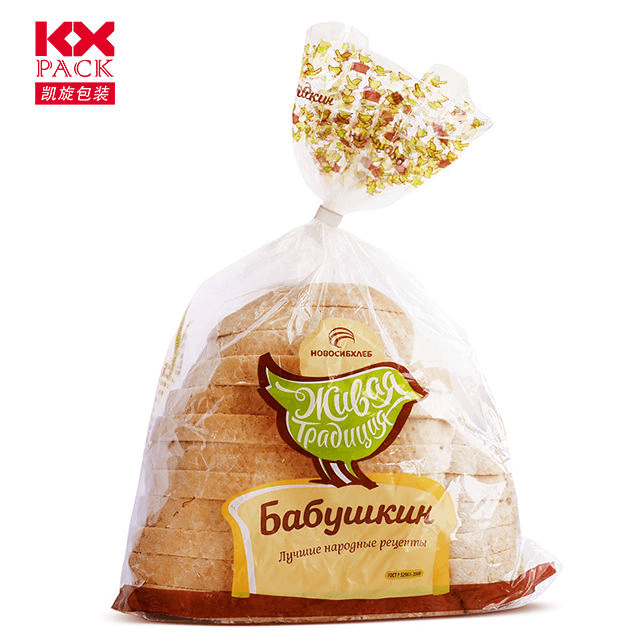
🎨 2. Kiểm tra mực in: An toàn & Đẹp—Mối liên kết giữa nguyên liệu thô và thành phẩm
Sau khi vượt qua Từ nguyên liệu thô séc, bước tiếp theo là in ấn—và an toàn mực in cũng quan trọng như chất lượng nguyên liệu thô. Chúng tôi theo dõi một “mực không độc hại” quy tắc để giữ Từ nguyên liệu thô-đến khi hoàn thành chuỗi an toàn.
✅ Chỉ sử dụng mực gốc nước (không có VOC = không độc hại, không mùi, không có dư lượng có hại; không giống như các loại mực gốc dung môi—sự lựa chọn này phù hợp với Từ nguyên liệu thô tiêu chuẩn an toàn).
✅ Kiểm tra trước phòng thí nghiệm của bên thứ ba: Kim loại nặng (chỉ huy, thủy ngân, cadimi) và các hợp chất benzen phải “không thể phát hiện được”—chúng tôi coi mực như nguyên liệu thô trong Từ nguyên liệu thô tư duy.
✅ Kiểm tra in ấn theo thời gian thực (mọi 30 phút):
- Kiểm tra độ bám dính của mực: Quấn mẫu có trọng lượng khoảng 500g, chà 20 lần trên giấy trắng—không chuyển mực (điều chỉnh áp suất/nhiệt độ nếu cần; điều này đảm bảo bản in kéo dài từ Từ nguyên liệu thô để khách hàng sử dụng).
- Độ chính xác in ấn: Sử dụng thước cặp để kiểm tra khoảng cách cạnh logo—dung sai ±0,5 mm (tránh in sai làm ảnh hưởng đến hình ảnh thương hiệu; độ chính xác cũng quan trọng như Từ nguyên liệu thô chất lượng).
✅ “Khoảng cách an toàn” luật lệ: Diện tích in ≥1cm tính từ mặt trong của túi (để tiếp xúc trực tiếp với bánh mì—mở rộng Từ nguyên liệu thô lời hứa an toàn cho thiết kế cuối cùng).
✅ Bảo vệ thêm cho túi PE trong suốt: Thêm một lớp màng thực phẩm giữa mực và bánh mì (ngăn chặn sự di chuyển mực—một lớp an toàn khác trong Từ nguyên liệu thô-quá trình hoàn tất).

💪 3. Kiểm tra khả năng chịu áp lực: Bền bỉ cho cuộc sống thực—Bảo vệ nguồn đầu tư từ nguyên liệu thô
Độ bền của túi bánh mì không chỉ phụ thuộc vào Từ nguyên liệu thô chất lượng, mà còn về việc nó hoạt động tốt như thế nào trong sử dụng thực tế. Chúng tôi mô phỏng các tình huống thực tế để đảm bảo Từ nguyên liệu thô nỗ lực không bị lãng phí.
✅ Sử dụng một máy đo áp suất điều khiển bằng máy tính:
- Nhặt 50 mẫu ngẫu nhiên mỗi đợt (từ các bộ phận dây chuyền sản xuất khác nhau để đảm bảo tính công bằng—chúng tôi kiểm tra tính nhất quán của Từ nguyên liệu thô-quá trình sản xuất).
- Bịt kín các lỗ hở của túi (mô phỏng bánh mì đầy đủ), áp dụng áp lực dần dần:
- Túi thường (500g-1kg bánh mì): Chịu được 200N (Trọng lượng ≈20kg) trong 60s—không bị vỡ/rò rỉ (độ bền đáng tôn vinh Từ nguyên liệu thô tiêu chuẩn).
- Túi lớn (2kg+ bánh mì): Chịu được 300N (cường độ cao hơn cho tải nặng hơn—được xây dựng trên cơ sở đáng tin cậy Từ nguyên liệu thô).
✅ Kiểm tra độ bền động (mô phỏng giao hàng):
- Đổ đầy túi bằng bao cát (cùng hình dạng/trọng lượng như bánh mì—bắt chước cách sử dụng thực sự của bánh mì Từ nguyên liệu thô-túi làm).
- Đưa vào máy kiểm tra độ rung (5tần số Hz, 10biên độ mm) trong 2 giờ (bắt chước va chạm với xe tải—kiểm tra xem túi có còn nguyên vẹn sau khi va chạm hay không. Từ nguyên liệu thô và sản xuất).
- Kiểm tra các đường nối xem có hư hỏng/biến dạng không—1 mẫu không đạt = lô bị treo (sửa chữa vật liệu/niêm phong, kiểm tra lại cho đến khi đạt—chúng tôi không để việc sản xuất kém bị hủy hoại Từ nguyên liệu thô chất lượng).
🔍 4. Ngoài các liên kết chính: Chất lượng toàn bộ vòng đời—Hoàn thành hành trình từ nguyên liệu thô đến thành phẩm
Quy trình 360° của chúng tôi không dừng lại ở các bước cốt lõi—chúng tôi kiểm tra cho đến túi cuối cùng để đảm bảo Từ nguyên liệu thô-hành trình đến đích kết thúc một cách xuất sắc.
✅ Kiểm tra trực quan sản phẩm hoàn thiện:
- Sử dụng bàn đèn để phát hiện lỗ kim 0,1mm (những lỗ nhỏ = mất độ tươi—chúng ta nắm bắt được điều này trước Từ nguyên liệu thô-túi xách đến tay khách hàng).
- Kiểm tra độ kín không đều hoặc vết bẩn (không có sai sót nào được phép trong sản phẩm cuối cùng của chúng tôi Từ nguyên liệu thô quá trình).
✅ Thử nghiệm duy trì độ tươi:
- Đặt một lát bánh mì vào túi, niêm phong, bảo quản ở 25°C trong 3 ngày.
- Đảm bảo bánh luôn mềm + không có khuôn (kiểm tra độ kín khí/kiểm soát độ ẩm—chứng minh Từ nguyên liệu thô và sản xuất cùng nhau làm việc để giữ cho bánh mì luôn tươi ngon).
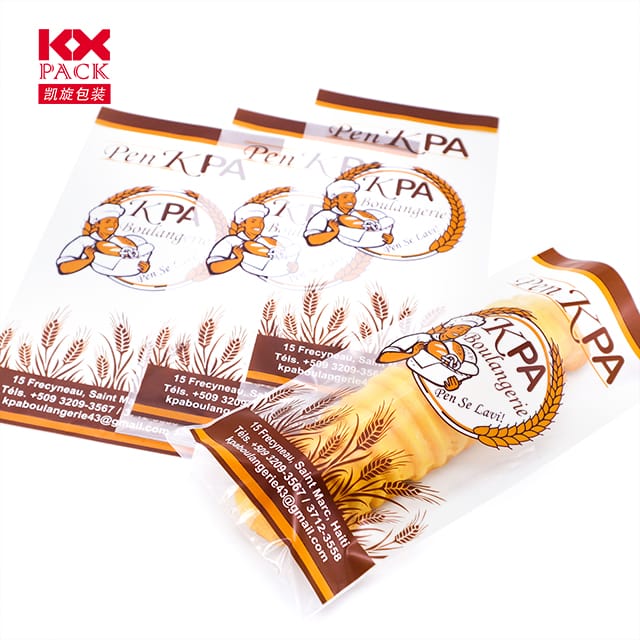
❤️ Tại sao điều này lại quan trọng: Từ nguyên liệu thô đến niềm tin
Kiểm soát chất lượng không chỉ là các thủ tục—đó là tư duy tập trung vào Từ nguyên liệu thô để hoàn thành xuất sắc. Mỗi túi bánh mì kết nối tiệm bánh với khách hàng, vì vậy sự an toàn và độ bền của nó (bắt nguồn từ Từ nguyên liệu thô chất lượng) ảnh hưởng trực tiếp đến uy tín thương hiệu của bạn.
Nếu bạn là chủ/người mua tiệm bánh, thăm nhà máy của chúng tôi! Xem của chúng tôi Từ nguyên liệu thô kho hàng, xét nghiệm trong phòng thí nghiệm, và kiểm tra sản xuất trực tiếp—hợp tác với một nhà máy xây dựng chất lượng từ Từ nguyên liệu thô đến túi cuối cùng.