Màng bọc thực phẩm và màng bao bì thực phẩm: Hướng dẫn cơ bản về sự tươi mát, Sự an toàn, và tính bền vững
Khi nói đến việc bảo quản hương vị, kết cấu, và giá trị dinh dưỡng của bữa ăn yêu thích của bạn, những anh hùng thầm lặng trong nhà bếp và chuỗi cung ứng của chúng ta là màng bọc thực phẩm Và màng bao bì thực phẩm. Cho dù bạn là người nấu ăn tại nhà đang cố gắng giữ cho món lasagna tối qua không bị khô, hoặc một nhà sản xuất thực phẩm thương mại vận chuyển các sản phẩm dễ vỡ trên toàn quốc, Lựa chọn chất liệu phù hợp là điều quan trọng nhất.
Nhưng hãy thành thật mà nói: thế giới bao bì linh hoạt có thể cực kỳ khó hiểu. Với các thuật ngữ như PVC, Thể dục, đặc tính rào cản, và khả năng phân hủy sinh học xung quanh, làm sao bạn biết cái gì thực sự có tác dụng?
Trong hướng dẫn toàn diện này, chúng tôi sẽ giải nén mọi thứ bạn cần biết về màng bọc thực phẩm giải pháp, khám phá những cải tiến mới nhất trong màng bao bì thực phẩm, và giúp bạn đưa ra thông tin, lựa chọn có ý thức sinh thái.
Tại sao màng bọc thực phẩm lại là vật dụng thiết yếu trong nhà bếp
Tất cả chúng ta đều đã từng ở đó—nhìn chằm chằm vào quả bơ ăn dở, tự hỏi làm thế nào để ngăn nó biến thành màu nâu, thứ bột nhão không ngon miệng. Đây là nơi có chất lượng cao màng bọc thực phẩm bước vào.
Tại cốt lõi của nó, màng bọc thực phẩm được thiết kế để thực hiện hai việc một cách đặc biệt tốt: bám vào bề mặt và chặn oxy.
Khoa học về sự kéo dài
Về mặt lịch sử, polyvinyl clorua (PVC) là vật liệu được ưa chuộng để làm màng bọc thực phẩm trong gia đình nhờ khả năng co giãn đáng kinh ngạc và độ dính vượt trội. Tuy nhiên, khi mối quan tâm về sức khỏe và môi trường phát triển, ngành công nghiệp chuyển hướng đáng kể sang Polyethylene (Thể dục).
PE hiện đại màng bọc thực phẩm cung cấp một chất không độc hại, Giải pháp thay thế không chứa BPA giúp khóa độ ẩm một cách an toàn mà không làm nhiễm hóa chất độc hại vào thực phẩm của bạn. Nó tạo ra sự chặt chẽ, môi trường vi mô làm chậm đáng kể quá trình oxy hóa, giữ trái cây của bạn, rau, và protein tươi lâu hơn.
Nâng cao trò chơi: Phim bao bì thực phẩm thương mại
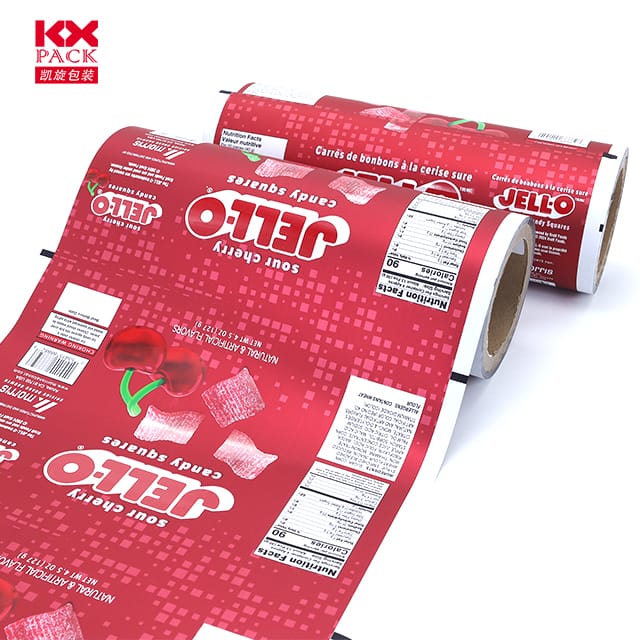
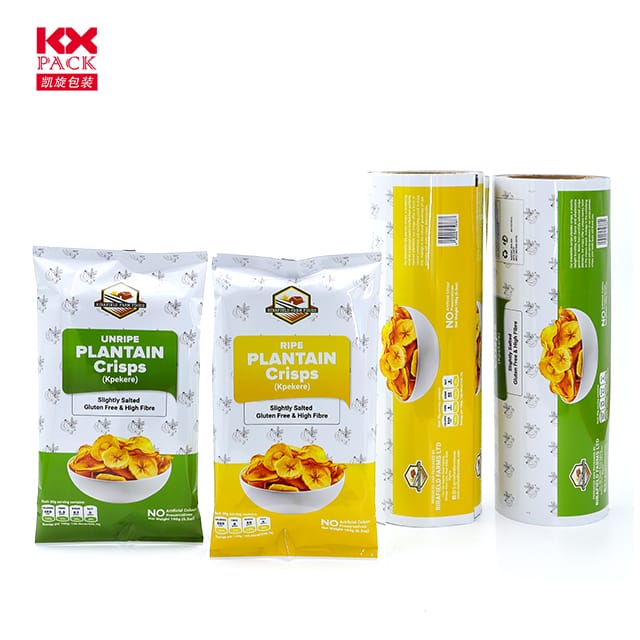
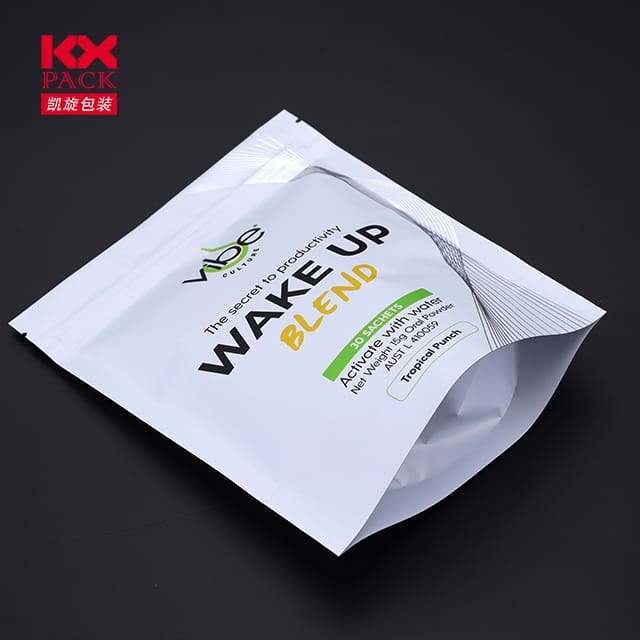
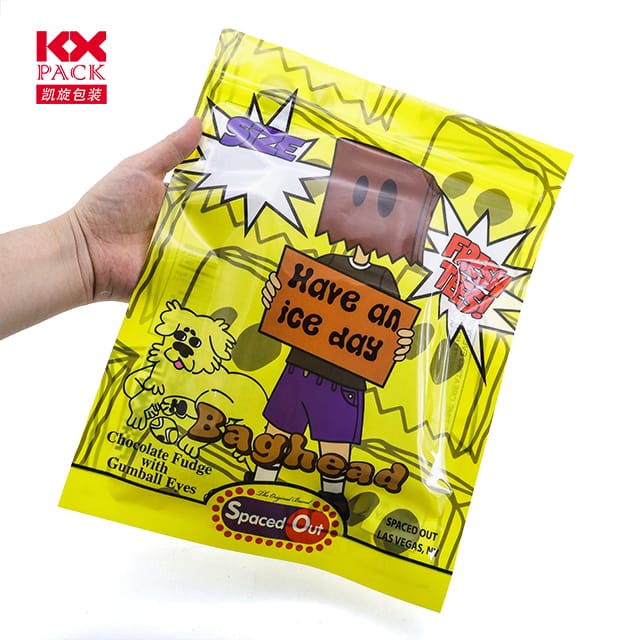
Trong khi màng bọc tiêu chuẩn là hoàn hảo để bảo quản ngắn hạn ở quy mô gia đình, ngành công nghiệp thực phẩm toàn cầu đòi hỏi thứ gì đó mạnh mẽ hơn nhiều. Nhập công nghiệp màng bao bì thực phẩm. Đây không phải là những gói hàng tạp hóa thông thường của bạn; họ có kỹ thuật cao, tuyệt tác công nghệ nhiều lớp được thiết kế để kéo dài thời hạn sử dụng từ vài ngày đến vài tháng.
1. Bao bì khí quyển sửa đổi (BẢN ĐỒ)
Bạn có bao giờ tự hỏi làm thế nào rau trộn salad đóng gói vẫn giữ được độ giòn hoàn hảo trong nhiều tuần không?? Bí mật nằm ở chuyên môn màng bao bì thực phẩm được sử dụng trong BẢN ĐỒ. Những màng này được thiết kế với tỷ lệ thấm khí cụ thể. Chúng cho phép cân bằng oxy chính xác, khí cacbonic, và nitơ tồn tại bên trong gói, thực hiện hiệu quả quá trình lão hóa của thực phẩm “đi ngủ.”
2. Phim có rào cản cao
Đối với các loại thịt, pho mát, và thực phẩm chế biến, độ ẩm và oxy là kẻ thù chung số một. Trình độ cao màng bao bì thực phẩm sử dụng nhiều lớp—thường kết hợp nylon, EVOH, và polyethylene—để tạo ra một rào cản không thể xuyên thủng. Điều này ngăn ngừa cháy tủ đông, khóa trong hương thơm, và loại bỏ nguy cơ lây nhiễm chéo trong quá trình vận chuyển.

Cuộc cách mạng xanh: Giải pháp đóng gói thân thiện với môi trường
Hãy nói chuyện với con voi trong phòng: chất thải nhựa. Sự phụ thuộc truyền thống vào nhựa sử dụng một lần màng bọc thực phẩm chắc chắn đã góp phần gây ra căng thẳng về môi trường. May mắn thay, ngành bao bì đang trải qua một quá trình chuyển đổi xanh lớn.
Người tiêu dùng ngày nay đang đòi hỏi sự bền vững, và các nhà sản xuất đang đẩy mạnh sản xuất những cải tiến mang tính đột phá:
- PLA (Axit polylactic) Phim: Có nguồn gốc từ các nguồn tài nguyên tái tạo như tinh bột ngô hoặc mía, những màng này hoàn toàn có thể phân hủy được trong điều kiện công nghiệp.
- Gói làm từ Cellulose: Được làm từ bột gỗ, những thứ này mang lại độ trong và đặc tính rào cản tuyệt vời đồng thời có khả năng phân hủy sinh học tự nhiên.
- Vật liệu đơn thể có thể tái chế: Theo truyền thống, màng nhiều lớp không thể tái chế được vì các lớp không thể tách rời. Kỹ thuật mới cho phép nhiều lớp màng bao bì thực phẩm được làm hoàn toàn từ cùng một họ polymer (giống như hoàn toàn bằng polyetylen), làm cho họ 100% có thể tái chế.
Lựa chọn các giải pháp thay thế thân thiện với môi trường không còn có nghĩa là hy sinh hiệu suất nữa. Những bộ phim dựa trên sinh học mới nhất mang lại sự hấp dẫn tương tự, sự rõ ràng, và sức mạnh như tổ tiên dựa trên dầu mỏ của họ.
Cách chọn phim phù hợp với nhu cầu của bạn
Với rất nhiều lựa chọn có sẵn trên thị trường, việc lựa chọn vật liệu thích hợp có thể cảm thấy choáng ngợp. Dưới đây là bảng phân tích nhanh để hướng dẫn quyết định của bạn:
| Ứng dụng | Vật liệu được đề xuất | Lợi ích chính |
| Thức ăn thừa hàng ngày & sử dụng trong nước | Polyetylen (Thể dục) màng bọc thực phẩm | An toàn, không có hóa chất, dễ sử dụng |
| Thịt tươi & gia cầm (Thuộc về thương mại) | Phim ép đùn PVC hoặc rào cản cao | Kiểm soát truyền oxy tuyệt vời, sự rõ ràng cao cấp |
| Thực phẩm đông lạnh | nhiều lớp màng bao bì thực phẩm (PET/PE) | Khả năng chống đâm thủng cao, ngăn ngừa cháy tủ đông |
| Thương hiệu có ý thức sinh thái | PLA có thể phân hủy hoặc PE đơn vật liệu | Giảm lượng khí thải carbon, kêu gọi người tiêu dùng xanh |
Thực hành tốt nhất để lưu trữ thực phẩm an toàn
Để tận dụng tối đa lợi ích của bạn màng bọc thực phẩm, hãy ghi nhớ những lời khuyên thiết thực này:
- Tránh nhiệt độ cao: Trừ khi một bộ phim được dán nhãn rõ ràng là “lò vi sóng an toàn,” tránh để nó chạm vào thực phẩm nhiều dầu mỡ hoặc nhiều đường trong khi hâm nóng, vì sức nóng dữ dội có thể làm cho màng tan chảy.
- Đảm bảo niêm phong chặt chẽ: Khi bọc thùng chứa, đảm bảo các cạnh khô. Vành xe khô cho phép màng bọc thực phẩm để tạo thành một liên kết kín khí thích hợp.
- Bảo quản đúng cách: Giữ cuộn phim chưa sử dụng của bạn ở nơi mát mẻ, nơi khô ráo, tránh ánh nắng trực tiếp để bảo quản chất lượng kết dính của chúng.
Suy nghĩ cuối cùng: Tương lai của bảo quản thực phẩm
Sự tiến hóa của màng bọc thực phẩm và thương mại màng bao bì thực phẩm chứng minh rằng chúng ta không phải lựa chọn giữa an toàn thực phẩm và trách nhiệm với môi trường. Khi công nghệ tiến lên phía trước, chúng ta có thể mong đợi những bao bì thông minh hơn nữa—những lớp màng thay đổi màu sắc khi thực phẩm bị hỏng, hoặc màng bọc ăn được làm từ protein rong biển.
Bằng cách hiểu rõ các vật liệu chúng ta sử dụng để bảo vệ thực phẩm, chúng ta có thể giảm lãng phí thực phẩm, tiết kiệm tiền, và đưa ra những lựa chọn đối xử tôn trọng với hành tinh của chúng ta.
Suy nghĩ của bạn về tương lai của bao bì bền vững? Bạn đã chuyển sang sử dụng màng bọc có thể phân hủy chưa? Hãy cho chúng tôi biết trong phần bình luận bên dưới!