Sự trỗi dậy của các nhà sản xuất màng bao bì linh hoạt: Tiên phong về tính bền vững và đổi mới trong bao bì hiện đại
Phim bao bì linh hoạt
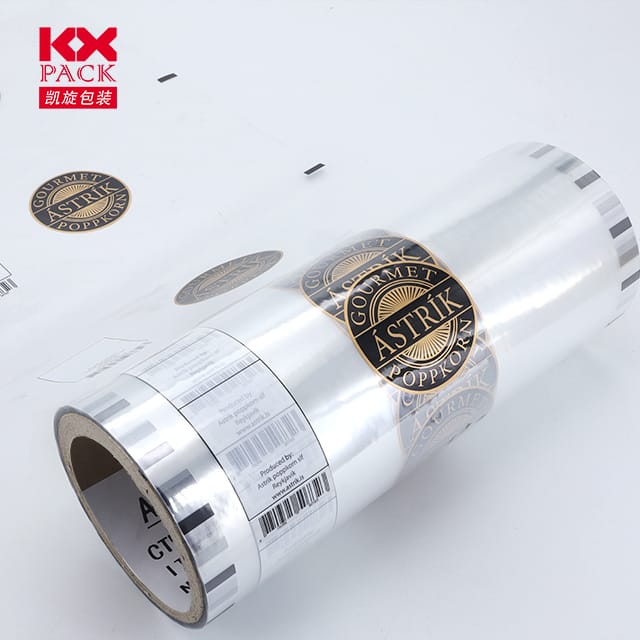
In an era where convenience, bền vững, và hiệu quả chi phí thúc đẩy nhu cầu của người tiêu dùng và công nghiệp, flexible packaging film manufacturers have emerged as key players in reshaping the global packaging landscape. Những công ty này chuyên sản xuất vật liệu nhẹ, vật liệu thích ứng để bảo vệ sản phẩm đồng thời giảm thiểu tác động đến môi trường. Từ thực phẩm và đồ uống đến dược phẩm và điện tử, flexible films are revolutionizing how goods are packaged, stored, and delivered. Hãy cùng khám phá xu hướng, thách thức, and innovations defining this dynamic industry.
Why Flexible Packaging? The Advantages Speak Volumes
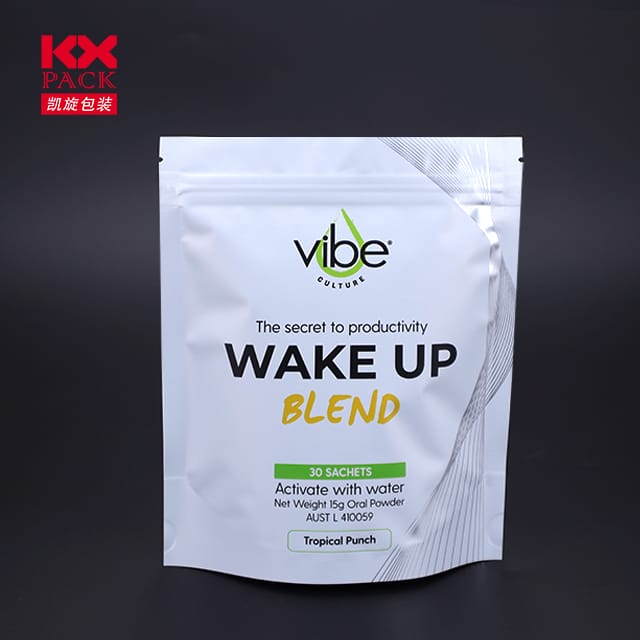
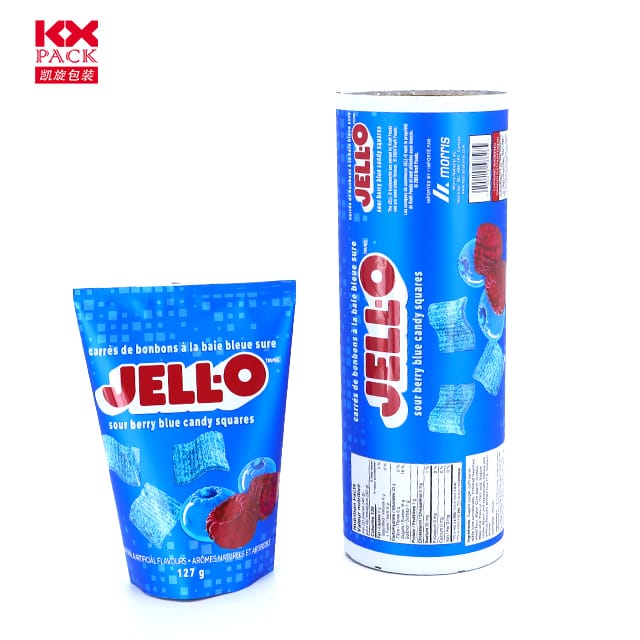
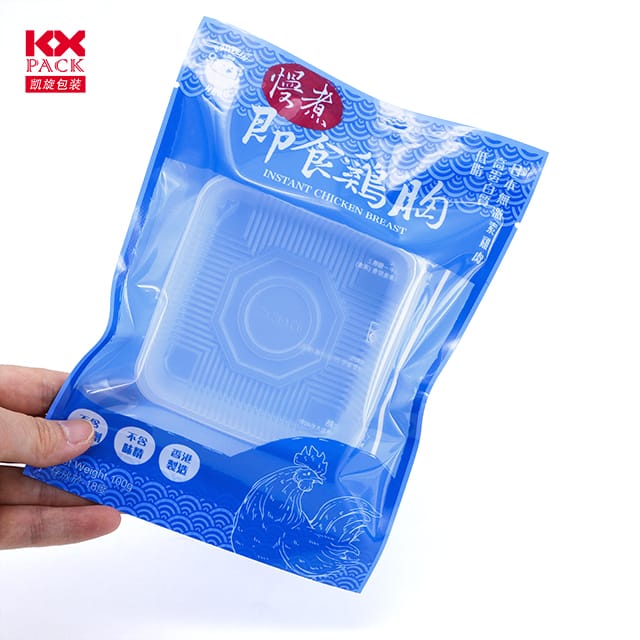
Flexible packaging films—made from materials like polyethylene (Thể dục), Polypropylen (PP), polyester (THÚ CƯNG), and biodegradable laminates—offer unmatched versatility. Khác với bao bì cứng nhắc (VÍ DỤ., thủy tinh hoặc kim loại), these films can be molded into pouches, túi, Kết thúc, or liners, adapting to products of all shapes and sizes. Key benefits include:
- Reduced Material Use: Lightweight films lower shipping costs and carbon footprints.
- Thời hạn sử dụng kéo dài: Advanced barrier properties protect against moisture, ôxy, và tia cực tím, bảo quản sự tươi mát.
- Tiện ích tiêu dùng: Resealable zippers, vòi phun, and easy-tear features enhance usability.
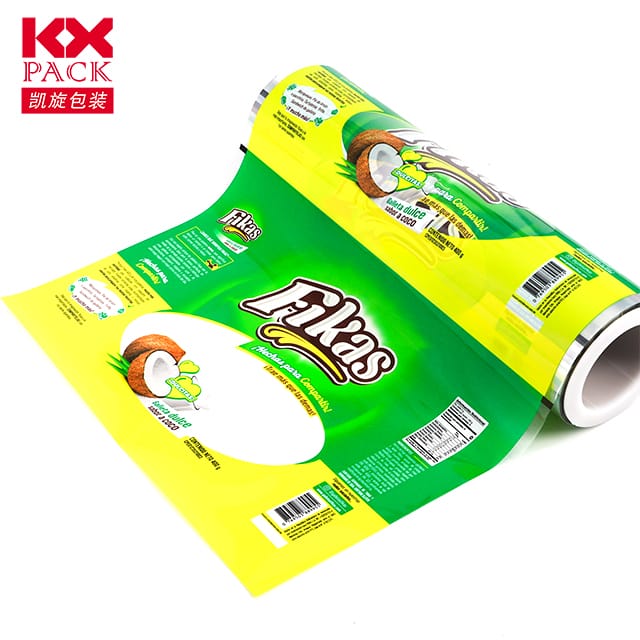
- Brand Visibility: High-quality printing options allow for vibrant, eye-catching designs.
Bền vững: The Core Challenge and Opportunity
As global awareness of plastic pollution grows, flexible packaging film manufacturers are under pressure to innovate. Traditional single-use plastics face backlash, but the industry is responding with eco-friendly solutions:
- Phim phân hủy sinh học và có thể phân hủy: Made from plant-based materials like polylactic acid (PLA), những màng này phân hủy một cách tự nhiên trong những điều kiện cụ thể.
- Recyclable Laminates: Multi-layer films are being redesigned for easier recycling, while chemical recycling technologies convert waste back into raw materials.
- Tái chế sau tiêu dùng (PCR) Nội dung: Manufacturers are incorporating recycled plastics into new films, reducing reliance on virgin materials.
Companies like Amcor, Bemis, and Sealed Air are leading the charge, setting ambitious goals to achieve 100% recyclable or reusable packaging by 2025–2030.
Technological Advancements Driving the Future
The flexible packaging sector is a hotbed of innovation, with manufacturers investing in:
- Bao bì thông minh: Films embedded with sensors or QR codes that track freshness, authenticate products, or engage consumers via apps.
- High-Barrier Films: Nanotechnology and advanced coatings enhance protection for sensitive goods like coffee, đồ ăn nhẹ, và vật tư y tế.
- In kỹ thuật số: On-demand, short-run printing reduces waste and enables hyper-personalized branding.
- Automated Production: AI-powered machinery optimizes material usage and speeds up manufacturing, meeting the demands of e-commerce and fast-moving consumer goods (FMCG).
Market Trends and Global Outlook
The global flexible packaging market is projected to reach$350 tỷ bởi 2030, được điều khiển bởi:
- Rising e-commerce sales: Demand for lightweight, durable shipping materials.
- Urbanization and busy lifestyles: Pre-portioned, on-the-go packaging solutions.
- Health and safety concerns: vệ sinh, tamper-evident films for pharmaceuticals and food delivery.
Asia-Pacific leads growth, with countries like China and India investing in flexible packaging infrastructure to serve their vast consumer bases. Trong khi đó, Europe and North America focus on regulatory compliance and circular economy initiatives.
Chọn đúng nhà sản xuất: Những cân nhắc chính
For brands seeking aflexible packaging film manufacturer, hợp tác với một nơi đáng tin cậy, innovative supplier is critical. tìm kiếm:
- Chứng chỉ: Tuân thủ FDA, EU, and other safety standards.
- Khả năng tùy chỉnh: Ability to tailor film thickness, barriers, and features to your product.
- Cam kết bền vững: Transparency in sourcing and waste reduction practices.
- Khả năng mở rộng: Flexibility to handle small batches or large-volume orders efficiently.
Suy nghĩ cuối cùng: Flexibility Meets Responsibility
The future of packaging is flexible—but it must also be responsible. As manufacturers continue to innovate, the focus remains on balancing performance, trị giá, and planetary health. By embracing circular economy principles and cutting-edge technology, flexible packaging film manufacturers are not just adapting to change; they’re driving it.
Is your brand ready to make the switch to smarter, greener packaging? Chia sẻ suy nghĩ hoặc câu hỏi của bạn trong phần bình luận bên dưới! 🌍📦