Hé lộ thế giới phim in kỹ thuật số: Ứng dụng, Những lợi ích, và Xu hướng
Phim in kỹ thuật số
In the fast-paced world of visual communication, digital printing film has emerged as a game-changer for businesses and creatives alike. Từ đồ họa mặt tiền cửa hàng bắt mắt đến nhãn sản phẩm bền, phương tiện linh hoạt này kết hợp công nghệ tiên tiến với tính thực tiễn. Hãy cùng tìm hiểu điều gì khiến phim in kỹ thuật số trở thành công cụ bắt buộc phải có trong thiết kế và tiếp thị hiện đại.
1. What is Digital Printing Film?
Digital printing film refers to thin, flexible plastic sheets (like PET, PVC, or polypropylene) coated with a printable surface. Unlike traditional inkjet papers, these films are designed to withstand outdoor elements, making them ideal for:
- Short-term promotions (VÍ DỤ., sale banners, event signage).
- Product labeling (không thấm nước, oil-resistant stickers).
- Decorative applications (window graphics, wall murals).
- Industrial uses (membrane switches, control panels).
The magic lies indigital printing technology, which allows for on-demand, high-resolution designs without the need for printing plates or lengthy setup times.
2. Key Advantages Over Traditional Methods
Why are brands ditching screen printing for digital film? Here’s why:
| Tính năng | Phim in kỹ thuật số | Traditional Methods |
|---|---|---|
| Turnaround Time | 24–48 hours (no drying time) | Weeks (plating, setup) |
| Hiệu quả chi phí | Affordable for small batches | High setup costs for low quantities |
| tùy biến | Full-color gradients, Ảnh, variable data | Limited color options, no complexity |
| Eco-Friendliness | Solvent-free inks, recyclable materials | Harsh chemicals, more waste |
3. Top Applications Across Industries
- Bán lẻ & Advertising: Vibrant window clings, floor graphics, and hanging banners.
- ô tô: Custom car wraps, decals, and protective films.
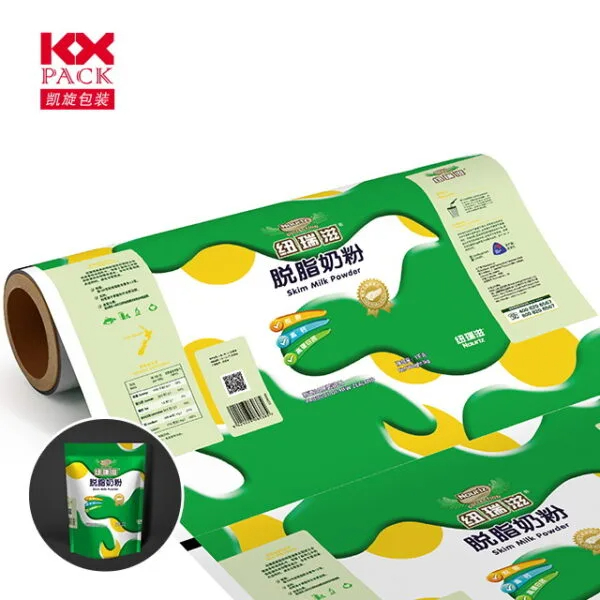
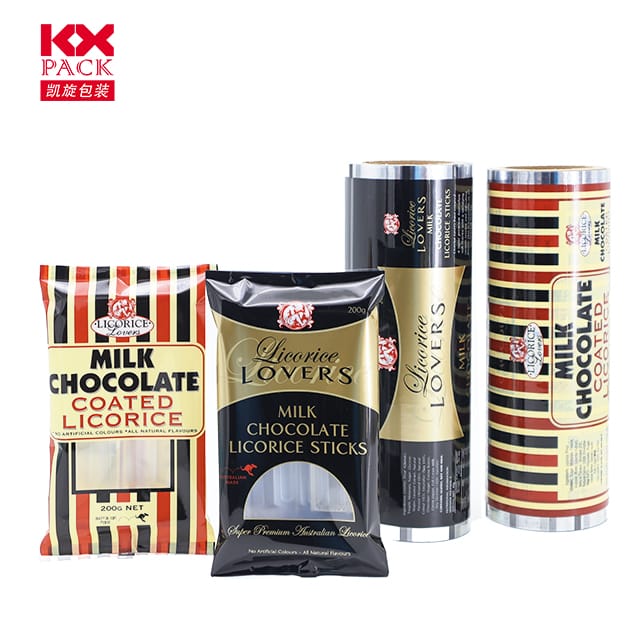
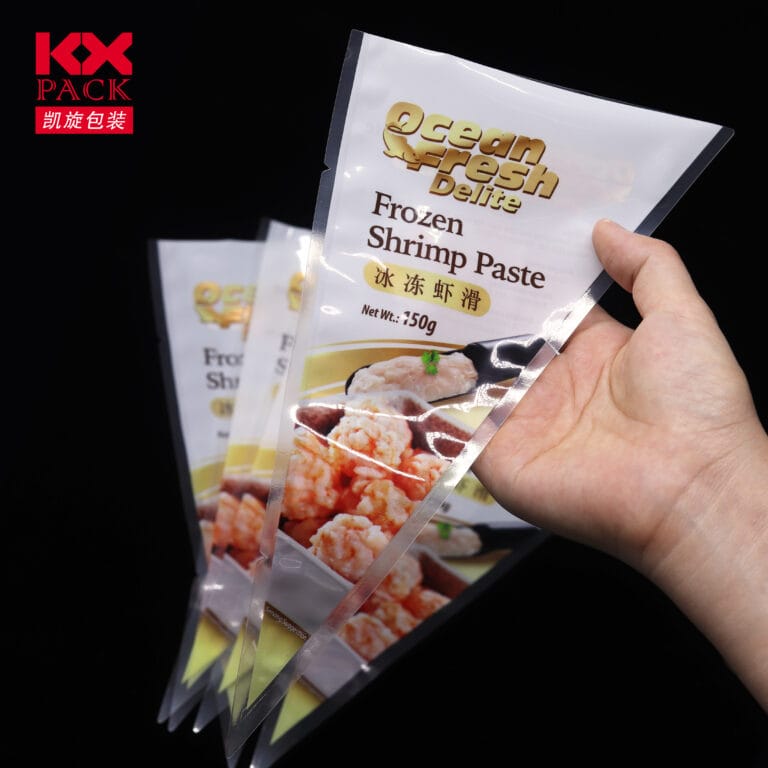
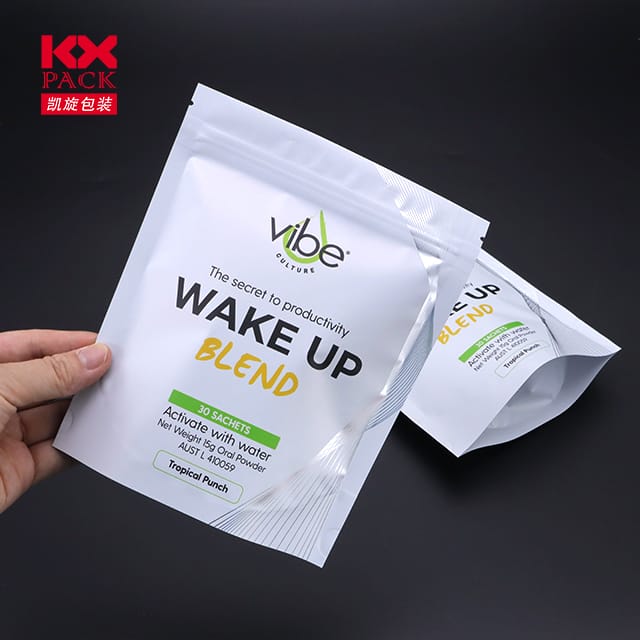
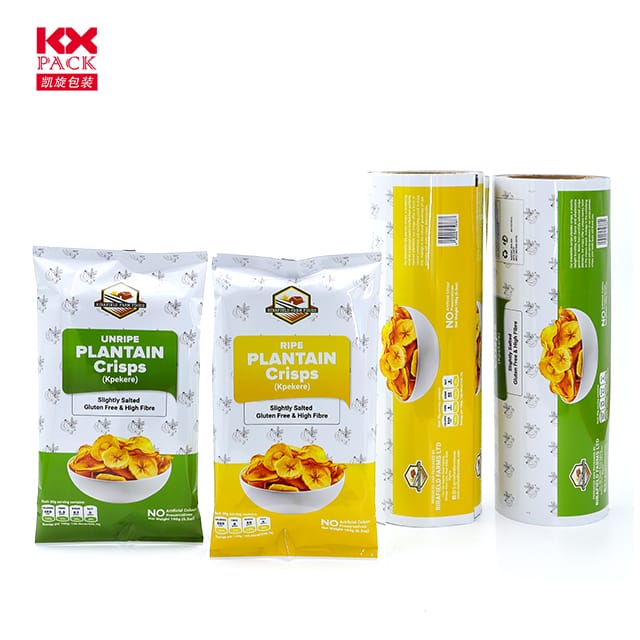
- Bao bì: Durable labels for food, mỹ phẩm, và điện tử.
- Architecture: Decorative wall films and privacy screens.
- Chăm sóc sức khỏe: Sterilizable labels for medical devices.
Nghiên cứu điển hình: A coffee chain used digital film to create seasonal window graphics, boosting foot traffic by 30% during holiday campaigns.
4. Choosing the Right Film Type
Không phải tất cả các bộ phim đều được tạo ra như nhau. Key factors to consider:
- Vật chất:
- THÚ CƯNG: Bóng, scratch-resistant (best for outdoor use).
- PVC: Linh hoạt, conformable (ideal for curved surfaces).
- Polypropylen: Matte finish, hiệu quả chi phí (indoor signage).
- Adhesive: Permanent, có thể tháo rời, or repositionable glue.
- Độ dày: 3–5 mil for stickers; 5–8 mil for durable outdoor signs.
- Hoàn thành: Gloss, mờ, or textured for tactile appeal.
5. Xu hướng tương lai cần theo dõi
- Bền vững: Biodegradable films and water-based inks.
- Phim thông minh: Interactive prints with QR codes or NFC tags.
- UV-Cured Printing: Instant curing for faster production.
- 3D Textures: Embossed effects mimicking leather or fabric.
Market Insight: The digital printing film market is projected to grow 6.8% annually through 2030, driven by eco-conscious branding and short-run customization needs.
6. Best Practices for Success
- Design for Bleed: Leave 1/8” extra space to avoid white edges after trimming.
- Test Samples: Order a small batch to check color accuracy and adhesion.
- Sự trói buộc: Add a matte/gloss overlay for extra UV protection.
- Work with Experts: Partner with a supplier offering color profiling and material certification.
Phần kết luận
Digital printing film isn’t just a material—it’s a bridge between creativity and practicality. Whether you’re a startup needing affordable signage or a Fortune 500 company revamping product labels, this technology delivers speed, linh hoạt, and stunning visuals.
Sẵn sàng chuyển đổi dự án tiếp theo của bạn? Explore the endless possibilities of digital printing film today! 🖨