Plastik o'rash filmi: Qulay qahramon va uning atrof-muhit dilemma
Plastik o'rash filmi
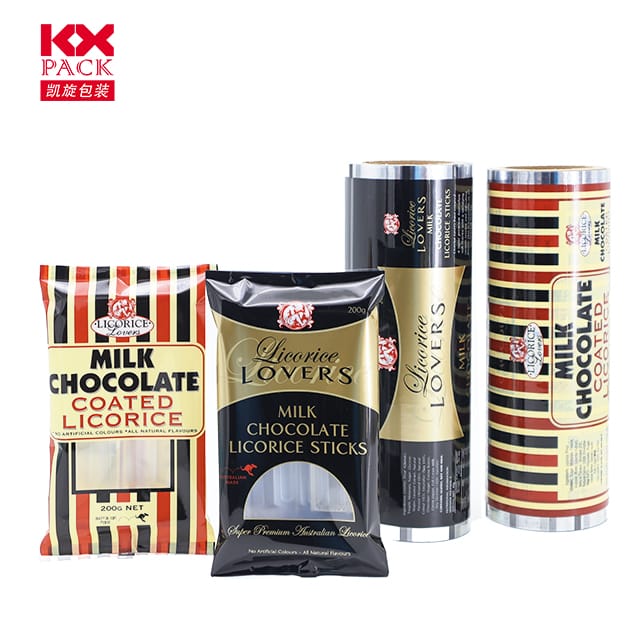
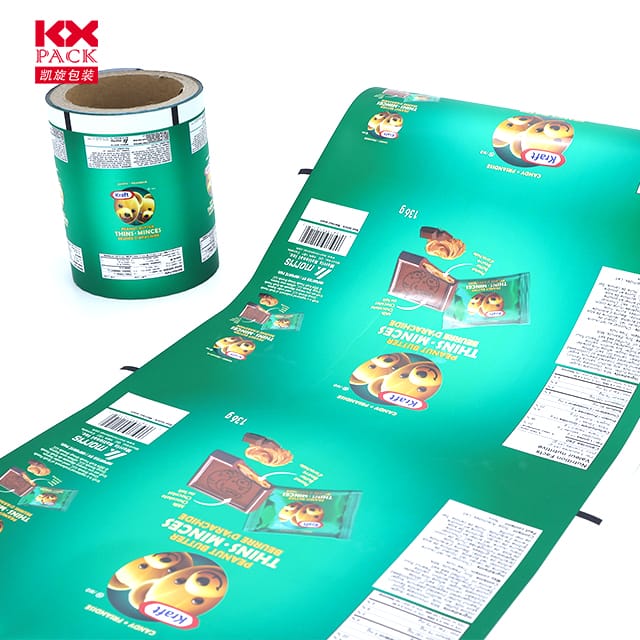
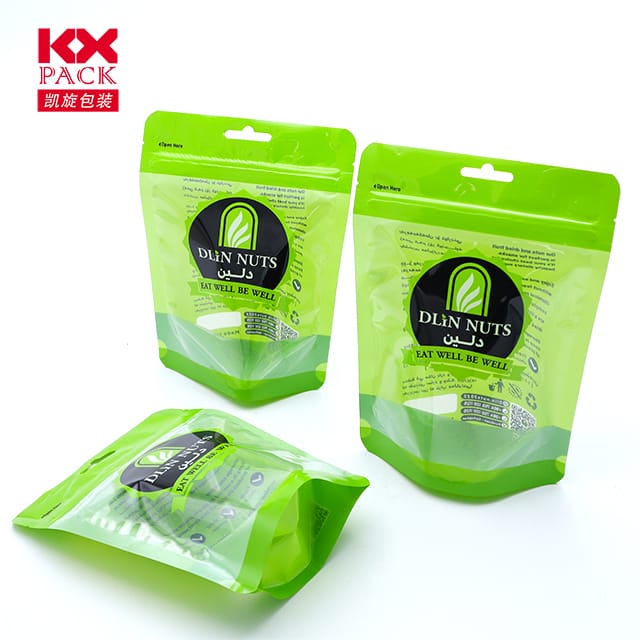
From wrapping leftovers to sealing pallets for shipment, Plastik o'rash filmi (ko'pincha yopishtirilgan plyonka deb nomlanadi, cho'zish o'rash, yoki Saran o'rash) Zamonaviy hayotda keng qamrovli vositadir. Uning shaffof, moslashuvchan, va yopishtiruvchi xususiyatlar uni oshxonalarda ajralmas holga keltiradi, omborxonalar, Dunyo bo'ylab supermarketlar. Ammo plastik ifloslanishning kuchayishi bilan bog'liq, this handy material faces scrutiny over its environmental impact. Let’s explore its role, Innovatsiyalar, and sustainable alternatives.
The Many Faces of Plastic Wrapping Film
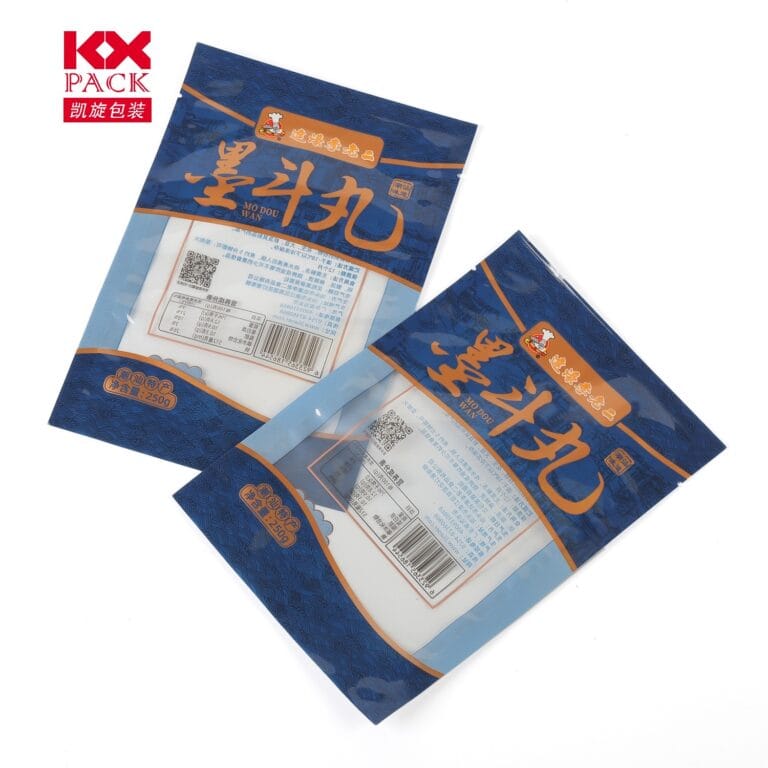
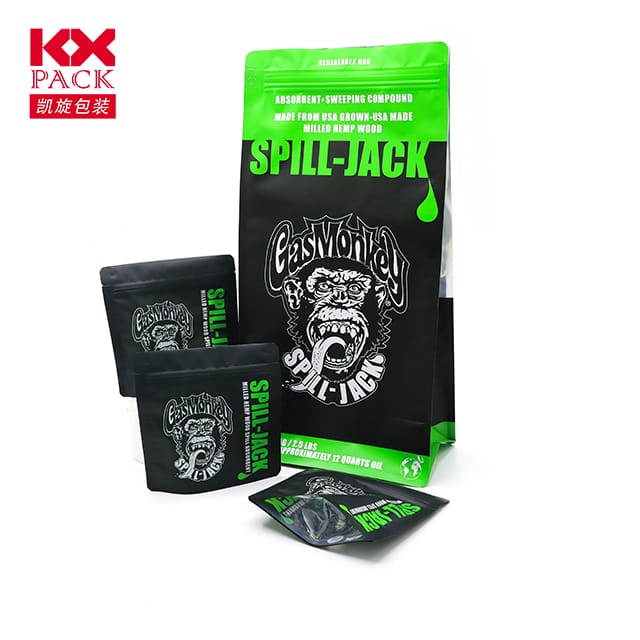
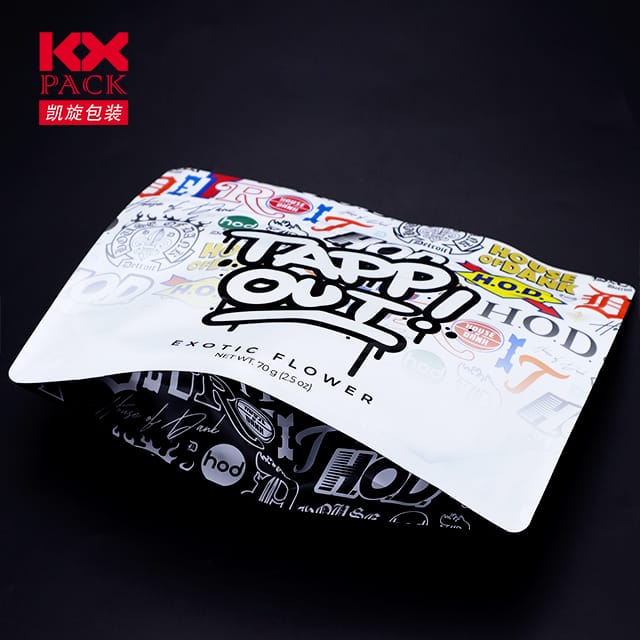
Plastic wrapping film comes in various forms, each tailored to specific needs:
- Food Wrap: Made from polyethylene (PE) yoki polivinliden xlorid (Pvdc), bu ingichka, stretchy film clings to surfaces, preserving freshness and preventing spills.
- Stretch Wrap: Used in logistics, this thicker, more elastic film secures boxes on pallets during transportation, protecting goods from damage and tampering.
- Shrink Wrap: Heated to shrink tightly around products, this film is popular for packaging bottles, qutilar, and even electronics.
Its versatility stems from its chemistry: most films are derived from petroleum-based polymers, which are lightweight, suv o'tkazmaydigan; suvga chidamli, and cost-effective to produce.
Nega Biz uni sevamiz: The Benefits of Plastic Wrap
- Oziq-ovqat mahsulotlarini saqlash: By creating an airtight seal, plastic film extends the shelf life of perishables, reducing food waste—a critical issue given that 1.3 billion tons of food are discarded globally each year.
- Hygiene and Safety: In hospitals and restaurants, sterile plastic wraps protect medical equipment and ready-to-eat meals from contamination.
- Logistics Efficiency: Stretch wrap keeps pallets stable during transit, minimizing product damage and ensuring safe delivery.
- Xarajat samaradorligi: At just a few cents per meter, plastic film is cheaper than reusable alternatives like glass or silicone containers for short-term storage.
The Dark Side: Atrof-muhitga bog'liq
Uning afzalliklariga qaramay, plastic wrapping film poses significant ecological challenges:
- Yakkalik ustunlik: Most food wrap is designed for one-time use, contributing to the 380 million tons of plastic waste generated annually.
- Biologik bo'lmagan: Traditional plastic films persist in landfills for centuries, breaking into microplastics that contaminate soil and waterways.
- Recycling Barriers: Thin and often contaminated with food residue, plastic wrap is rarely accepted by recycling programs. Less than 10% of all plastic waste is recycled globally.
- Wildlife Threat: Marine animals mistake plastic film for food, leading to ingestion, suffocation, or starvation.
Innovations and Alternatives: Toward a Greener Future
The tide is turning, with researchers and companies developing eco-friendlier solutions:
- Biologik parchalanadigan filmlar: Makkajx yoki kassa kabi o'simliklarga asoslangan materiallardan qilingan, these films break down naturally in composting facilities. Kabi markalar Biobag va Tur offer certified compostable wraps for food and packaging.
- Ovqatlanadigan qoplamalar: Scientists are experimenting with edible films made from seaweed, kraxmal, yoki oqsillar. These coatings can be consumed along with the food, Chiqindilarni butunlay yo'q qilish.
- Qayta ishlatiladigan tizimlar: Silikon oziq-ovqat qoplamalari, asal mumi o'ramlari, and glass containers are gaining popularity as durable alternatives to single-use plastic.
- Recycling Advances: Kompaniyalar Dow va BASF are developing technologies to recycle mixed plastic films into new products, though scalability remains a challenge.
Consumer Tips: Reducing Plastic Wrap Waste
While systemic changes are crucial, individuals can also make a difference:
- Qayta foydalanish mumkin bo'lgan narsalarni tanlang: Invest in silicone stretch lids, asal mumi o'ramlari, or airtight containers for food storage.
- To'g'ri qayta ishlash: Check local guidelines—some supermarkets accept clean plastic film for recycling.
- Choose Biodegradable Options: Look for products labeled “compostable” or “home-compostable.”
- Ommaviy ravishda sotib oling: Reduce packaging waste by purchasing larger quantities of dry goods and storing them in reusable jars.
Xulosa: Balancing Convenience and Sustainability
Plastic wrapping film exemplifies the double-edged sword of modern convenience: it solves immediate problems but creates long-term environmental risks. While innovations in biodegradable materials and recycling offer hope, the transition to sustainable alternatives requires collective action—from manufacturers redesigning products to consumers rethinking habits.
The next time you reach for plastic wrap, ask yourself: Is there a greener way to achieve the same goal? Small changes, multiplied by millions, can drive a plastic-free revolution.
What’s your favorite eco-friendly alternative to plastic wrapping film? Share your ideas in the comments below! 🌍💚