Plastik qadoqlash filmlarining evolyutsiyasi va ta'siri: Funktsionallik va barqarorlikni muvozanatlash
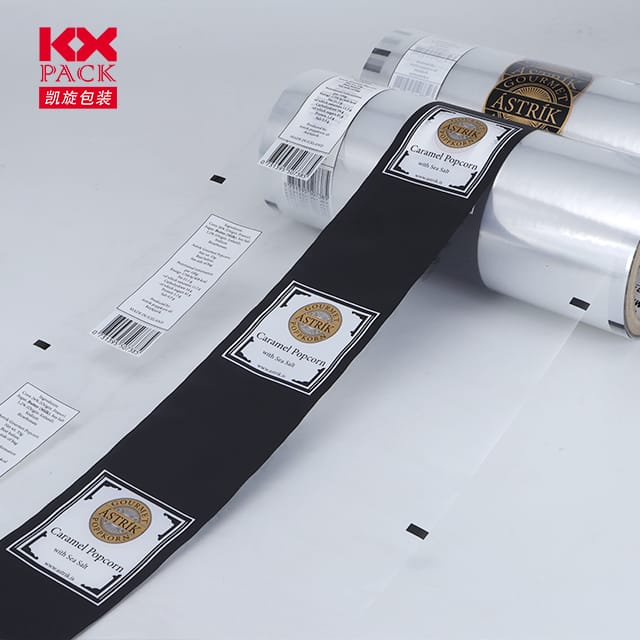
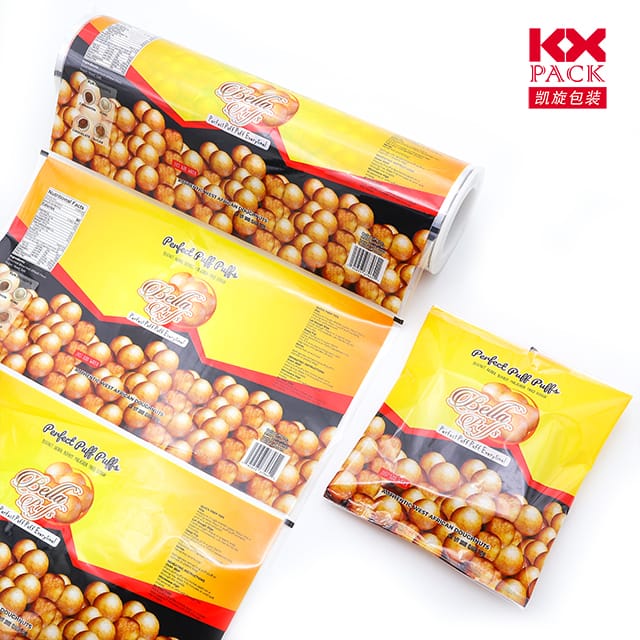
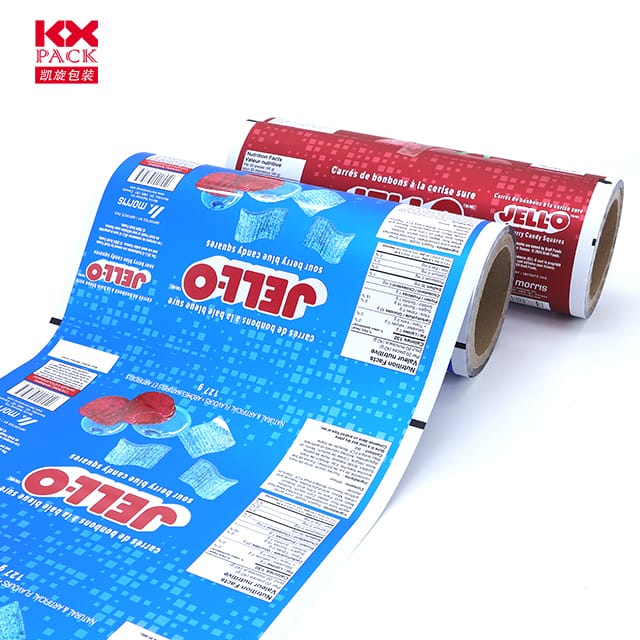
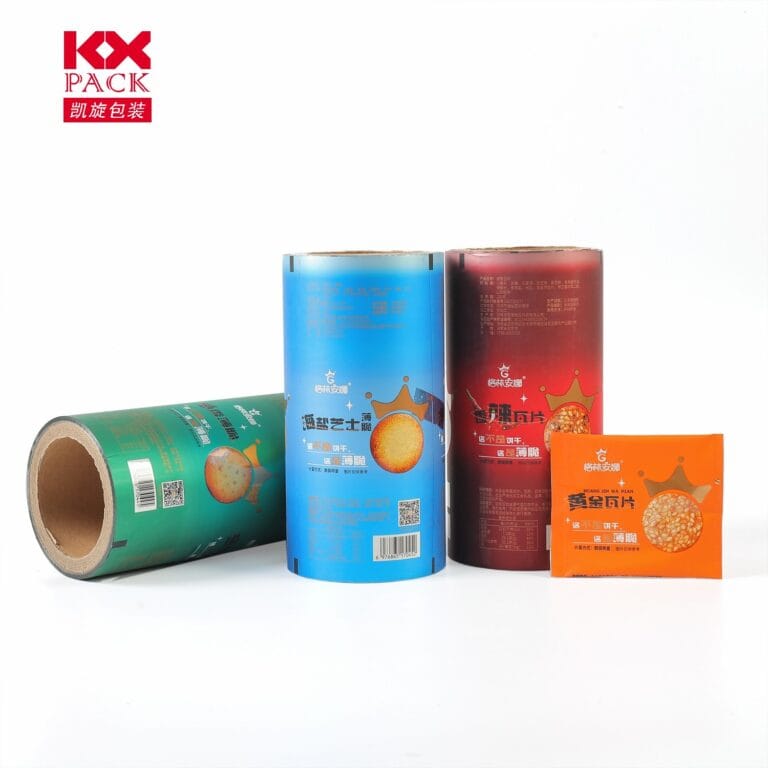
Plastik qadoqlash plyonkalari
In today’s fast-paced consumer landscape, plastic packaging films have become ubiquitous, yangi mahsulotlardan tortib elektronikagacha hamma narsani jimgina himoya qiladi. Bu ko'p qirrali materiallar, engil chidamliligi bilan mashhur, namlik qarshiligi, va xarajatlarning samaradorligi, mahsulotlar iste'molchilarga qanday etib borishini inqilob qildi. Hali, ularning ekologik izlari qizg'in bahs-munozaralarga sabab bo'ldi. Let’s unpack the world of plastic packaging films—exploring their benefits, Qiyinchiliklar, and the innovative strides toward a greener future.
1. The Workhorses of Modern Packaging
Plastic packaging films, shu jumladan polietilen (PE), polipropilen (PP), va polyester (UY HAYVONI), are engineered to meet diverse needs.
- Oziq-ovqat mahsulotlarini saqlash: Films like BOPP (Biago yo'naltirilgan polipropilen) are staples in snack packaging, offering transparency, Namlik to'siqlari, and printability. Masalan; misol uchun, potato chip bags rely on multi-layered films to maintain crispness and shelf life.
- Agricultural Applications: Ldpe (Low-Density Polyethylene) films shield crops from pests and weather, extending growing seasons and reducing food waste before harvest.
- Industrial and Medical Uses: Stretch films secure pallets during transit, while sterilized medical-grade films protect surgical instruments.
Their adaptability across industries underscores their indispensability—but at what cost?
2. The Environmental Paradox
While plastic films excel in performance, their drawbacks are hard to ignore:
- Bir-biridan foydalanish chiqindilari: Hayratlanarli 36% of all plastic produced globally is used in packaging, much of it discarded after a single use. Films like cling wrap or shopping bags often end up in landfills or oceans, taking centuries to decompose.
- Qayta ishlashda shoshilinch to'siqlar: Many films are challenging to recycle due to contamination, multi-layer compositions, or lack of infrastructure. Masalan, composite films used in coffee packaging (E.G., foil-lined pouches) are rarely accepted in curbside programs.
- Mikoplastik ifloslanish: Degraded films fragment into microplastics, infiltrating ecosystems and even human food chains.
3. Innovatsiyalar Haydovchi barqarorlik
The packaging industry is racing to address these challenges with cutting-edge solutions:
- Biodegorda va kompostsion plyonkalar: Kompaniyalar TIPA Corp va Novamont are pioneering compostable films made from plant-based materials (E.G., corn starch or algae). These break down in industrial composting facilities within weeks, offering a viable alternative to traditional plastics.
- Recyclable Mono-Material Films: Brands are shifting to single-polymer films (E.G., 100% PE or PP) to improve recyclability. Masalan, ProAmpac’s ProActive Recyclable films are designed for easy sorting and reprocessing.
- Chemical Recycling Breakthroughs: Advanced recycling technologies, such as pyrolysis, convert mixed plastic waste into fuels or raw materials for new films, closing the loop on circularity.
- Barrier Coatings from Nature: Innovators are using chitosan (from crustacean shells) yoki cellulose nanofibers to create biodegradable barriers, reducing reliance on fossil-fuel-based chemicals.
4. Consumer and Corporate Responsibility
The transition to sustainable packaging isn’t just a manufacturer’s job—consumers and policymakers play pivotal roles:
- Educating Shoppers: Clear labeling (E.G., “Home Compostable” vs. “Recyclable”) and awareness campaigns can reduce contamination in recycling streams.
- Corporate Commitments: Giants like Unilever va Nestlé have pledged to slash virgin plastic use and invest in recyclable/compostable packaging by 2025.
- Policy Levers: Kengaytirilgan prodyuser javobgarlik (Epchil) Evropa Ittifoqi va U.S.. hold brands accountable for waste, incentivizing eco-design.
5. Oldin yo'l: A Hybrid Approach
While no single solution will solve the plastic crisis, a hybrid approach shows promise:
- Qayta ishlatiladigan tizimlar: Refill stations and returnable packaging (E.G., Loop’s durable containers) minimize single-use waste.
- Smart filmlar: Temperature-sensitive or RFID-tagged films could optimize supply chains, reducing over-packaging.
- Global Collaboration: Cross-industry partnerships (E.G., bu Ellen MacArthur Foundation’s New Plastics Economy) are accelerating innovation and standardization.
Xulosa: Rethinking the Role of Plastic Films
Plastic packaging films are here to stay—but their future must be redefined. By prioritizingrecyclability, compostability, and reduced material use, the industry can curb its environmental impact without sacrificing functionality.
Iste'molchi sifatida, we hold power too: Choose brands committed to sustainability, recycle diligently, and advocate for systemic change. Hammasidan keyin; axiyri, the films that wrap our daily lives should protect both our products and our planet.
What’s your take on plastic packaging films? Share your thoughts or tips for sustainable swaps below! 🌍🛍️♻️
Kalit so'zlar: plastic packaging films, barqarorlik, Biologik parchalanishi, qayta ishlash, dumaloq iqtisodiyot, oziq-ovqat qadoqlash, Atrof-muhitga ta'sir.