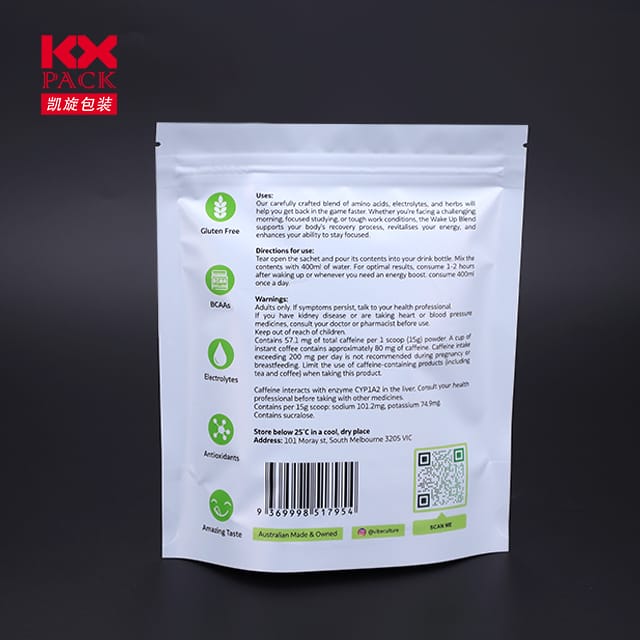
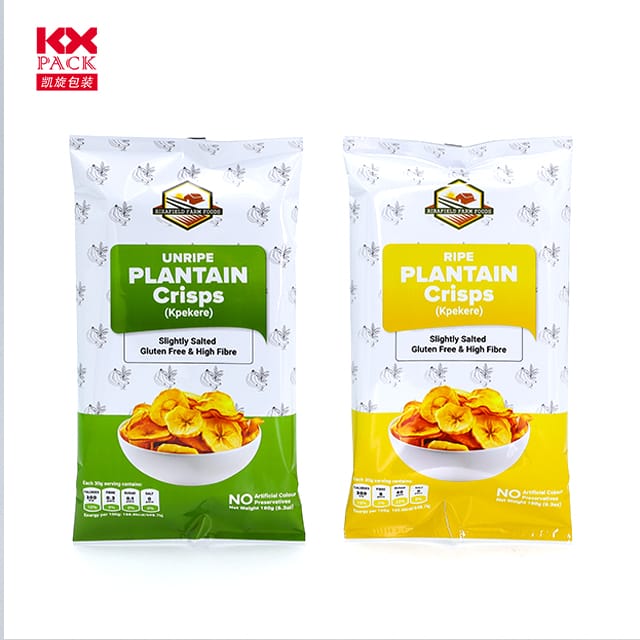
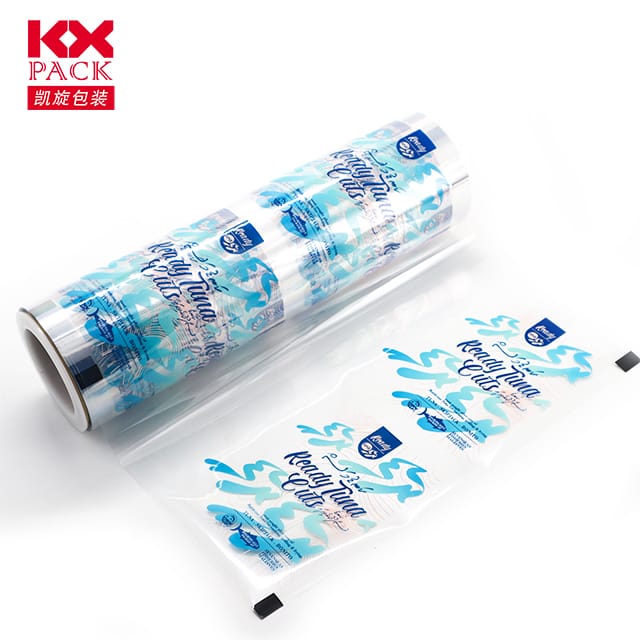
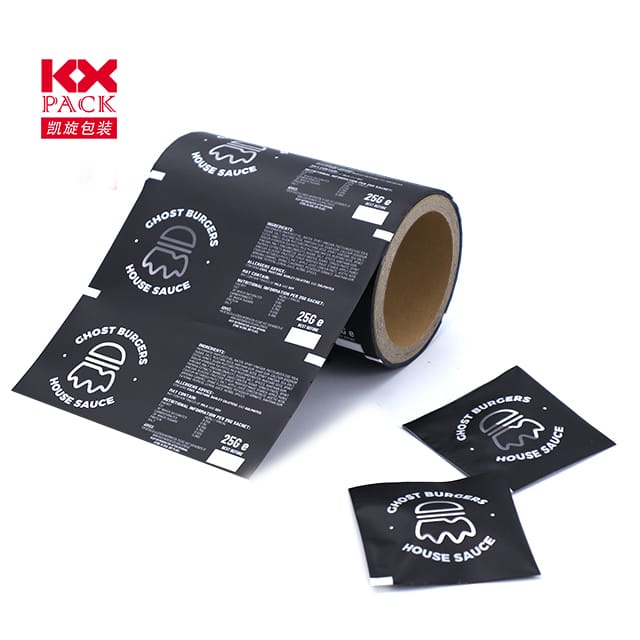
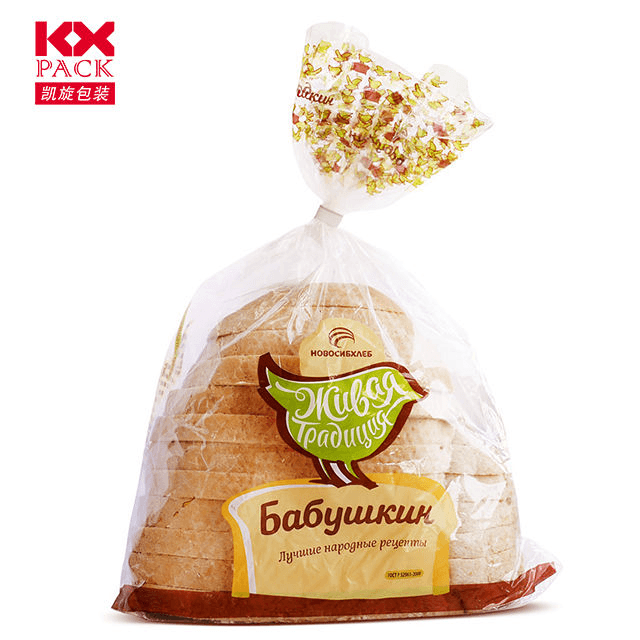
Oziq-ovqat plyonkalari va oziq-ovqat mahsulotlarini qadoqlash filmlari: Tazelik uchun yakuniy qo'llanma, Xavfsizlik, va Barqarorlik
Lazzatni saqlab qolish haqida gap ketganda, to'qima, va sevimli taomlaringizning ozuqaviy qiymati, oshxonalarimiz va ta'minot zanjirlarimizning nomsiz qahramonlari oziq-ovqat plyonkasi va oziq-ovqat qadoqlash filmlari. Kechagi lazanya qurib ketmasligi uchun siz uy oshpazi bo'lasizmi, yoki tijorat oziq-ovqat ishlab chiqaruvchisi butun mamlakat bo'ylab nozik mahsulotlarni jo'natadi, to'g'ri materialni tanlash muhim ahamiyatga ega.
Lekin halol bo'laylik: moslashuvchan qadoqlash dunyosi nihoyatda chalkash bo'lishi mumkin. PVX kabi shartlar bilan, PE, To'siq xususiyatlari, va atrofga tashlangan biologik parchalanish, aslida nima ishlayotganini qanday bilasiz?
Ushbu keng qamrovli qo'llanmada, haqida bilishingiz kerak bo'lgan hamma narsani ochamiz oziq-ovqat plyonkasi echimlar, so'nggi yangiliklarni o'rganing oziq-ovqat qadoqlash filmlari, va sizga ma'lumot berishga yordam beradi, eko-ongli tanlovlar.
Nima uchun oziq-ovqat plyonkasi oshxona uchun zarurdir
Biz hammamiz u erda bo'lganmiz - yarim yeyilgan avakadoga qaradik, uning jigarrangga aylanishini qanday to'xtatish kerakligi haqida o'ylash, yoqimsiz mush. Bu erda yuqori sifatli oziq-ovqat plyonkasi qadamlar.
Uning yadroda, yopishtiruvchi o'ram ikkita narsani juda yaxshi bajarish uchun yaratilgan: sirtlarga yopishib, kislorodni to'sib qo'ying.
Stretch haqidagi fan
Tarixiy jihatdan, polivinilxlorid (PVX) Ajablanarli darajada cho'zilishi va yuqori yopishqoqligi tufayli maishiy yopishtiruvchi o'ram uchun asosiy material edi.. Biroq, sog'liq va atrof-muhit muammolari rivojlanib bordi, sanoat sezilarli darajada polietilenga o'tdi (PE).
Zamonaviy PE oziq-ovqat plyonkasi toksik bo'lmagan taklif qiladi, Oziq-ovqatingizdagi zararli kimyoviy moddalarni yuvmasdan namlikni xavfsiz saqlaydigan BPAsiz alternativ.. Bu qattiqlikni hosil qiladi, oksidlanish jarayonini keskin sekinlashtiradigan mikro-muhit, mevalaringizni saqlash, sabzavotlar, va oqsillar uzoqroq kun davomida yangi.
O'yinni oshirish: Tijorat oziq-ovqat qadoqlash filmlari
Standart yopishtiruvchi o'ram mahalliy miqyosda qisqa muddatli saqlash uchun juda mos keladi, global oziq-ovqat sanoati ancha kuchliroq narsani talab qiladi. Sanoatga kiring oziq-ovqat qadoqlash filmlari. Bu sizning o'rtacha oziq-ovqat do'koningiz o'ramlari emas; ular yuqori darajada ishlab chiqilgan, saqlash muddatini kundan oygacha uzaytirish uchun mo'ljallangan ko'p qatlamli texnologik mo''jizalar.
1. O'zgartirilgan atmosfera qadoqlash (MAP)
Siz hech o'ylab ko'rganmisiz, qanday qilib qoplarga solingan ko'katlar bir necha hafta davomida tiniq bo'lib qoladi? Buning siri ixtisoslashganda oziq-ovqat qadoqlash filmlari MAP da ishlatiladi. Ushbu plyonkalar o'ziga xos gaz o'tkazuvchanlik stavkalari bilan ishlab chiqilgan. Ular kislorodning aniq muvozanatini ta'minlaydi, karbonat angidrid, va azot paket ichida mavjud bo'lishi kerak, oziq-ovqatning qarish jarayonini samarali qo'yish “uxlash.”
2. Yuqori to'siqli filmlar
Go'sht uchun, pishloqlar, va qayta ishlangan ovqatlar, namlik va kislorod birinchi raqamli xalq dushmanidir. Rivojlangan oziq-ovqat qadoqlash filmlari bir nechta qatlamlardan foydalaning - ko'pincha neylonni birlashtiradi, EVOH, va polietilen - o'tib bo'lmaydigan to'siq yaratish. Bu muzlatgichning yonishini oldini oladi, aromada qulflanadi, va tranzit paytida o'zaro kontaminatsiya xavfini yo'q qiladi.

Yashil inqilob: Ekologik toza qadoqlash yechimlari
Keling, xonadagi filga murojaat qilaylik: plastik chiqindilar. Bir marta ishlatiladigan plastmassaga an'anaviy ishonish oziq-ovqat plyonkasi shubhasiz, atrof-muhitning keskinlashuviga hissa qo'shgan. Xayriyat, qadoqlash sanoati katta yashil o'zgarishlarni boshdan kechirmoqda.
Bugungi kunda iste'molchilar barqarorlikni talab qilmoqdalar, va ishlab chiqaruvchilar innovatsiyalar bilan plastinkaga qadam qo'ymoqda:
- PLA (Polikaktik kislota) Filmlar: Makkajo'xori kraxmal yoki shakarqamish kabi qayta tiklanadigan manbalardan olingan, bu filmlar sanoat sharoitida to'liq kompostlanadi.
- Tsellyuloza asosidagi o'ramlar: Yog'och xamiridan tayyorlangan, ular tabiiy ravishda biologik parchalanadigan bo'lgan holda mukammal aniqlik va to'siq xususiyatlarini ta'minlaydi.
- Qayta ishlanadigan monomeriallar: An'anaviy tarzda, ko'p qatlamli plyonkalarni qayta ishlash mumkin emas edi, chunki qatlamlarni ajratib bo'lmaydi. Yangi muhandislik ko'p qatlamli bo'lishga imkon beradi oziq-ovqat qadoqlash filmlari butunlay bir xil polimerlar oilasidan qilingan (butunlay polietilen kabi), ularni qilish 100% qayta ishlanadigan.
Ekologik toza muqobillarni tanlash endi ishlashdan voz kechishni anglatmaydi. Oxirgi bio-asoslangan filmlar bir xil yopishishni taklif qiladi, aniqlik, va ularning neftga asoslangan ajdodlari sifatida kuch.
Ehtiyojlaringiz uchun to'g'ri filmni qanday tanlash mumkin
Bozorda juda ko'p variantlar mavjud, tegishli materialni tanlash juda qiyin bo'lishi mumkin. Bu erda qaroringizni boshqarish uchun qisqacha tavsif:
| Ariza | Tavsiya etilgan material | Asosiy foyda |
| Kundalik qoldiqlar & Maishiy foydalanish | Polietilen (PE) oziq-ovqat plyonkasi | Xavfsiz, kimyoviy moddalarsiz, Foydalanish oson |
| Yangi go'sht & Parrandachilik (Tijorat) | PVX yoki yuqori to'siqli qo'shma ekstrudirovka qilingan plyonka | Kislorod uzatishni mukammal boshqarish, yuqori aniqlik |
| Muzlatilgan ovqatlar | Laminatsiyalangan oziq-ovqat qadoqlash filmlari (Uy hayvonlari / pe) | Yuqori teshilish qarshiligi, muzlatgichda kuyishning oldini oladi |
| Eko-ongli brendlar | Kompostlanadigan PLA yoki Monomaterial PE | Uglerod izlarini kamaytiradi, yashil iste'molchilarga murojaat qiladi |
Oziq-ovqat mahsulotlarini xavfsiz saqlash bo'yicha eng yaxshi amaliyotlar
Mutlaq maksimal foyda olish uchun oziq-ovqat plyonkasi, ushbu amaliy maslahatlarni yodda tuting:
- Yuqori issiqlikdan saqlaning: Agar film aniq belgilanmagan bo'lsa “mikroto'lqinli pech uchun xavfsiz,” isitish vaqtida yog'li yoki yuqori shakarli ovqatlarga tegishiga yo'l qo'ymang, chunki kuchli issiqlik filmning erishiga olib kelishi mumkin.
- Qattiq muhrlanganligiga ishonch hosil qiling: Konteynerlarni o'rashda, qirralarning quruqligiga ishonch hosil qiling. Quruq jant bunga imkon beradi oziq-ovqat plyonkasi to'g'ri havo o'tkazmaydigan birikma hosil qilish uchun.
- To'g'ri saqlang: Foydalanilmayotgan plyonkalarni salqin joyda saqlang, ularning yopishqoq xususiyatlarini saqlab qolish uchun to'g'ridan-to'g'ri quyosh nurlaridan uzoqda quruq joyda.
Yakuniy fikrlar: Oziq-ovqat mahsulotlarini saqlashning kelajagi
ning evolyutsiyasi oziq-ovqat plyonkasi va tijorat oziq-ovqat qadoqlash filmlari oziq-ovqat xavfsizligi va ekologik javobgarlik o'rtasida tanlov qilishimiz shart emasligini isbotlaydi. Texnologiya oldinga siljish kabi, Biz bundan ham aqlliroq qadoqlash - oziq-ovqat buzilganda rangini o'zgartiradigan filmlarni kutishimiz mumkin, yoki dengiz o'tlari oqsillaridan tayyorlangan qutulish mumkin bo'lgan o'ramlar.
Oziq-ovqatimizni himoya qilish uchun foydalanadigan materiallarni tushunish orqali, oziq-ovqat chiqindilarini kamaytirishimiz mumkin, pulni tejash, va sayyoramizga hurmat bilan munosabatda bo'ladigan tanlovlar qiling.
Barqaror qadoqlash kelajagi haqida qanday fikrdasiz?? Siz hali kompostlanadigan o'ramlarga o'tdingizmi?? Quyidagi izohlarda bizga xabar bering!